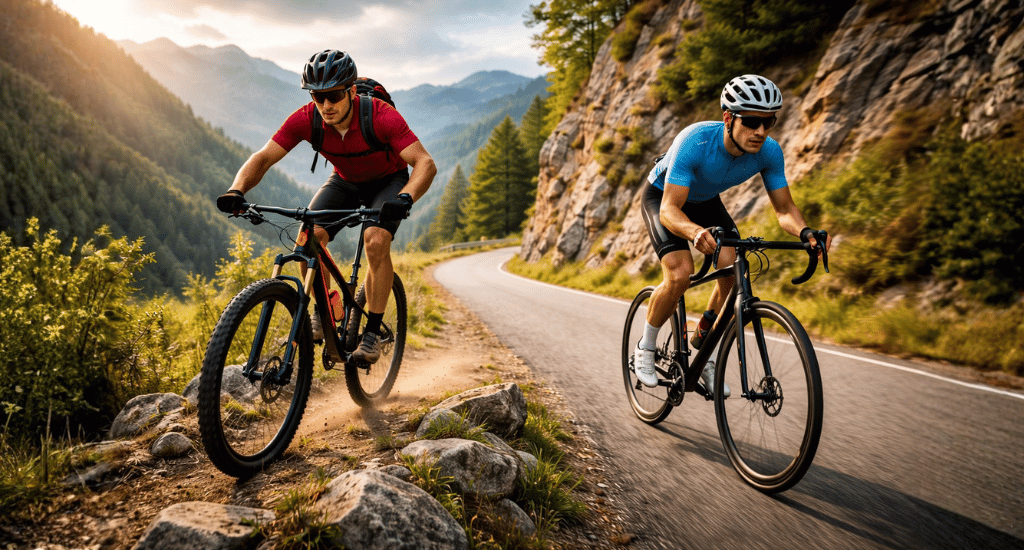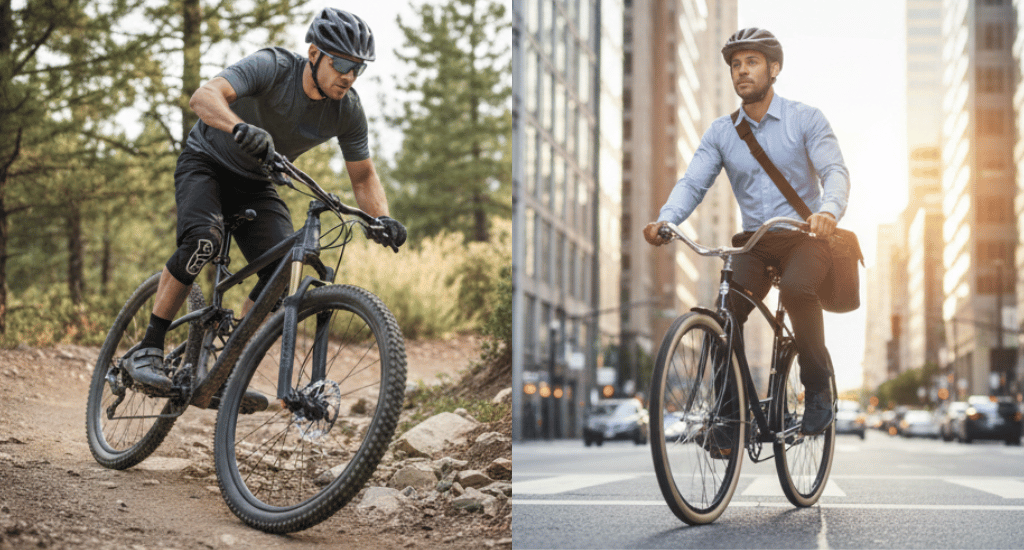
Quiet roads and wild trails demand two very different bikes. Here, Cruiser Bike vs Mountain Bike sits at the center of that choice for riders who care about the real ride feel.
A cruiser gives soft seats and tall bars for calm trips. A mountain bike gives wide tires and firm brakes for full control on dirt, rocks, and steep paths.
Read this guide to learn terrain, comfort, speed, exercise, bike use, and ride joy so your next bike fits daily trips, hard trails, and your true rider style.
Cruiser Bike vs Mountain Bike: The Core Differences
These two bikes follow very different build rules. Each part of the frame, tires, and gears fits a clear road type. One bike stays calm on smooth streets, while the other stays firm on rough ground.

Before exploring the detailed info on these two bike differences, check out this clear and clean comparison table in simple pro-cyclist style:
|
Feature |
Cruiser Bike |
Mountain Bike |
| Main use | Flat roads, beach paths, boardwalks, and slow city rides | Dirt trails, forest paths, rocky routes, and steep hills |
| Ride style | Calm, smooth, and relaxed | Active, firm, and control-focused |
| Riding posture | Upright body with tall bars and a wide, soft seat | Forward lean with wide flat bars and a firm, narrow seat |
| Tire type | Wide balloon tires, often 1.95 inches or wider, with smooth or light tread | Knobby tires with deep tread for dirt, mud, and rock |
| Surface grip | Works best on dry pavement and sand | Works best on loose dirt, gravel, roots, and wet trails |
| Gears | One to seven gears for flat ground | Twenty to thirty or more gears for hills and trails |
| Hill ability | Weak on steep slopes | Strong on steep climbs and rough ground |
| Suspension | Rigid frame or seat springs | Front shock or full frame shock |
| Brakes | Coaster or rim brakes | Disc brakes with strong stopping power |
| Ride distance | Short and easy rides | Long and hard trail rides |
| Exercise level | Light to medium | Medium to high |
| Best rider type | Casual riders and daily street riders | Trail riders and fitness-focused cyclists |
Purpose & Intended Use
Cruiser bikes serve slow rides on flat land like beach paths, boardwalks, and quiet city streets. These bikes fit short trips and light travel, where comfort matters more than speed or sharp control.
Cruiser bikes work best for:
- Beach roads
- Boardwalk paths
- Flat urban streets
- Easy daily travel
Mountain bikes serve dirt trails, forest paths, and rocky ground. These bikes handle steep hills, roots, and mud, which gives riders full control far from paved roads and smooth bike lanes.
Mountain bikes work best for:
- Dirt and gravel trails
- Forest paths
- Rocky routes
- Steep climbs and fast drops
Riding Position & Comfort
A cruiser keeps the rider in an upright seat with swept-back bars and a wide, soft saddle. This body pose keeps stress low on the back, shoulders, and wrists, which helps during slow and long rides.
A mountain bike places the rider in a forward lean with wide, flat bars and a firm, narrow seat. This pose helps the rider stay prepared for sharp turns, fast descents, and rough terrain changes.
Tires & Traction
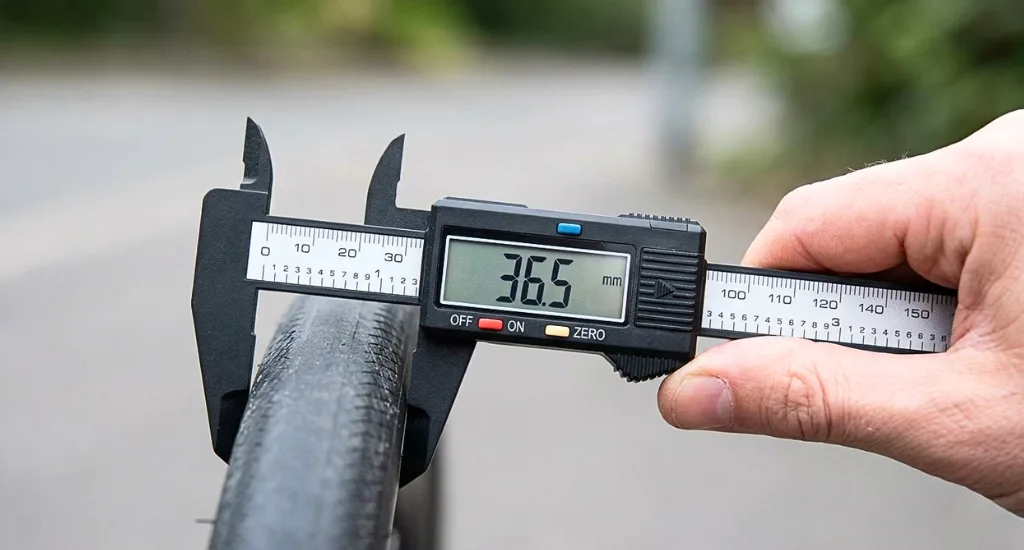
Cruiser bikes use balloon tires that are often one point nine five inches or wider. These tires feature smooth or light tread, allowing them to roll smoothly on pavement, sand, and wooden boardwalk paths.
Cruiser tire traits:
- Wide size for soft ride
- Light tread for smooth roads
- Low road noise
- Good grip on dry pavement
Mountain bikes use knobby tires with deep tread blocks. These tires grip dirt, mud, gravel, and rock, which helps the bike stay firm on loose or steep trail ground.
Mountain bike tire traits:
- Deep knobs for grip
- Strong sidewalls
- Firm hold on wet dirt
- Better trail control
Gearing & Drivetrain
Cruiser bikes use one gear or up to seven gears. This simple gear setup needs less care and works well on flat paths, where riders do not face hills or sharp speed shifts.
Mountain bikes use twenty to thirty or more gears. These gears help riders push up steep hills and roll over rough ground, which keeps the legs steady during long or hard trail rides.
Suspension & Shock Absorption
Cruiser bikes often use stiff frames with no front or rear shock parts. Some models have seat post springs that help soften small bumps found on paved roads and beach paths.
Mountain bikes use front shock forks or full frame shock systems. These parts absorb hits from roots, rocks, and drops, so the wheels stay on the ground and the rider stays in control.
Common MTB suspension types:
- Hardtail with front shock
- Full suspension with front and rear shocks
Braking Power
Cruiser bikes use coaster brakes or basic rim brakes. These brake types suit slow rides on flat roads, though they lose grip on wet ground or steep slopes.

Mountain bikes use disc brakes that squeeze the wheel with a strong force. These brakes stop fast on mud, rain, and downhill paths, which keeps the rider safe on hard trail sections.
Ride Experience
Cruiser bikes give a smooth and stable ride that feels calm on flat ground. These bikes suit short trips and scenic routes where riders want a soft and easy road feel.
Cruiser ride feel:
- Smooth
- Stable
- Slow paced
- Comfort focused
Mountain bikes give a strong and active ride on rough trails. These bikes feel firm and sharp, which helps riders control speed, grip, and balance on wild paths.
Mountain bike ride feel:
- Fast response
- High grip
- Trail control
- Strong road feedback
When a Cruiser Bike Is the Better Choice
A cruiser bike fits riders who ride on flat ground and seek a calm road feel, simple control, and an easy pace during short trips and relaxed daily rides.
Ideal Riding Environments
Cruiser bikes work best on beach paths, boardwalks, flat paved roads, smooth bike lanes, and quiet neighborhoods where the surface stays even, and the ride stays slow and steady.
Who Cruiser Bikes Are Perfect For
These bikes suit beginners, casual riders, and people who value comfort over speed. They also fit riders who want easy control, low care needs, and a calm road feel.
Exercise & Fitness Benefits
Cruiser bikes give light cardio that suits leisure rides, gentle body use, and joint-friendly motion. These bikes do not suit steep hills or hard training that needs a strong leg push.
When a Mountain Bike Is the Better Choice
A mountain bike fits riders who ride on rough ground and seek firm control, a strong grip, and high ride force during long trail trips and hard outdoor rides.
Ideal Riding Environments
Mountain bikes suit dirt trails, gravel paths, forest tracks, rocky ground, and root-covered terrain. These bikes also handle hilly routes where steady grip and strong frame support keep the ride stable.
Who Mountain Bikes Are Best For
These bikes fit adventure riders, fitness riders, and trail fans who want more speed, more challenge, and better control. They also suit riders who push hard on wild paths.
Performance & Workout Potential
Mountain bikes handle steep climbs, fast drops, and uneven ground with ease. These bikes give a full body workout, high calorie burn, and strong heart health through hard trail rides.
End Note
In Cruiser Bike vs Mountain Bike, the right pick depends on ride style and road type. A cruiser fits riders who want comfort, easy trips, and scenic routes. A mountain bike fits riders who want adventure, fitness, and firm control on rough ground and hills.
A hardtail or single-speed mountain bike can serve many riding needs on both streets and trails. The best bike is the one that matches where and how you actually ride, so each mile feels right.
FAQs
Is a cruiser bike good for hills?
No, a cruiser bike struggles on hills because it has few gears and a heavy frame, which makes pedaling hard when the road rises, and the leg force needs to increase.
Are mountain bikes good for cruising?
Yes, mountain bikes suit cruising on flat roads, especially hardtail or single-gear models, because wide tires and strong frames give a smooth roll and steady balance.
Which bike is better for beginners?
Cruiser bikes suit beginners since they feel easy and calm, though mountain bikes offer more use later when skill grows, since they handle many surfaces with better control.