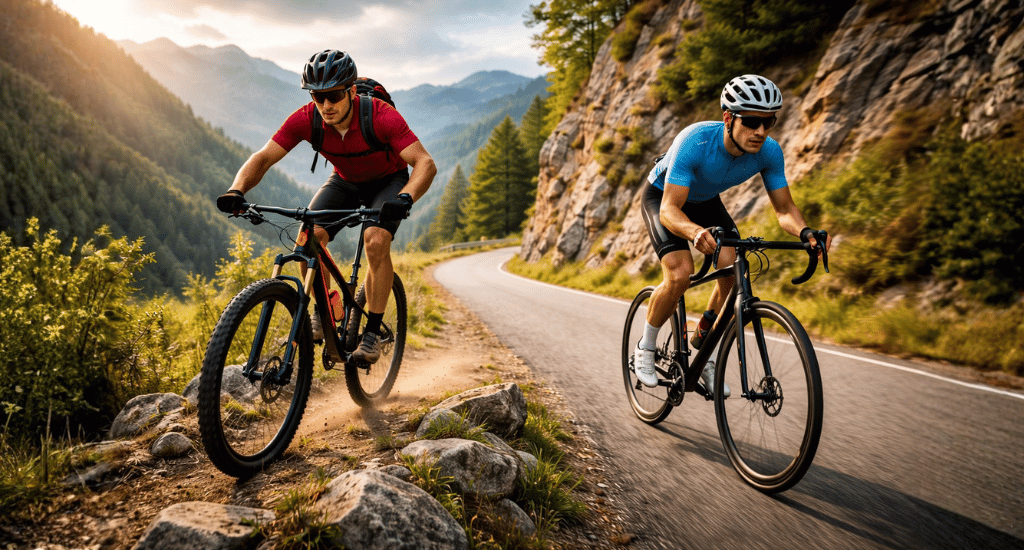
Small changes can make a big difference on the trail. Mountain bike crank length 170 vs 175 is one of those details that affect how your bike feels, pedals, and handles.
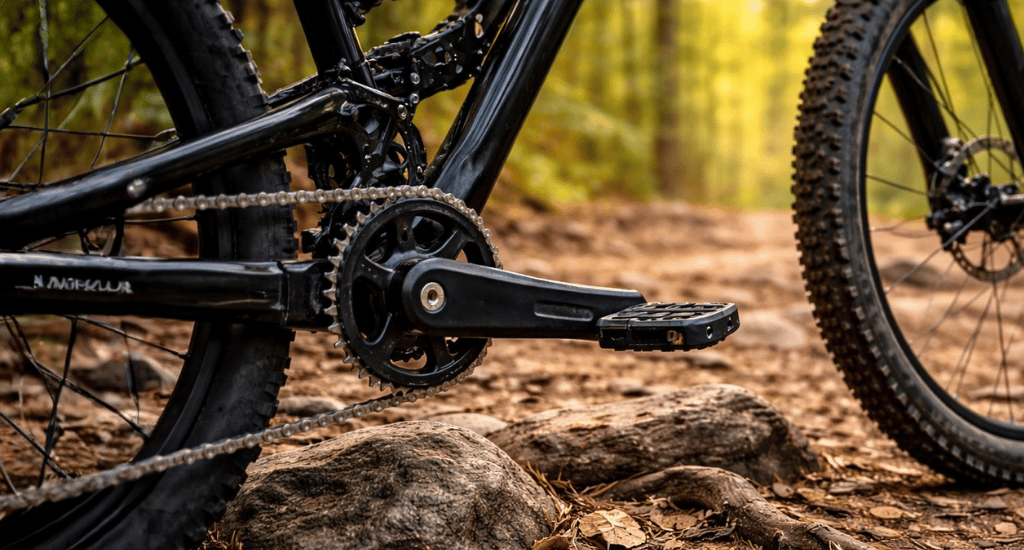
A crank is the arm that links your pedals to the bike. Shorter cranks like 170mm give more space over rocks and roots. Longer cranks, like 175mm offer extra leverage for climbing. Riders often feel the difference in leg movement, knee comfort, and bike control.
This guide is for beginners, trail and XC riders, or casual mountain bikers. Read on to see which crank suits your riding style.
What Is Crank Length and Why Does It Matter in MTB
A crank is the arm that connects the pedals to the bike’s bottom bracket. Its length affects how far your feet travel with each pedal stroke, changing how your legs move on every ride.
Crank length comes in millimeters, usually between 165mm and 175mm for mountain bikes. The right length helps riders pedal efficiently, stay comfortable, and avoid hitting rocks or roots on trails.
Here are the core features of crank length in MTB:
- Affects how much power you apply to the pedals
- Changes the bike’s handling and control on trails
- Impacts knee and hip comfort during rides
- Influences clearance over rocks and uneven terrain
- Helps maintain smooth cadence and pedaling rhythm
Mountain Bike Crank Length 170 vs 175: Core Differences
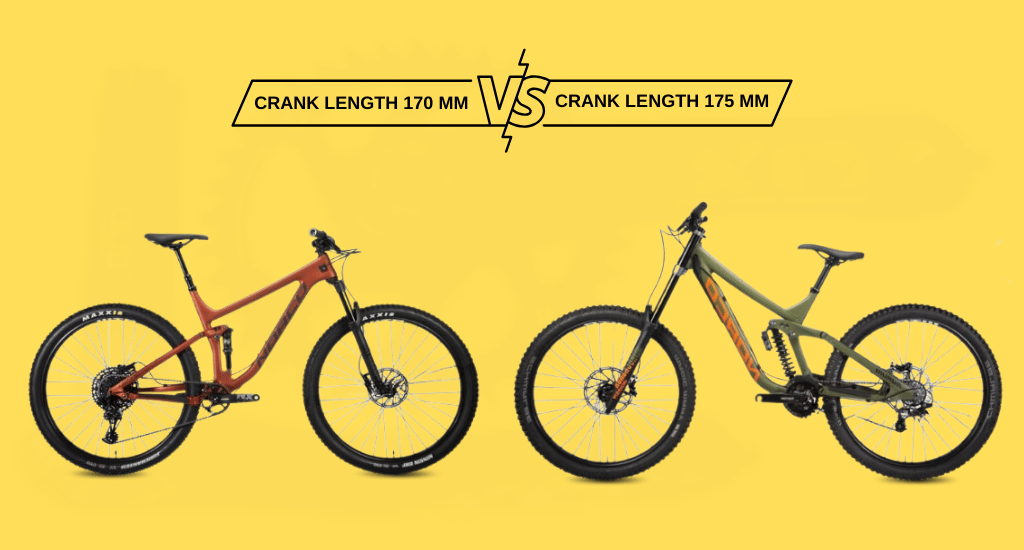
Crank length changes how your bike pedals, climbs, and handles rough trails. Even a few millimeters can affect power, comfort, and control, making it important to pick the right one for your riding style.
Pedaling Power and Leverage
175mm cranks provide more leverage, helping riders push harder on climbs and maintain speed on flat trails. The extra length can feel powerful for taller riders.
170mm cranks let legs spin faster with less effort. While they produce slightly less power, most riders find the difference in power small, but pedaling feels smoother and less tiring.
Ground Clearance and Pedal Strikes
Shorter 170mm cranks lift pedals higher over rocks and roots. This reduces pedal strikes and makes technical trails easier and safer to ride.
Longer 175mm cranks sit lower, increasing the chance of hitting obstacles. Riders may need more caution on rocky trails, which can affect confidence and speed.
Knee and Hip Movement
170mm cranks open the hip angle, reducing strain on knees and hips. This can make long rides more comfortable and prevent joint fatigue on technical sections.
175mm cranks increase knee and hip movement. While this can give a more traditional feel, it may tire joints faster and cause discomfort during extended rides.
Climbing Feel on Steep Trails
Riders using 175mm cranks feel stronger pushes on steep climbs. They can help transfer more force per pedal stroke, which some riders prefer on long uphill sections.
170mm cranks allow faster spins and smoother movement. This improves traction and control on technical climbs, helping riders navigate rocks and roots without losing momentum.
Cadence and Pedaling Speed
Shorter cranks support quicker, smoother pedaling. Riders can maintain a higher cadence with less effort, which benefits technical trails and fast sections.
Longer cranks slow the cadence slightly because each pedal stroke requires more leg movement. This can make steep climbs feel heavier and reduce speed on tight trails.
Overall Bike Control and Stability
170mm cranks improve balance, handling, and confidence on rough terrain. They make cornering, drops, and tight turns easier to manage, especially for trail and enduro riders.
175mm cranks feel more powerful and traditional. While they offer strong pedaling, the bike may feel less nimble, making technical or rocky sections harder to maneuver.
How Crank Length Affects Performance on the Trail
Crank length changes how your legs work and how the bike handles. Even small differences affect climbing, descending, and overall trail control, making the right choice important for every rider.
Climbing Performance: Power vs Control
Why Longer Cranks Feel Stronger on Climbs
175mm cranks give more leverage per pedal stroke, making it easier to push hard on steep trails. Taller riders often feel more power using longer cranks.
How Shorter Cranks Keep Momentum and Traction
170mm cranks spin faster and allow smoother leg movement. This helps maintain traction on technical climbs and keeps momentum on tricky uphill sections.
Why Power Loss Is Often Overestimated
Studies and rider experience show shorter cranks lose little actual power. Most riders gain control and comfort without feeling slower or less efficient on climbs.
Descending and Technical Riding
Pedal Clearance in Rocky Sections
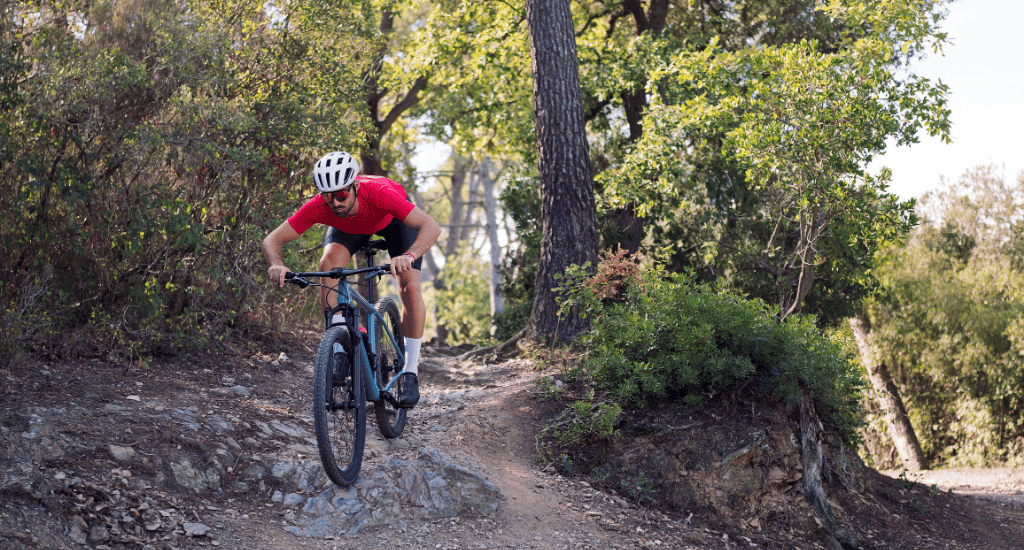
Shorter cranks lift pedals higher above rocks, roots, and obstacles. This reduces pedal strikes and makes rough terrain safer to ride confidently.
Cornering Confidence
170mm cranks let riders move the bike more easily through tight corners. Longer cranks can feel less nimble, making sharp turns trickier to manage.
Body Position and Balance
Shorter cranks improve rider balance and positioning on drops and rough trails. Longer cranks require larger leg movements, which may affect stability in technical sections.
Cadence, Efficiency, and Fatigue
Faster Spinning vs Slower Pushing
Shorter cranks let riders spin quickly with less effort. Longer cranks produce stronger pushes but slower pedal rotation, which may tire legs faster.
Energy Use Over Long Rides
Riders using 170mm cranks often feel less fatigue because leg movement is smoother. Longer cranks need more joint movement, which can increase overall energy use.
Comfort on Knees and Hips
Shorter cranks reduce strain on knees and hips, making rides more comfortable. Longer cranks increase joint angles, which can cause discomfort on long or technical rides.
How to Choose Between 170mm and 175mm Cranks
The right crank length depends on body size, riding style, and comfort. Small differences affect how your legs move, how the bike handles, and how tired you feel after a ride.
Based on Rider Height and Body Build
170mm cranks suit shorter and average-height riders because leg movement stays smoother. Pedals sit higher, joints feel less strain, and trail control improves, especially on uneven ground.
175mm cranks often suit taller riders with longer legs. Extra leverage helps push harder on climbs and maintain steady power, though some still prefer shorter cranks for better control.
Leg length affects how far joints move during pedaling. Riders with shorter legs may feel cramped on longer cranks, while longer legs can handle extra motion without discomfort.
Based on Riding Style
170mm cranks work well for trail and enduro riding. They reduce pedal strikes, improve balance, and help riders stay confident through rocks, drops, and tight corners.
XC riders may prefer 170mm or 175mm cranks, depending on terrain. Shorter cranks improve cadence and control, while longer cranks can feel strong on long, steady climbs.
170mm cranks suit most casual riders. They feel comfortable, forgiving, and easy to adapt to, making rides smoother without needing a strong pedaling force.
Based on Comfort and Injury History
Knee discomfort during or after rides can signal long crank stress. Shorter cranks reduce joint movement and often relieve pressure on knees during repeated pedaling.
Longer cranks increase hip motion, which may cause tightness or lower back stress. Shorter cranks help keep the body more upright and relaxed on long rides.
Switching crank length can improve comfort when joint pain or pedal strikes appear. Many riders feel relief within a few rides after moving to shorter cranks.
Modern MTB Trends: Why Shorter Cranks Are Gaining Popularity
Modern mountain bikes now feature shorter cranks. Riders value smoother pedaling, better clearance, and improved control over older long-crank setups.
Bikes now have lower bottom brackets and longer suspension travel. Shorter cranks help avoid pedal strikes and match modern frame designs more effectively.
Trail riding favors control over pure power. Shorter cranks offer balance, confidence, and comfort, which many riders prefer over extra leverage.
Conclusion
Small parts often shape the whole ride. Mountain bike crank length 170 vs 175 shows how a few millimeters can change comfort, control, and trail confidence. Most riders feel better balance, smoother pedaling, and fewer pedal hits with 170mm cranks.
Still, 175mm can suit taller riders who value a strong climbing push. The best choice comes from real rides, not charts. Test both if possible and trust body feedback. On trails, comfort and control often matter more than raw leverage.
FAQs
Is Switching from 175mm to 170mm Worth It?
Yes, many riders benefit from 170mm cranks. They offer better control, reduce knee strain, and prevent pedal strikes. Power loss is minimal, making rides smoother and more comfortable, especially on technical trails.
Are 175 cranks too long for mountain biking?
Not always, but they can feel long for shorter riders or technical trails. Longer cranks may increase joint stress and pedal strikes, though taller riders often find them powerful and efficient on climbs.
Are shorter cranks better for climbing?
Shorter cranks don’t reduce climbing power much. They allow faster spins, better traction, and smoother leg movement. Riders often maintain momentum more easily, especially on steep or technical sections.