
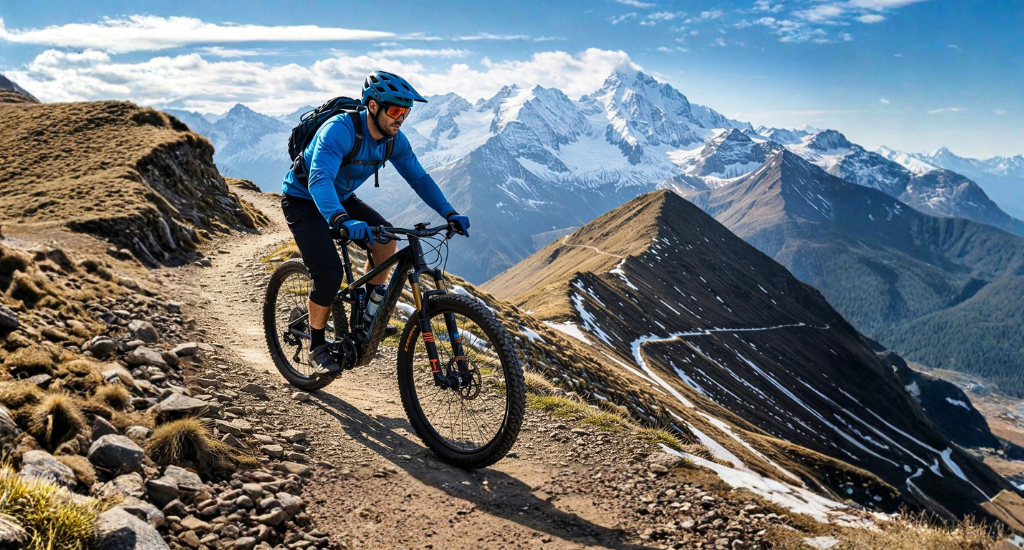
Steep climbs test both rider strength and bike design on rough mountain trails. A good setup makes uphill rides smoother, maintains traction, and saves energy on long, demanding climbs.
Many riders ask which bike handles climbs better without wasting effort on rough terrain. Options like Schwinn HT, Huffy SM, and Dynacraft MTB often come up as simple and reliable answers.
This guide will introduce you to the best mountain bikes for climbing, their features, smart choices, and simple tips to help you pick the right climbing bike.
5 Best Mountain Bikes for Climbing: Comparison at a Glance
Climbing performance depends on weight, frame type, and gear range, so each bike feels different on hills. This quick table gives a clear view of the five models, so you can compare them fast.
| Model | Frame Material | Speeds | Suspension | Price |
|---|---|---|---|---|
| Schwinn High Timber Mountain Bike | Aluminum / Steel | 21-speed | Front | Check on Amazon |
| Huffy Stone Mountain Bike | Steel | 21-speed | Front | Check on Amazon |
| Magna Echo Ridge 26 Bike | Steel | 18-speed | Front, Rear | Check on Amazon |
| HH Hiland 26″ Mountain Bike | Aluminum | 18-speed | Front | Check on Amazon |
| Huffy Marker Full Suspension Bike | Steel | 21-speed | Full | Check on Amazon |
5 Best Mountain Bikes for Climbing
Climbing steep trails needs the right bike with good grip, light weight, and a smooth gear range. Below are five options that balance control, comfort, and power, so uphill rides feel easier and more stable.
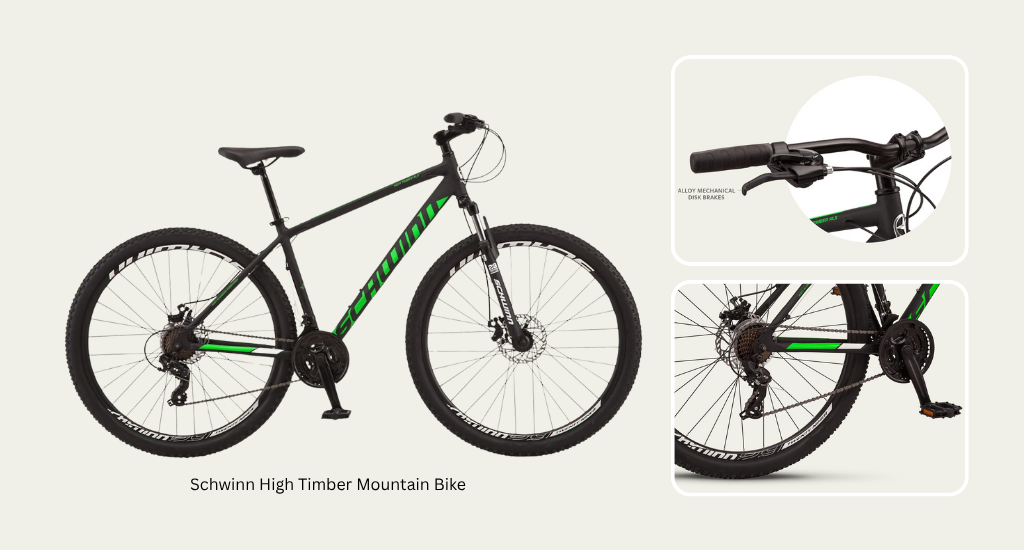
1. Schwinn High Timber Mountain Bike 29-Inch Wheels
Specifications:
- Frame: Lightweight aluminum mountain frame
- Fork: Front suspension for shock control
- Gears: 21-speed with twist shifters
- Brakes: Mechanical disc brakes for steady stopping
- Wheels: 29-inch with knobby tires for grip
- Riding style: Forward position for better control
Schwinn High Timber is a simple mountain bike built for everyday trail use and light climbing. The aluminum frame keeps the weight low, so uphill rides feel less tiring on longer paths.
The 29-inch wheels roll smoothly over rocks and roots, which helps maintain balance on uneven ground. Suspension at the front absorbs bumps, so your hands and arms stay more relaxed during rough climbs.
Reasons to Buy:
- Lightweight frame makes uphill riding easier
- 21-speed gears give better control on steep climbs
- Large wheels roll smoothly over rough terrain
- Disc brakes offer steady stopping in different weather conditions
- Comfortable for beginners and casual trail riders
Reasons to Avoid:
- Not ideal for very aggressive or rocky downhill trails
- Basic components may feel limited for advanced riders
Why We Picked It?
This bike stands out as a budget-friendly option that still handles climbing tasks well. It gives a smooth ride, simple controls, and enough power for everyday trail use without extra complexity.
Also read: 2.0 vs 2.2 Mountain Bike Tires.
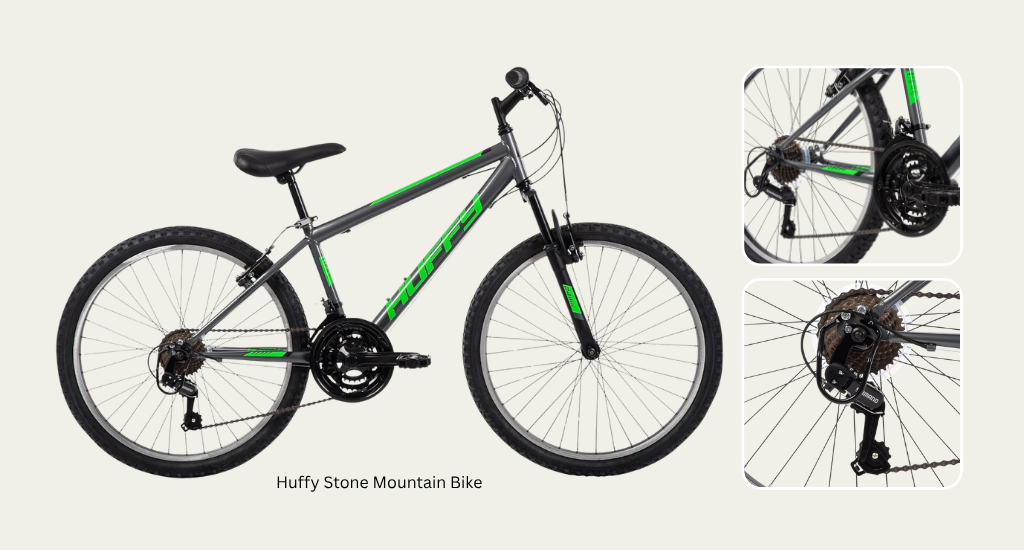
2. Huffy Stone Mountain 21-Speed Hardtail Mountain Bike
Specifications:
- Frame: Durable steel hardtail frame
- Fork: Front suspension for basic shock control
- Gears: 21-speed Shimano drivetrain with twist shifters
- Brakes: Linear pull (V-brakes) for consistent stopping
- Wheels: 26-inch with 1.95-inch knobby tires
- Comfort: Padded saddle and upright handlebar design
Huffy Stone Mountain bike fits well in the category of affordable mountain bikes for climbing for beginners and casual riders. The 21-speed gear system gives enough range to handle small hills without too much effort.
It also keeps things simple, which helps new riders focus on balance and control instead of complex features. The upright position adds comfort, so longer climbs feel less tiring on the body.
Reasons to Buy:
- Budget-friendly option for new riders
- 21-speed gears help on mild to moderate climbs
- Stable steel frame adds confidence on rough paths
- Comfortable saddle supports longer rides
- Easy setup with basic tools included
Reasons to Avoid:
- A heavier frame makes steep climbing harder
- Basic brakes may feel weak in wet conditions
Why We Picked It?
This bike is a good entry-level option for riders who want a simple climbing setup without spending too much. It offers steady performance, easy control, and enough features for everyday trail use.
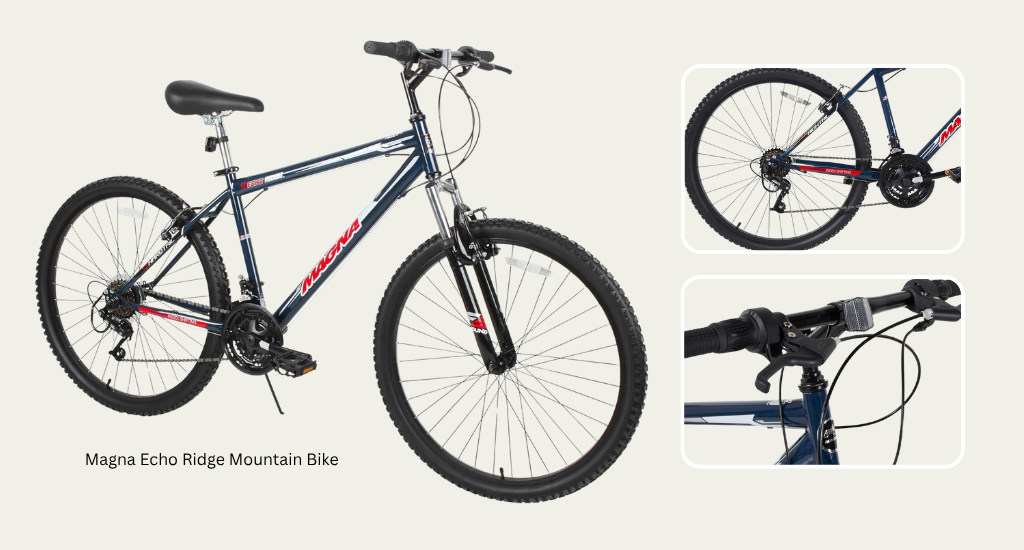
3. Magna Echo Ridge 26″ Mountain Bike
Specifications:
- Frame: Steel frame with a solid and rugged feel
- Fork: Front suspension for small bump control
- Gears: 18-speed index shifting system
- Brakes: Front and rear linear pull brakes
- Wheels: 26-inch tires for basic trail use
- Extras: Adjustable padded seat and quick-release post
The Dynacraft Magna Echo Ridge Mountain Bike can fit riders who want the best mountain bike for hill climbing on a very tight budget. It’s because you’ll get this bike just below $170. The gear range supports slow climbing, but the heavier frame needs extra effort on steep slopes.
It suits short climbs where balance matters more than speed or power. Riders may need to adjust gears and brakes for smoother uphill control after setup.
Reasons to Buy:
- The very low price makes it easy for first-time riders
- Strong frame handles rough use without quick damage
- An 18-speed setup helps on small hills and mixed terrain
- Comfortable seat and upright position support short rides
- Good option for casual weekend use or practice
Reasons to Avoid:
- Extra weight makes steep climbing feel harder than lighter bikes
- Some parts may wear faster with regular trail use
Why We Picked It?
This bike fits riders who want a very simple and low-cost option for light climbing. It is not built for performance, but it still works for short hills and easy trail rides.
4. HH Hiland 26″ 18-Speed Mountain Bike
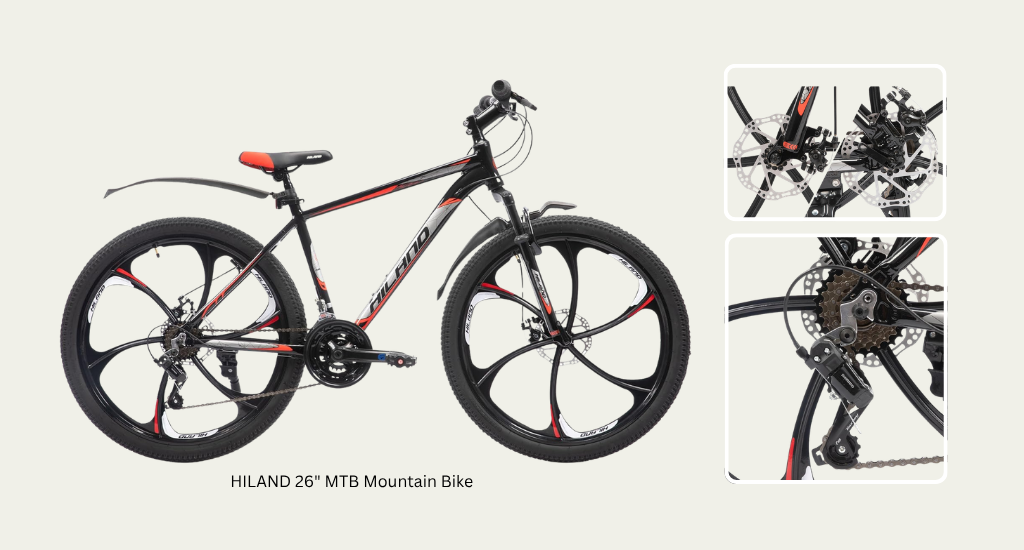
Specifications:
- Frame: Lightweight aluminum frame for easier handling
- Fork: Front suspension to absorb bumps and trail shocks
- Gears: 18-speed drivetrain for flexible speed control
- Brakes: Dual mechanical disc brakes for steady stopping
- Weight: Around 34 lbs, lighter than many steel bikes
- Assembly: 85% pre-assembled with included tools
HH Hiland 18-speed mountain bike works as a simple option close to the best full suspension mountain bike for climbing feel, even though it uses front suspension only. The single suspension is qualitatively enough to make you ride the bike with comfort. The lighter frame and gear system support steady climbing on mixed terrain.
It handles uphill paths with better balance compared to heavier steel bikes in the same price range. Riders can keep momentum on slopes without losing too much control or energy.
Reasons to Buy:
- An aluminum frame makes climbing feel less tiring than heavier bikes
- Disc brakes provide strong stopping power on steep paths
- The gear system shifts smoothly, which helps maintain the climbing rhythm
- Suspension fork improves comfort on rough uphill trails
- Better overall build quality compared to many budget options
Reasons to Avoid:
- Not true full suspension, so rear bumps still transfer to the rider
- The assembly may need careful adjustment for gears and brakes
Why We Picked It?
This bike stands out because it balances weight, control, and price better than most entry-level options. It feels closer to a performance bike, which makes climbing smoother and more efficient.
5. Huffy Marker 26″ Full Suspension Mountain Bike
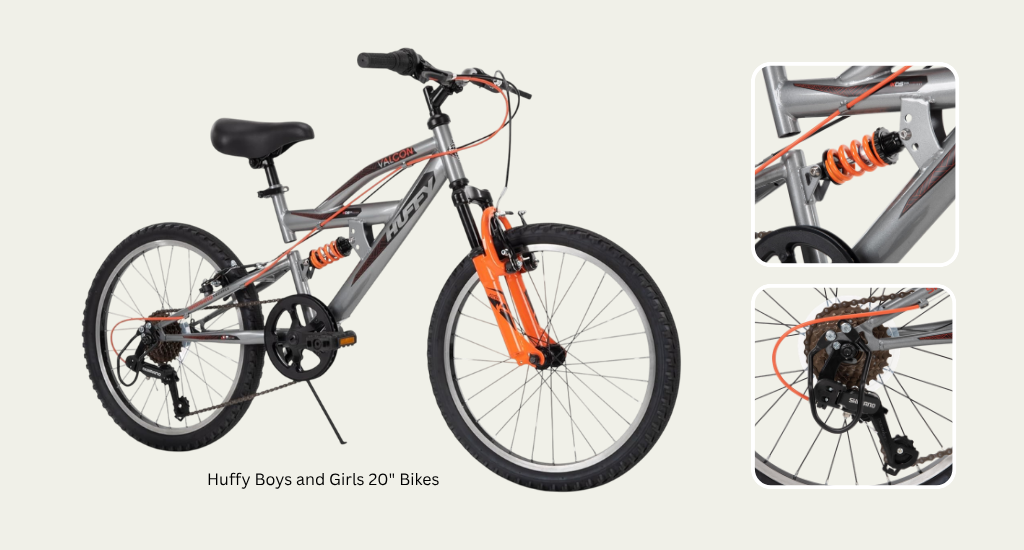
Specifications:
- Frame: Steel full suspension frame for extra comfort
- Suspension: Front and rear suspension systems
- Gears: 21-speed Shimano drivetrain with thumb shifters
- Brakes: Front disc brake and rear linear pull brake
- Wheels: 26-inch knobby tires for trail grip
- Weight: Around 45 lbs, heavier than most entry bikes
Huffy Marker Mountain Bike stands out because it uses a full suspension setup, which means both front and rear shocks absorb trail bumps. This design helps reduce body strain on rough ground and uneven climbing paths.
The 21-speed gear system supports different terrains, but the heavy steel frame changes how the bike feels on hills. It feels more stable than fast, which suits relaxed riders more than aggressive climbers.
Reasons to Buy:
- Full suspension adds comfort on rough and bumpy climbs
- Strong frame handles uneven trails without too much flex
- Good traction from both wheels helps on loose surfaces
- Wide gear range supports different trail conditions
- Feels stable and controlled for casual riders
Reasons to Avoid:
- A mixed brake system may feel uneven during quick stops
- Not ideal for riders who want speed or sharp handling
Why We Picked It?
This bike offers something different from basic hardtail models in this price range. It focuses on comfort and control, which helps riders handle rough climbs without feeling every bump.
Quick Performance Chart: Best Mountain Bikes for Climbing
| Model | Climbing Efficiency | Weight Impact | Gear Range | Traction & Grip | Price |
|---|---|---|---|---|---|
| Schwinn High Timber Mountain Bike | 4 | 4 | 4 | 4 | Check on Amazon |
| Huffy Stone Mountain Bike | 3 | 2 | 4 | 3 | Check on Amazon |
| Magna Echo Ridge 26 Bike | 2 | 2 | 3 | 3 | Check on Amazon |
| HH Hiland 26″ Mountain Bike | 4 | 4 | 3 | 3 | Check on Amazon |
| Huffy Marker Full Suspension Bike | 2 | 1 | 4 | 4 | Check on Amazon |
This quick chart compares how each bike performs on climbs using simple rating scores.
How to Choose the Best Mountain Bike for Climbing
A good climbing bike makes uphill rides feel smoother, safer, and less tiring on rough trails. Focus on simple features that improve control, balance, and pedaling power instead of looks or extra parts.
Frame Weight and Material
A lighter frame like the one from Schwinn High Timber helps you ride uphill with less effort and better control on long climbs. Aluminum frames feel easier to handle, while steel frames feel stronger but add more weight on steep paths.
Gear Range for Steep Climbs
A wide gear range helps you adjust pedaling speed on different slopes without losing balance. Lower gears reduce pressure on your legs, which makes steep climbs feel smoother and more controlled.
Wheel Size and Trail Grip
Wheel size affects how the bike rolls over rocks, roots, and loose dirt on climbs. Larger wheels keep momentum better, while smaller wheels feel easier to control on tight and uneven paths.
Suspension Type and Efficiency
Front suspension absorbs small bumps and keeps your ride stable on rough climbs. Full suspension adds comfort, but it can reduce pedaling power and make uphill riding feel slower. Bikes like Huffy Marker Mountain Bike work better in this case.
Riding Position and Comfort
A comfortable riding position helps you stay balanced and keep steady power on climbs. A proper seat height and handlebar reach allow better control, which reduces fatigue during long uphill rides.
End Note
A good climbing bike should feel light, stable, and easy to control on steep trails. The right gears, frame, and wheel size help you ride longer without too much effort or strain.
Pick a bike that matches your skill level and trail type for better results. Simple features often work best, especially when your main goal is smooth and steady climbing.
FAQs
Which type of bike is best for uphill riding?
A hardtail mountain bike is best for uphill riding because it transfers pedaling power more efficiently. It feels lighter and more direct on climbs, which helps maintain steady speed and better control on steep or uneven trails.
Are 27.5 or 29-inch wheels better for climbing?
Among the 27.5 vs 29-inch wheel comparison, 29-inch wheels are better for climbing because they roll over rocks and roots more smoothly. They keep momentum on rough trails, while 27.5-inch wheels feel easier to control on tight paths and slower uphill sections.
Is a lightweight bike better for steep climbs?
Yes, a lightweight bike is better for steep climbs because it reduces the effort needed to pedal uphill. Less weight helps you maintain balance and control, especially on long climbs where energy use matters more.


