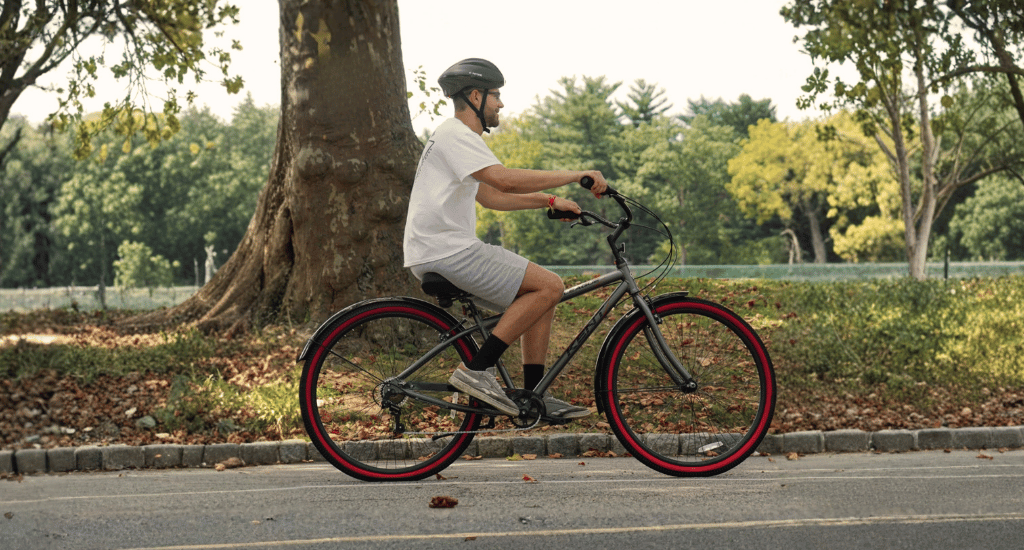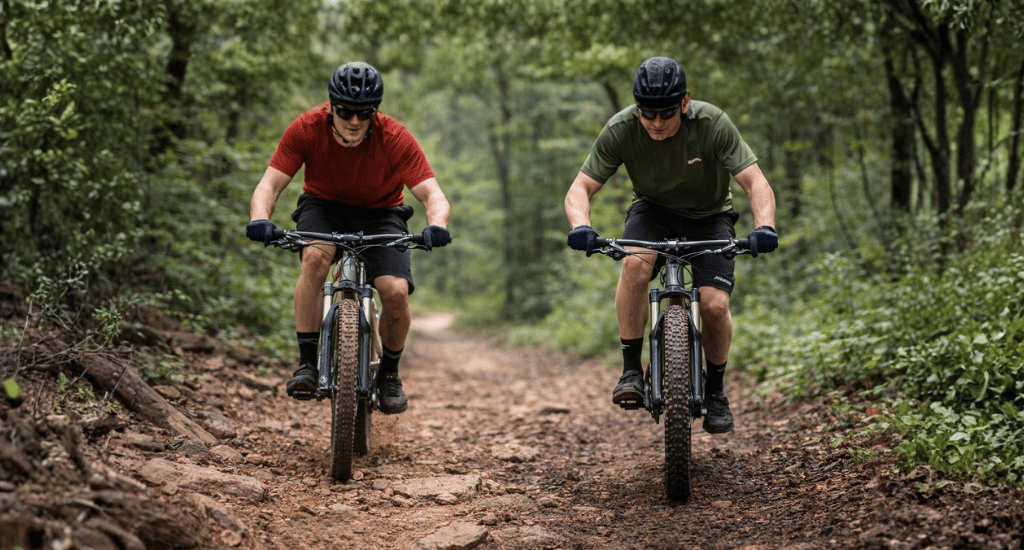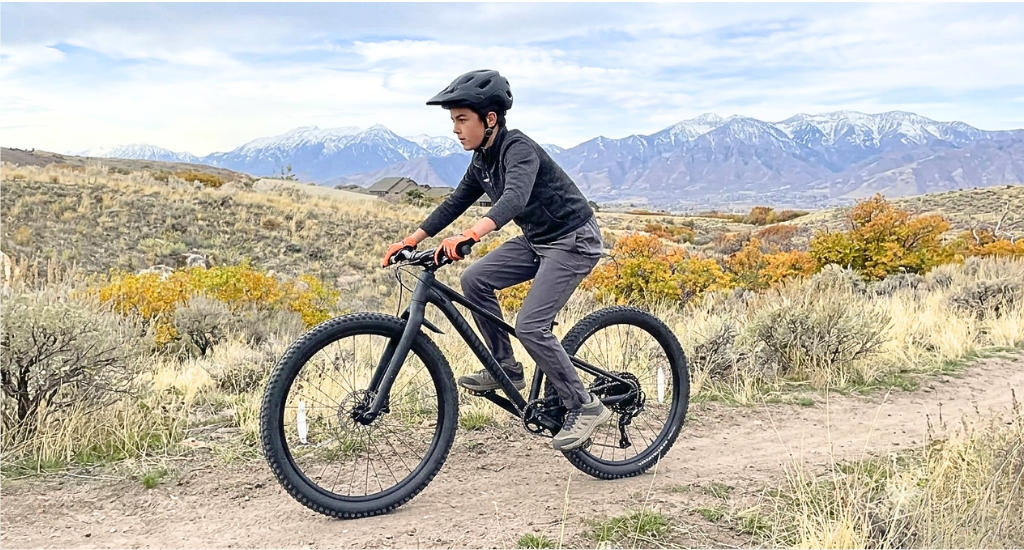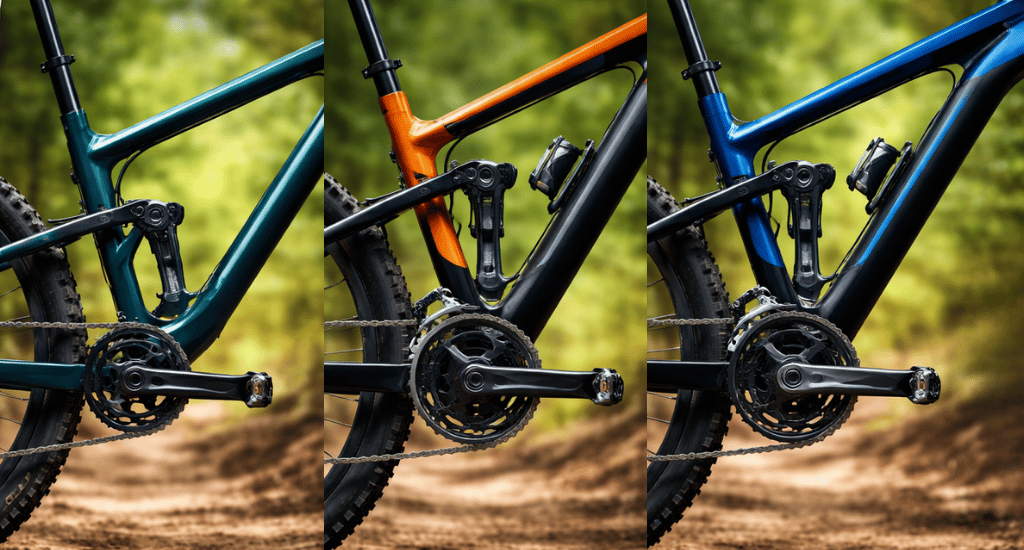
One small part can change how a mountain bike feels on every ride. 1x vs 2x vs 3x mountain bike drivetrains shape speed, effort, and control on the trail. Many riders feel stuck here because bikes no longer follow one clear rule.
Mountain bikes have changed a lot in recent years. Old bikes often came with three front gears. New models now prefer one front gear. This shift creates a simple question. Should a rider pick ease and clean design, or wider gear options for climbs and flats?
This guide suits trail riders, XC racers, touring fans, and beginners. Each group needs gears for different paths and goals. Read this blog to see clear answers and real use cases before your next ride.
What Does 1x, 2x, and 3x Mean in Mountain Bike Drivetrains?
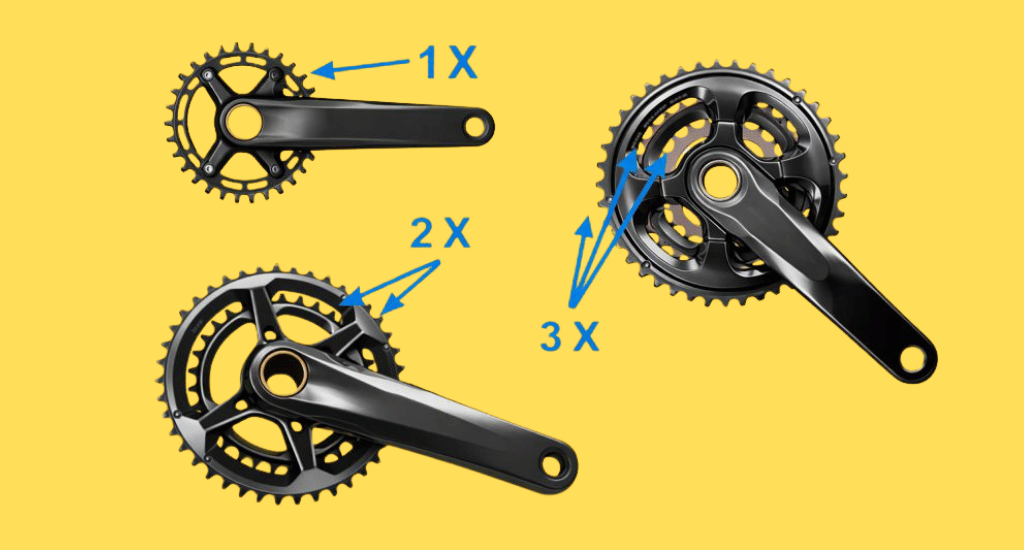
The terms 1x, 2x, and 3x describe the number of front gears on a mountain bike. The letter “x” stands for the front gear count. The rear wheel always has many gears, but the front setup changes how the bike feels on climbs and fast sections.
A 1x drivetrain has one front gear. It uses a wide rear gear set to cover most riding needs. A 2x drivetrain has two front gears. This gives more gear choices for hills and flat roads. A 3x drivetrain uses three front gears. This design offers the widest range but adds extra parts and weight.
Each setup suits a different riding style. The front gear count affects ease of use, bike weight, and how smooth the ride feels on varied terrain.
1x vs 2x vs 3x Mountain Bike: Core Differences
Different drivetrains change how your bike climbs, speeds, and handles trails. 1x, 2x, and 3x setups each have unique features, benefits, and limits. Understanding these helps riders choose the right fit for their style.
Number of Front Chainrings
Managing a single front chainring makes 1x bikes simple and light. Riders do not have to constantly think about coordinating front and rear gears, which keeps focus on technical trails and improves control over turns and obstacles.
Adding a second chainring creates a 2x drivetrain, giving extra gears for smooth climbs and flat sections. Three front chainrings, as in 3x bikes, offer the widest range but increase weight and complexity, requiring riders to shift more often and pay attention to gear selection.
Total Gear Range & Top Speed
A 1x drivetrain has a slightly narrower gear range, with top speed around 47-48 km/h. This works well for trail riding and technical sections, but may feel limiting on long flats or steep climbs.
Two chainrings in a 2x setup provide a wider range and about 15-20% higher top speed than 1x. Three-chainring 3x bikes give the broadest range, offering very low gears for climbs and high gears for fast sections, maintaining smoother pedaling effort across terrain.
Weight & Component Count
Single-chainring bikes are the lightest because 1x setups do not have a front derailleur or extra shifter. This reduction in weight makes climbing easier and helps acceleration on technical trails feel more responsive.
2x bikes add extra parts, slightly increasing weight, while 3x bikes have three chainrings and the most components. Though heavier, these drivetrains provide maximum gear options, which is useful for long rides or steep terrain where gear variety matters more than weight.
Shifting Complexity
Riding a 1x bike is simple because only one shifter manages all rear gears. Shifts feel smooth and predictable, allowing riders to focus entirely on trail obstacles without worrying about front gear coordination.
Two-chainring 2x bikes require managing front and rear shifts together, which can be challenging at first. Three-chainring 3x bikes are even more complex, demanding careful attention to avoid rough transitions, making them better suited for experienced riders familiar with frequent gear changes.
Chain Retention & Reliability
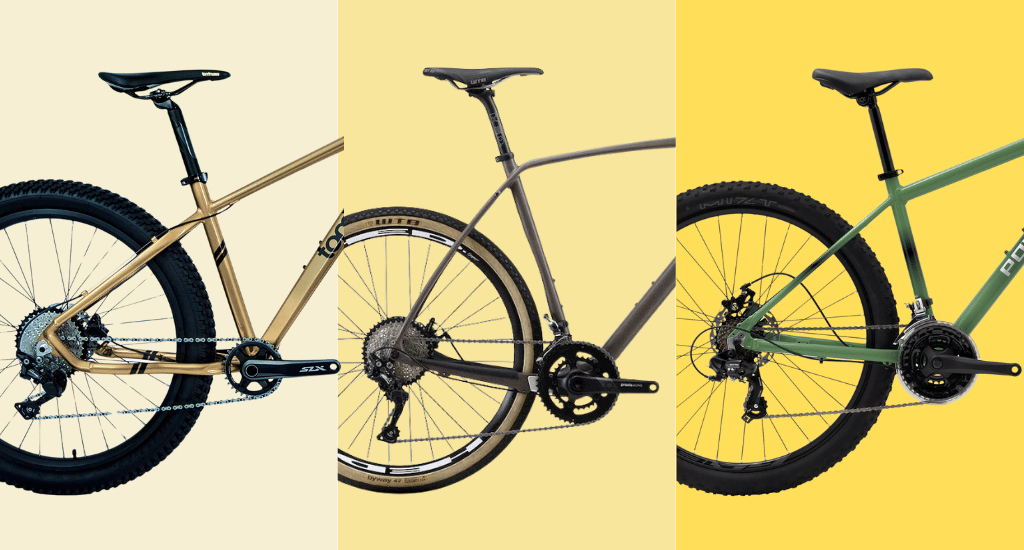
1x drivetrains use narrow-wide chainrings and clutch derailleurs to hold the chain securely. This reduces the chance of chain drops, letting riders tackle bumpy or rocky trails without interruptions.
Two-chainring 2x bikes have moderate chain drop risk, especially when shifting front gears under load. Three-chainring 3x bikes carry the highest risk of cross-chaining and chain slips, which can wear parts faster and require more frequent maintenance for long or technical rides.
Maintenance & Adjustment Needs
1x bikes need minimal upkeep because fewer components require adjustment. Riders spend less time tuning and more time enjoying trails without worrying about derailleur alignment or shifting issues.
2x drivetrains require regular tuning of the front derailleur and occasional cleaning. Three-chainring 3x setups demand the most maintenance, including both front and rear adjustments, careful alignment, and frequent inspections to ensure smooth and reliable shifting across all gears.
Modern MTB Compatibility & Use
Modern trail, enduro, and downhill bikes usually come with 1x drivetrains. Riders benefit from lighter weight, simpler shifting, and reliability on technical trails or high-speed descents.
2x bikes are popular for XC, marathon, and bikepacking riders who need a wider gear range. 3x drivetrains are mostly found on older or budget bikes, useful for heavy touring or riders needing maximum gear versatility, despite the added weight and complexity.
Which Drivetrain Should You Choose?
Choosing the right drivetrain depends on your trails, riding style, and fitness. 1x, 2x, and 3x setups each have clear advantages. Matching your bike to your goals ensures better climbing, speed, and overall trail performance.
Choose 1x If You Ride Modern Trails or Technical Terrain
Riders tackling technical trails, enduro, or downhill benefit from a 1x drivetrain. It keeps the bike simple, reduces weight, and improves chain retention. Shifting is quick and reliable, letting you focus on obstacles and steep descents without distraction.
The single-chainring setup also lowers maintenance and prevents cross-chaining issues common in multi-ring systems. For riders prioritizing control, smooth handling, and lightweight performance on modern trail bikes, 1x is usually the best choice.
Choose 2x If You Need a Wider Gear Range
Cyclists on XC rides, marathons, or mixed terrain often prefer a 2x drivetrain. Two front chainrings give smoother gear steps, balancing climbing and speed effectively, especially on long rides with varied elevation and sustained efforts.
This setup adds some complexity and weight, but the wider gear range allows riders to handle steep climbs and fast flats more comfortably. For endurance-focused riders, 2x provides versatility without overwhelming shifting demands.
Choose 2x or 3x for Bikepacking and Long-Distance Touring
Loaded touring or bikepacking bikes benefit from extra climbing gears and higher top-end speed. Compared to a 1x setup, which tops out around 47-48 km/h, 2x and 3x drivetrains can offer 15-20% more top-end range for long rides.
The wider range makes it easier to pedal while carrying gear over hills or sustained climbs. For riders covering long distances or carrying heavy loads, 2x or 3x ensures smoother cadence and less fatigue over varied terrain.
Choose 3x If You’re on a Budget or Riding an Older Bike
Entry-level or older mountain bikes often use 3x drivetrains. They provide the widest gear range at a lower cost, which helps beginners or casual riders tackle hills without needing expensive components.
The tradeoff is a higher weight and more shifting complexity. Riders gain versatility but sacrifice the simplicity, reliability, and modern features found on 1x and 2x systems, making 3x ideal for budget-conscious or older bike setups.
Choose Based on Fitness Level and Riding Goals
Less-fit or beginner riders may prefer 2x or 3x for lower climbing gears, making uphill sections easier and conserving energy. The extra options help maintain a steady cadence without overexertion.
Experienced riders often find modern wide-range 1x drivetrains sufficient for most trails. It combines light weight, simplicity, and reliability, allowing skilled riders to focus on speed, technical sections, and quick trail transitions without worrying about extra gears.
Common Myths About MTB Drivetrains
Mountain bike drivetrains are often misunderstood. Riders hear conflicting advice online, leading to confusion about 1x, 2x, and 3x setups. Separating myths from facts helps you make the right choice for your trails and fitness level.
- “1x can’t climb well” – climbing ability depends on cassette range.
- “More gears always mean better” – extra gears can be redundant.
- “3x is dead” – still valuable for touring or budget bikes.
- “1x is only for downhill” – many XC and trail bikes use 1x.
- “2x is too complicated” – practice makes smooth shifting easy and reliable.
- “Single-chainring bikes break easier” – modern 1x systems are highly durable.
End Note
Choosing the right drivetrain changes every ride. 1x vs 2x vs 3x mountain bike setups each balance simplicity and gear range differently. There’s no single “best” choice for all riders. Trail, XC, touring, or beginner cyclists should consider terrain, riding style, load, and fitness.
One small decision affects speed, effort, and control on the trail. Understanding the strengths of 1x, 2x, and 3x helps you ride smarter, stay comfortable, and enjoy every ride.