
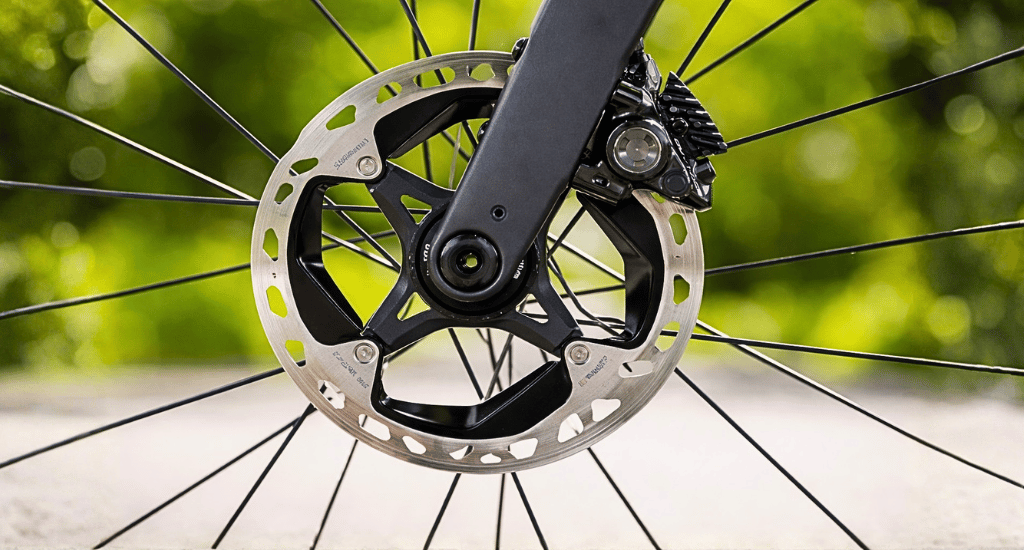
A sharp bicycle disk brake squeal can turn a smooth ride into an annoying experience very quickly. The sound often means something is wrong with your brake system and needs quick attention.
Most riders face this issue at some point, even with well-maintained bikes and quality parts. Dirt, oil, or slight misalignment can create noise that feels hard to ignore during every ride.
This guide will discuss how to fix squeaky brakes with simple steps and clear tips anyone can follow.
What Causes Bicycle Disk Brake Squeal?
A loud bicycle disk brake squeal often starts from small issues inside the brake system. The noise comes from vibration when parts fail to press evenly during braking. Small problems like dirt, misalignment, or poor contact can quickly create that sharp sound.
Contaminated Brake Pads (Most Common Cause)
Contaminated pads remain a leading cause of brake noise on many bikes today. Oil, grease, or chain lube can reach pads during regular bike care routines. Mud and dirty water also leave particles that stick and reduce braking grip. This poor grip creates uneven pressure and leads to vibration and squeal.
Rotor Contamination or Glazing
The rotor surface must stay clean for smooth and quiet braking every time. Dirt or heat can create a smooth glazed layer that reduces proper contact. This layer causes vibration and leads to a high-pitched sound during braking. Light sanding can remove glazing and restore proper contact between both surfaces.
Caliper Misalignment
A repeated squeak at fixed intervals often points to a caliper alignment issue. The pads fail to press the rotor evenly when the caliper shifts slightly. Uneven contact creates vibration, which produces a regular noise during wheel movement.
Bent or Warped Rotor
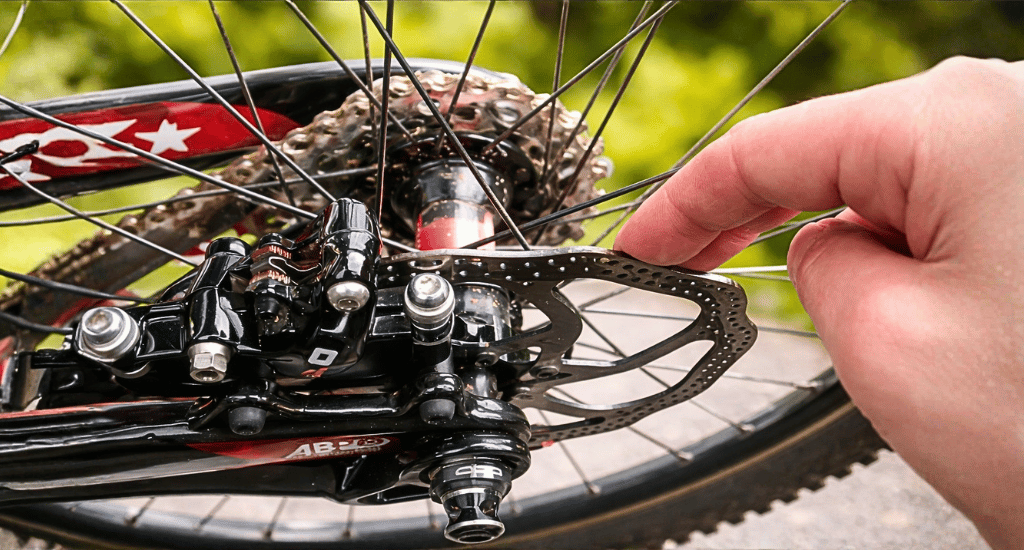
A bent rotor can create noise that comes and goes during each wheel rotation. Slight bends cause the rotor to rub unevenly against the brake pads. This uneven rubbing leads to vibration and results in a squeal sound.
Improper Pad-to-Rotor Distance
Incorrect spacing between the pad and rotor can create uneven braking pressure. If the rotor sits too far from one pad, balance is lost during braking. This imbalance results in vibration and produces a squeaking noise.
Wet Conditions
Wet roads can cause temporary brake noise during riding in rainy conditions. Water reduces friction between the pad and rotor for a short time. The sound usually disappears after a few brake uses.
New or Unbedded Brake Pads
New pads need time to settle and match the rotor surface properly. Without this step, the contact stays uneven and creates vibration during braking. This condition often results in noise during early rides.
How to Fix Bicycle Disk Brake Squeal (Step-by-Step)
A clear method helps you solve bicycle disk brake squeal without stress or confusion. Each step focuses on a common cause and gives a simple fix anyone can follow. Follow these steps in order to find the issue and restore quiet braking performance.
Step 1: Clean the Rotor Properly
Start with the rotor, since dirt often causes noise during braking. Use a brake spray for squeaky brakes or a proper brake cleaner for best results. If you do not have one, isopropyl alcohol works as a safe and effective option.
Spray or apply the cleaner and wipe the rotor with a clean, lint-free cloth. Make sure no oil, dust, or residue remains on the metal surface. Even a small amount of dirt can create vibration and lead to noise. This simple step often helps clean squeaky brakes quickly and improves braking feel.
Step 2: Clean or Replace Brake Pads
Brake pads can hold oil or dirt deep inside their surface over time. If contamination is light, remove the pads and sand the top layer gently. This removes the dirty surface and helps restore proper contact with the rotor.
If the pads smell oily or look very dark and greasy, replacement is the best option. New pads give better grip and reduce the chance of noise returning soon. This step plays a key role in how to fix squeaky brakes effectively.
Step 3: Remove Glazing from Pads and Rotor
Heat can create a smooth layer on both pads and rotor surfaces after repeated braking. This smooth layer reduces grip and causes vibration during braking. You should use fine sandpaper, around 120 to 200 grit, to remove this layer.
Rub lightly across the pad surface and rotor to bring back a fresh texture. This process helps both parts create better contact and reduces noise during braking. Clean the parts again after sanding to remove any leftover dust.
Step 4: Align the Brake Caliper
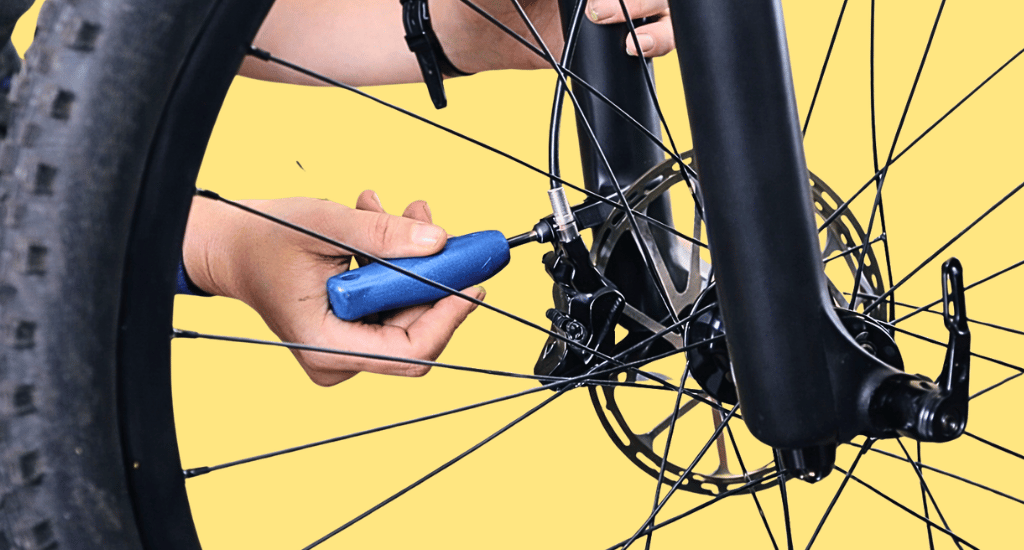
Misalignment often causes a repeating squeak or ping sound during wheel movement. To fix this, loosen the caliper bolts slightly so they can move freely.
Hold the brake lever to center the caliper over the rotor, then tighten the bolts again. This method helps both pads press the rotor evenly during braking. Proper alignment reduces vibration and improves braking control.
Step 5: Check and True the Rotor
Spin the wheel and watch the rotor closely to check for any side movement. Even a small bend can cause rubbing and lead to a loud squeal sound.
Use a rotor truing tool or a small adjustable wrench to fix the bend carefully. Apply gentle pressure and make small adjustments until the rotor spins straight. This step helps reduce uneven contact and prevents repeated noise.
Step 6: Bleed the Brake System (If Needed)
Air inside the brake system can reduce pressure and affect braking performance. This problem often shows as a soft or spongy brake feel with added noise.
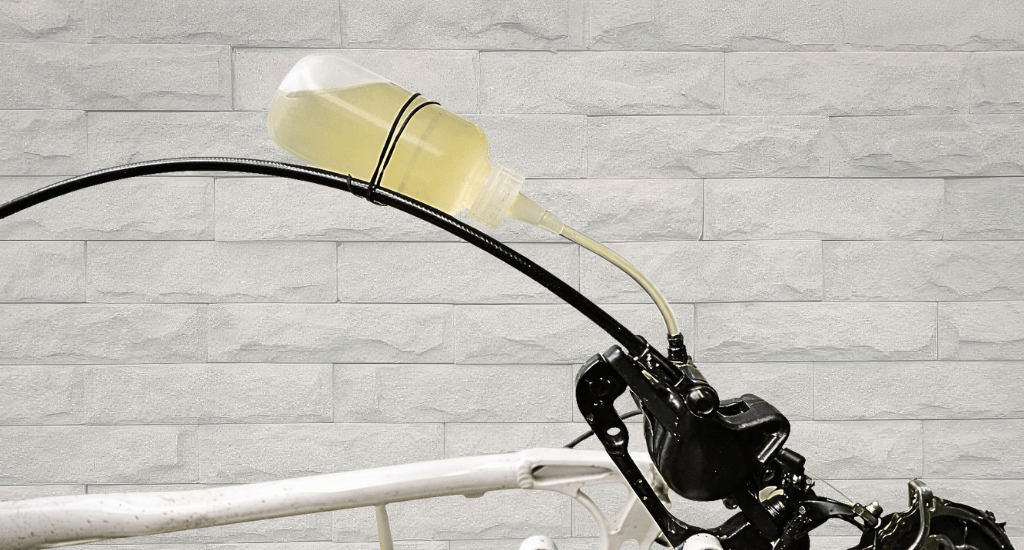
Bleeding the system removes trapped air and restores proper pressure inside the brake line. This step may require tools and some experience, so take care if you try it yourself.
Step 7: Use Anti-Squeal Products
Some products are made to reduce noise in disc brake systems effectively. Options like anti-squeal brake spray or products like Squeal Out can help reduce vibration.
These products are designed for bicycle disc brakes and work by improving contact between parts. They can help in cases where cleaning and alignment do not fully solve the issue.
Why Your Disc Brakes Still Squeal After Cleaning
Many riders feel confused when the noise stays even after proper cleaning and care. A clean rotor alone does not always solve how to stop brakes from squeaking. Some hidden issues remain and continue to create vibration during braking.
Pads Are Permanently Contaminated
Brake pads can absorb oil deep inside their material over time. Surface cleaning cannot remove this type of contamination once it spreads inside. These pads lose proper grip and continue to create noise during braking. The best solution in this case is to replace the pads completely.
Rotor Still Has Residue
A small amount of dirt or oil on the rotor can still cause noise. Even after one cleaning, some residue may remain on the metal surface. You should clean the rotor more than once using a proper cleaner and a fresh cloth each time. Repeat cleaning often helps solve this problem.
Hidden Alignment Issues
Slight caliper misalignment can go unnoticed during quick checks at home. Pads may not press evenly on the rotor, which creates vibration and noise. A careful disk brake alignment check often solves this issue.
Low-Speed Squeal
Many bikes produce noise at low speeds during light braking pressure. Less force allows small vibrations to become more noticeable and louder.
End Note
Brake noise usually comes from vibration caused by three main issues inside the system. Dirt, poor alignment, or worn parts can create uneven contact and lead to squeal. A simple check and proper care can often solve the problem.
Clean the rotor, align the caliper, and replace pads when needed to restore quiet braking. Regular maintenance can keep your brakes smooth and reliable. For stubborn noise, you should try proper cleaning methods or products like Squeal Out.
FAQs
Why do my disc brakes squeal on my mountain bike?
Disc brakes squeal mainly because of contamination, misalignment, or vibration between parts. Oil, dirt, or water reduces grip, while poor alignment creates uneven contact. These issues result in vibration, which produces that sharp and annoying noise during braking.
How do I stop my bicycle disc brakes from squealing?
Stop the noise by cleaning the rotor, sanding or replacing pads, and aligning the caliper correctly. Use a proper cleaner to remove dirt, check the pad condition, and ensure even contact. These simple steps usually fix most cases of how to stop brakes from squeaking.
Is disc brake squeal dangerous?
Disc brake squeal is usually not dangerous, but it can signal reduced braking performance. Noise often means poor contact or contamination, which lowers stopping power. Fix the issue early to maintain safe and reliable braking during regular rides.


