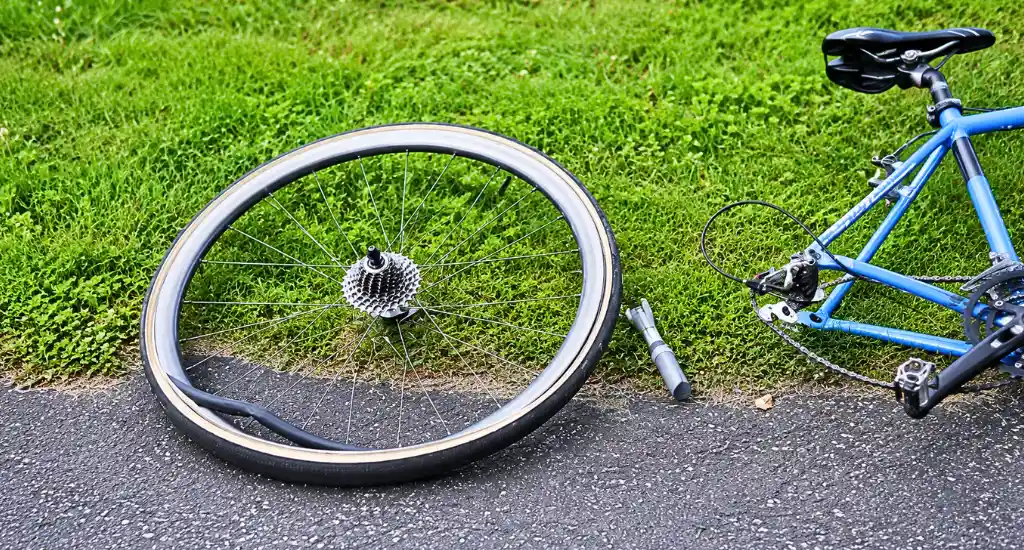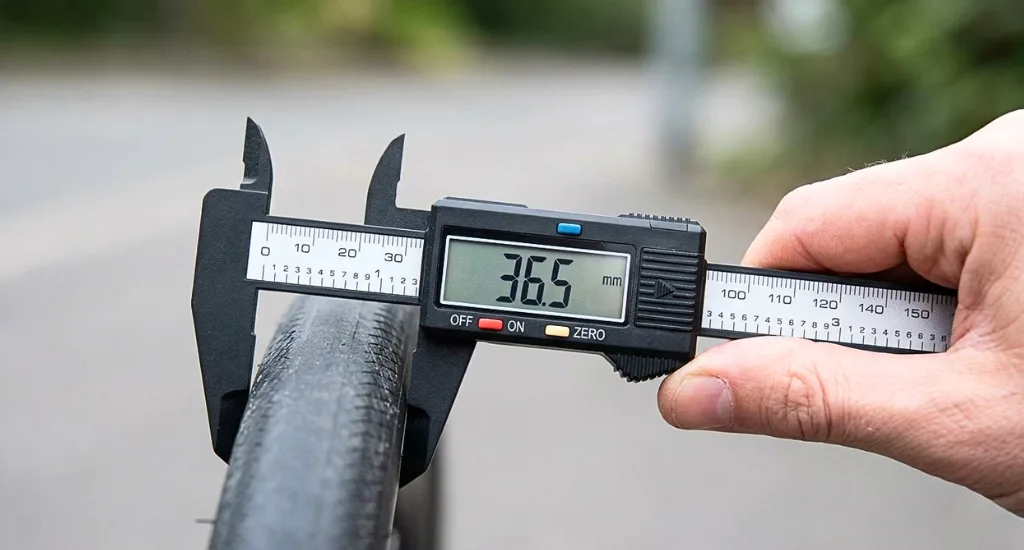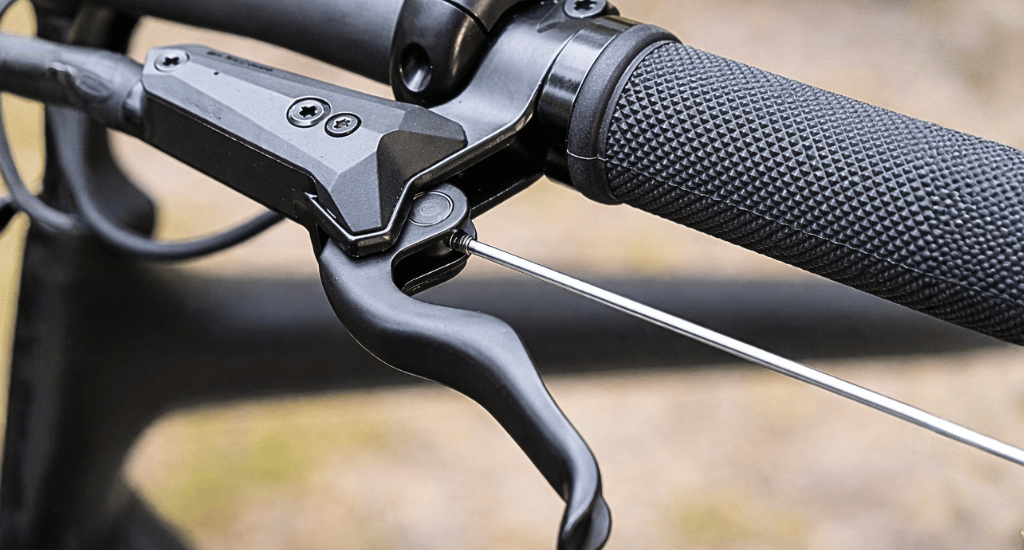
Brake levers that sit too far or feel too loose can make riding unsafe and stressful for new riders. This problem often comes from a poor setup, loose cables, or the wrong lever position.
You can fix this by turning the small reach screw with a 2mm or 2.5mm Allen key, or a flat screwdriver. Move the lever closer, adjust cable tension, and set the angle to match your hand position.
This guide will explain each step of the bicycle brake lever adjustment in simple terms, so you can adjust your brake levers with confidence and ride with better control.
Bicycle Brake Lever Adjustment (Step-by-Step Guide)
Brake lever setup may look small, but it changes how safe and smooth your ride feels. A few simple changes can improve control, reduce hand strain, and help you stop faster.
Step 1: Set the Brake Levers on the Handlebars First
Start by placing the brake levers in the correct spot before you tighten any bolts. This helps you find a natural and comfortable hand position without extra effort.
Hold the handlebars and check where your fingers rest on the lever during normal riding. Your wrist should stay straight, not bent up or down, while you hold the brake.
For road bikes, match the lever with the angle of the drop handle for smooth use. This setup helps your hands stay relaxed and ready during long rides.
Step 2: Adjust Brake Lever Reach (Distance from Handlebar)
Reach means the space between the brake lever and the handlebar grip. This small detail affects how easily your fingers can pull the brake during a ride.
Riders with small hands need the lever closer, while larger hands need more space. This change is quick, yet it improves comfort and control in a big way.
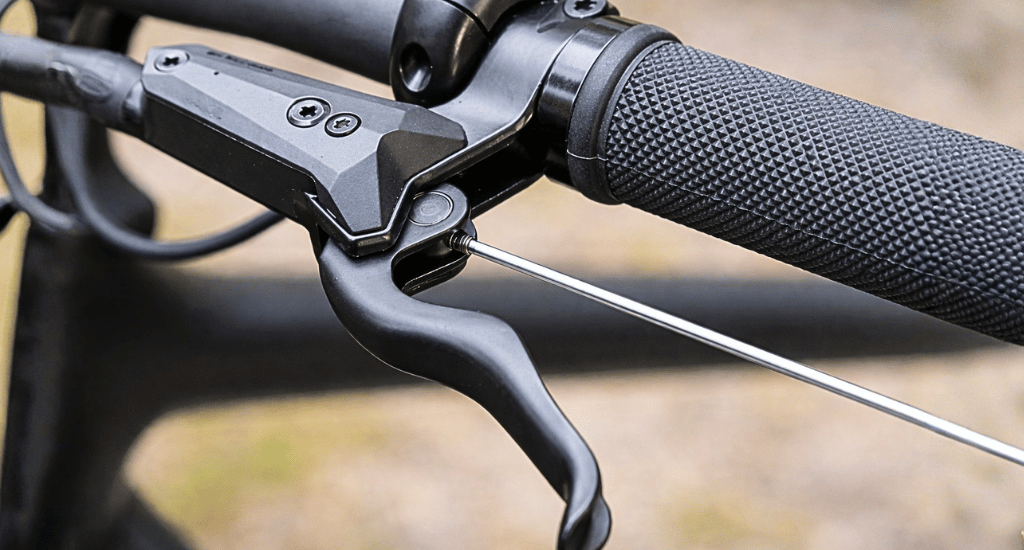
How to Adjust Reach
Look for a small reach adjustment screw near the lever pivot area on your brake. This screw controls how close or far the lever sits from your hand.
Turn the screw counterclockwise to bring the lever closer to the handlebar for easy grip. Turn it clockwise if you need more space for larger hands.
Tools You May Need
Most bikes use a 2mm Allen key for this small reach adjustment screw. Some brands like SRAM may need a 2.5mm Allen key for proper fit.
A small flathead screwdriver may work on certain brake levers, depending on the design. Always choose the correct tool to avoid damage to the screw.
Step 3: Adjust Brake Lever Angle (Position)
The angle of the brake lever affects wrist comfort and control during every ride. A wrong angle can cause pain and reduce your braking power.
For flat handlebars, set the lever with a slight downward tilt for natural hand flow. This position keeps your arms relaxed and helps you apply steady pressure.
On road bikes, keep a smooth line between the hood and the drop section of the bar. This setup allows easy hand movement without strain or awkward bending.
Step 4: Adjust Brake Bite Point (Brake Engagement)
The bite point is the moment when the brake pads touch the wheel and slow it. A good bite point gives you a fast response without pulling the lever too far.
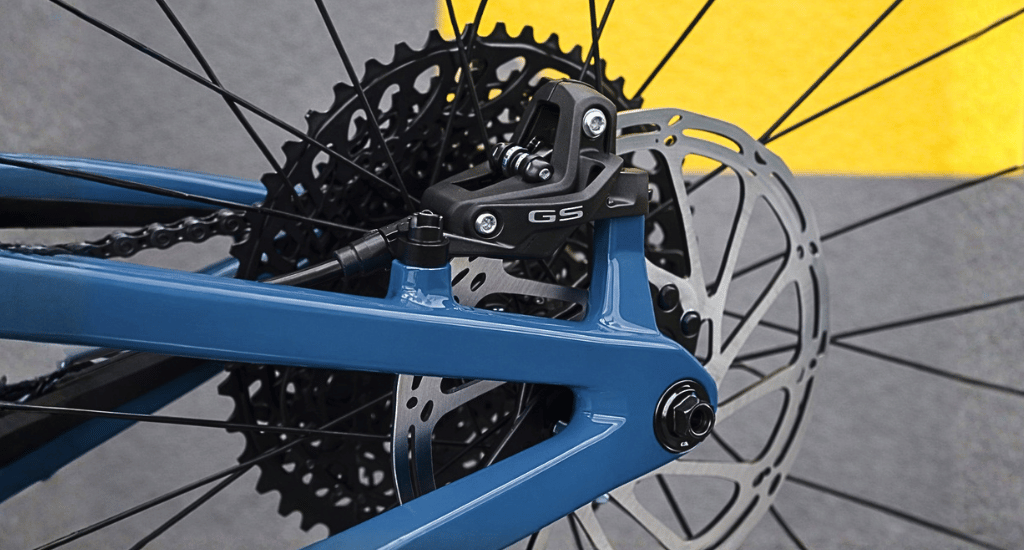
Mechanical Brakes
Use the barrel adjuster near the lever or brake caliper to control cable tension. Turn it slowly to tighten or loosen the cable for better brake response.
Hydraulic Brakes
Some hydraulic brakes include a dial to adjust lever travel and brake feel. These systems offer less change, so only small adjustments may be possible.
Step 5: Test and Fine-Tune
After setup, squeeze the brake levers to check comfort and braking strength. The lever should not touch the handlebars, and it should not feel too hard.
Spin the wheel and apply the brake to see how quickly it stops moving. Make small changes again if needed until the brake feels smooth and strong.
If you want to see some tips on mountain bikes, check our blog on adjusting mountain bike brakes in your free time.
Key Parameters for Perfect Brake Lever Setup
A proper brake lever setup depends on a few simple points that affect comfort and safety. When these settings match your hands and riding style, your bike feels easier to control.
Lever Reach
Lever reach should match your hand size so your fingers can pull the brake easily. If the lever sits too far, your grip feels weak and slow during sudden stops.
A closer lever helps riders with small hands keep full control without stretching fingers. Larger hands need a bit more space so the pull feels smooth and natural.
Lever Angle
The lever angle decides how your wrist sits while you ride and use the brakes. A good angle keeps your wrist straight and avoids pain during longer rides.
If the lever points too high or too low, your hands feel tired very fast. A slight downward tilt usually works well for most riders on flat handlebars.
Bite Point / Lever Travel
The bite point is where the brake starts to slow the wheel after you press. This point should come early enough to stop safely without pulling the lever too far.
If the lever comes too close to the handlebars, braking feels weak and unsafe. If it engages too early, the brake may feel too sharp and hard to control.
Brake Throw (Important Term)
Brake throw means the distance the lever moves before the brake starts to work. A shorter throw gives faster response and better control in busy or tight riding areas.
Common Bicycle Brake Lever Problems & Fixes
Brake lever issues can make your ride unsafe and uncomfortable if you ignore them for too long. Most problems come from small setup errors, and you can fix them with simple tools.
Brake Lever Too Far
A brake lever that sits too far makes it hard to pull the brake quickly. This problem affects riders with smaller hands and reduces control during sudden stops.
Fix this by turning the reach adjustment screw with a 2mm Allen key. Turn the screw slowly until the lever comes closer and feels easy to pull.
Brake Lever Too Close
A lever that sits too close may feel cramped and limit smooth finger movement. This setup can reduce braking control, especially for riders with larger hands.
Turn the reach screw in the opposite direction to move the lever away slightly. Make small changes until your fingers feel relaxed and balanced during use.
Spongy Brake Feel
A soft or spongy brake feel means the lever pulls too easily without strong stopping power. This issue often shows up when the brake system lacks proper tension or pressure.
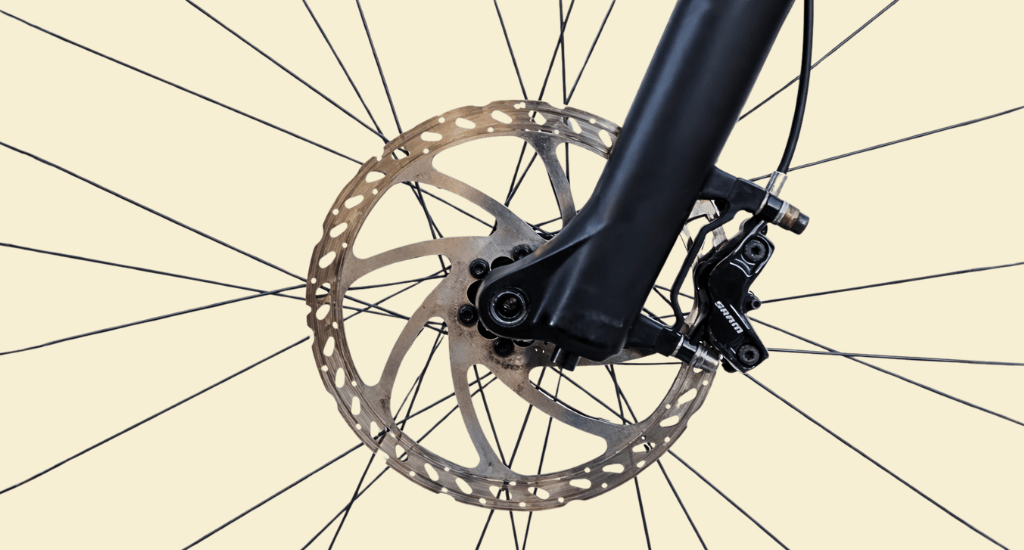
For hydraulic brakes, air inside the system may cause this problem, and bleeding may help. For mechanical brakes, tighten the cable using the barrel adjuster for better response.
Brake Lever Hits Handlebar
If the brake lever touches the handlebar, the brake cannot stop the bike properly. This issue creates a serious safety risk, especially during fast riding.
Increase cable tension to bring the brake pads closer to the wheel surface. You can also adjust the bite point so the brake engages earlier during lever pull.
Loose or Misaligned Lever
A loose or misaligned lever moves out of place and affects your grip and control. This problem can make braking feel uneven and uncomfortable during rides.
Reposition the lever to match your hand angle, then tighten the clamp bolt securely. Check the position again to make sure it stays stable during use.
End Note
Bicycle brake lever adjustment works best when reach, angle, and bite point match your hand and riding style. These small settings improve comfort, control, and braking response during every ride.
Small changes can create a big difference, so check each setting with care and patience. Test your brakes after every adjustment and make sure they work well before you ride.
FAQs
What is the ideal brake lever position?
The ideal brake lever position keeps your wrist straight and relaxed during normal riding. Your fingers should reach the lever easily without stretching, and the pull should feel smooth without any strain or pressure.
Why does my brake lever touch the handlebar?
Your brake lever touches the handlebar when the cable is too loose, or the bite point sits too far. This reduces braking power and control, so you should increase cable tension or adjust the bite point.
How to adjust hydraulic disc brake lever travel?
You can adjust hydraulic disc brake lever travel by using the built-in adjustment dial near the lever. Turn the dial slowly to change how far the lever moves before braking starts, if your brake model supports this feature.