
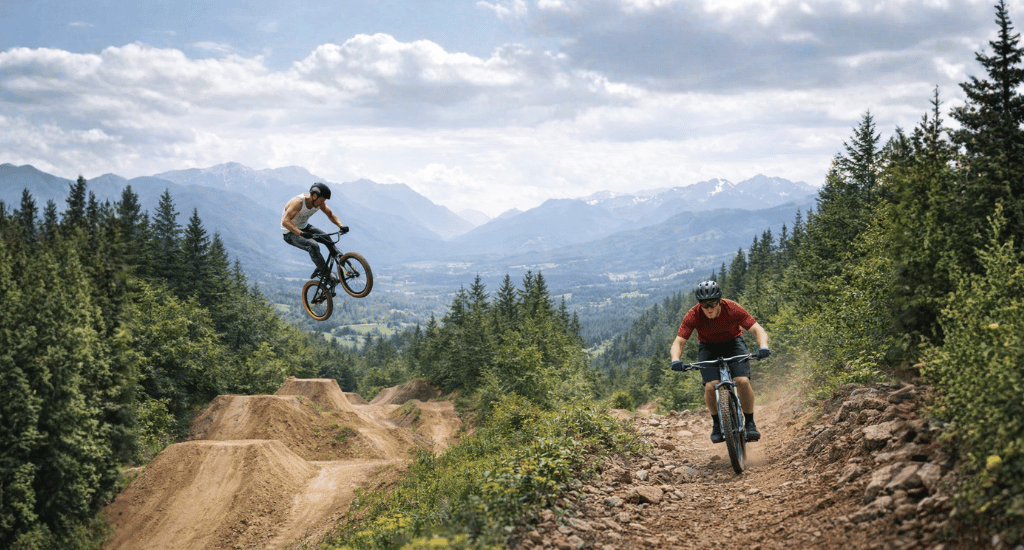
Speed or sweat decides the trail mood before the first turn. Mountain Bike vs Dirt Bike is a common topic among people who love off-road paths, rough ground, and time outside.
A mountain bike moves with leg power and builds fitness step by step. A dirt bike runs on an engine and gives loud speed and thrill. One asks effort. The other gives instant force.
This guide fits beginners, outdoor fans, and people who love fast action. Read this blog to learn which bike fits your body, budget, and place, and to pick the right path with ease.
Mountain Bike vs Dirt Bike (Main Comparison)
Mountain bikes and dirt bikes look alike but serve very different purposes. One depends on human effort and suits daily outdoor use. The other runs on an engine and focuses on speed and thrill. This section explains their real differences in a clear way.
Power Source & Riding Experience
Power shapes how each bike feels on dirt paths. Mountain bikes depend on body strength and steady effort. Dirt bikes rely on engines that push speed fast. This difference affects noise, control, trail access, and the overall ride feel.
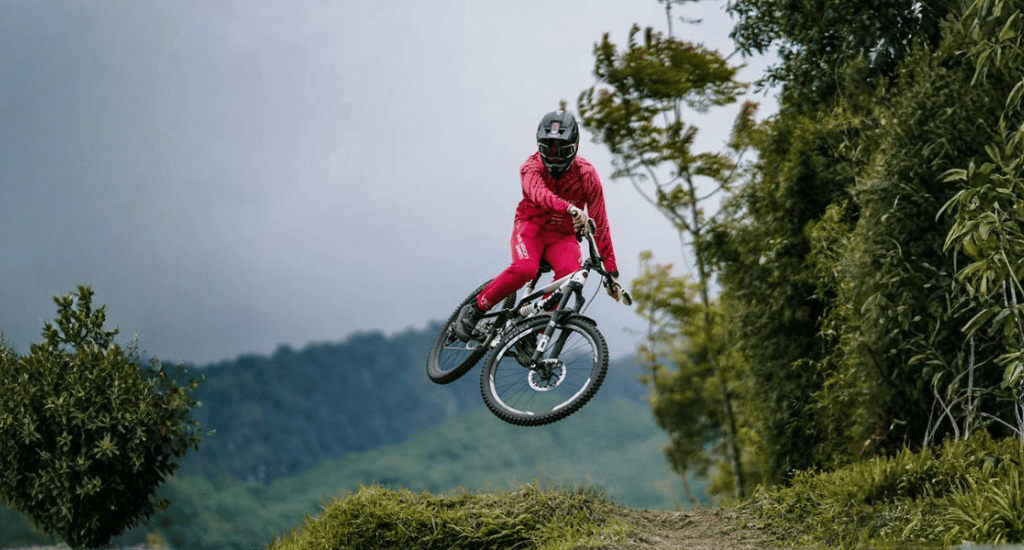
Mountain Bike (MTB)
A mountain bike moves with pedal power. The rider controls speed through leg force. Some bikes add electric help, called eMTBs, which assist on climbs. These bikes stay quiet and suit forests, parks, and shared trail systems.
Dirt Bike
A dirt bike runs on gas or electric power. The engine sends force straight to the wheels. Speed rises fast with a throttle twist. Loud sound and exhaust limit where these bikes can ride.
Weight & Handling Differences
Weight plays a big role in control and safety. Light bikes feel easy to turn and stop. Heavy bikes feel stable at speed but need strength and space. This affects how riders handle tight trails and sudden turns.
A mountain bike usually weighs 25 to 35 pounds. This helps riders lift it over rocks and turn fast on narrow paths. Stops feel quick and controlled. Carrying the bike also feels simple.
A dirt bike often weighs 200 to 300 pounds or more. This makes it about seven times heavier than a mountain bike. Stops take longer. Tight turns feel harder, especially on small trails.
Speed, Acceleration & Momentum
Speed comes from different sources on each bike. Dirt bikes gain speed through engines. Mountain bikes depend on body effort and land shape. This changes how momentum works across rough ground.
Dirt bikes reach high speeds fast. Engines keep momentum strong over sand, rocks, and hills. Riders use the throttle to maintain pace with less body effort.
Mountain bikes rely on leg force, downhill slopes, and trail flow. Speed fades on flat ground. Riders must push often to keep momentum across long sections.
Terrain Suitability
Trail type decides which bike works best. Rules also affect access. Some paths allow only quiet bikes. Others support engine use.
Mountain bikes fit cross-country trails, flow paths, downhill tracks, and mixed-use systems. Many parks allow them due to low noise and no fuel use. Riders often start close to home.
Dirt bikes suit motocross tracks, open land, steep hill areas, and motor-use zones. Public trails often block engine bikes, which limits riding locations.
Riding Techniques & Skill Transfer
Some skills work on both bikes. Balance and body position matter on rough ground. Suspension helps absorb bumps and land jumps safely.
Mountain bike riders lift wheels with arm and leg force. Line choice matters since throttle help does not exist. Dirt bike riders use the throttle for lift and mid-air control. Short videos show that the jump form looks similar on both bikes.
Physical Demands & Fitness
Each bike stresses the body differently. Fitness needs depend on the power source and weight. Mountain biking builds heart strength and leg power. Long rides test endurance. Every climb and flat section needs rider effort, which supports fitness growth.
Dirt biking uses less heart effort but needs strong arms and hands. Control of a 200-300-pound bike causes fast upper-body fatigue.
Cost, Maintenance & Accessibility
Money and transport affect how often riders use their bikes. Purchase cost is only one part. Care, fuel, storage, and travel also matter, especially for beginners with limited time and space.
Mountain Bike Costs
Mountain bikes usually cost less at the start. Prices vary by brand and parts. Care stays simple and low-cost. Most bikes fit on car racks or inside back seats, which supports short and frequent rides.
Dirt Bike Costs
A good dirt bike often costs $3,000 to $5,000 or more. Fuel, oil, and engine care add expense. Transport often needs a pickup truck or trailer, plus access to legal riding zones.
Key Differences at a Glance: Mountain Bike vs Dirt Bike
This quick comparison shows the main differences between mountain bikes and dirt bikes. It helps readers see weight, power, speed, purpose, and access limits at once, without long explanation or technical detail, for easy choice.
|
Feature |
Mountain Bike (MTB) |
Dirt Bike |
| Weight | Around 30 lbs | Around 200-300+ lbs |
| Power | Pedal-powered | Engine-powered |
| Speed | Limited by fitness and gravity | Fast acceleration and high speed |
| Purpose | Fitness, outdoor travel, skill growth | Thrill, speed, and action riding |
| Accessibility | Ride straight from home | Needs transport and legal riding areas |
Which Is Better for Different Types of Riders?
Every rider has a different goal, body limit, and place to ride. This section explains which bike fits best based on lifestyle, budget, fitness level, and riding style. The aim is to help readers match the bike with real needs.
Beginners and First-Time Riders
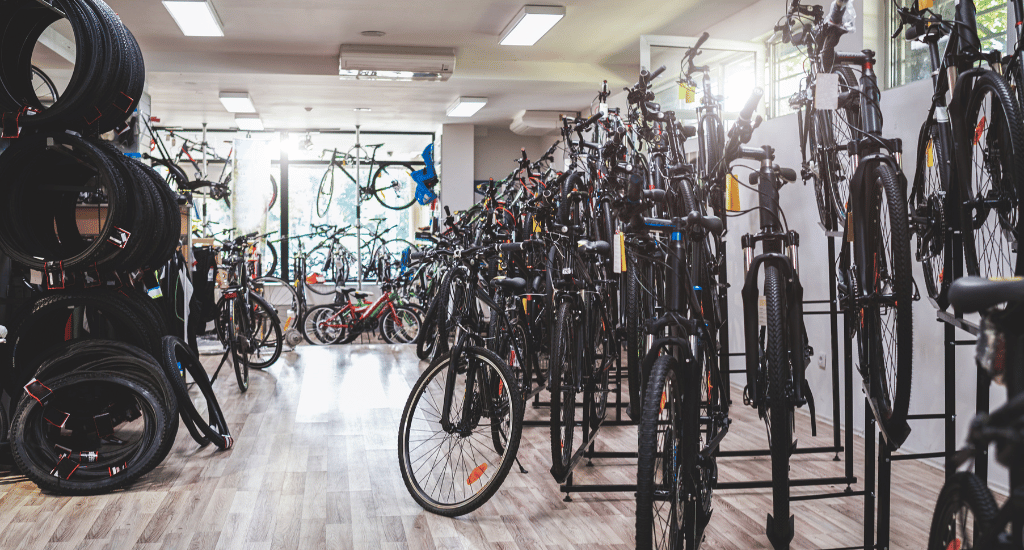
Mountain bikes suit beginners better due to simple control and lower risk. Speed stays manageable, and trails feel forgiving. Riders can stop anytime and rest. Dirt bikes feel powerful and may overwhelm new riders without engine or balance experience.
Fitness and Health-Focused Riders
Mountain bikes support fitness goals through steady leg use and long rides. Heart strength improves over time. Riders stay active during the full ride. Dirt bikes demand less body effort and focus more on control than physical conditioning.
Adrenaline and Speed Lovers
Dirt bikes fit riders who seek fast action and strong thrills. Engines deliver quick power and loud energy. Speed builds without long effort. Mountain bikes feel calmer and depend on terrain for excitement rather than raw force.
Riders With Limited Time or Space
Mountain bikes work well for short rides close to home. Storage stays easy, and transport needs remain low. Dirt bikes require travel planning, fuel, and legal riding spots, which reduces ride frequency for busy riders.
Budget-Conscious and Practical Riders
Mountain bikes cost less at the start and need simple care. Most expenses stay predictable. Dirt bikes often cost $3,000 to $5,000 or more, plus fuel and maintenance, which raises long-term spending.
End Note
A mountain bike builds strength through pedal power and steady effort. A dirt bike delivers fast action through engine force and speed. Each bike serves a clear purpose. One supports fitness and daily outdoor rides. The other focuses on thrill and raw power.
No bike wins for everyone. The right choice depends on terrain access, budget, fitness goals, and ride style. Think about where you can ride, how much you can spend, and the experience you want each time.
FAQs
Is a dirt bike easier to ride than a mountain bike?
Yes, a dirt bike feels easier on steep climbs and open ground due to engine power. Control feels harder because the bike weighs over 200 pounds. Stops, turns, and tight trails need strength and experience.
Are mountain bikes suitable for long rides?
Yes, mountain bikes work well for long rides, especially on cross-country trails. Riders can control pace, rest when needed, and ride for hours. Lightweight and pedal power support steady travel across mixed terrain.
Are dirt bikes allowed on regular trails?
No, dirt bikes usually are not allowed on regular trails. Many public paths allow only non-motor bikes. Dirt bikes must use motor-approved areas such as motocross tracks or open riding zones set by local rules.


