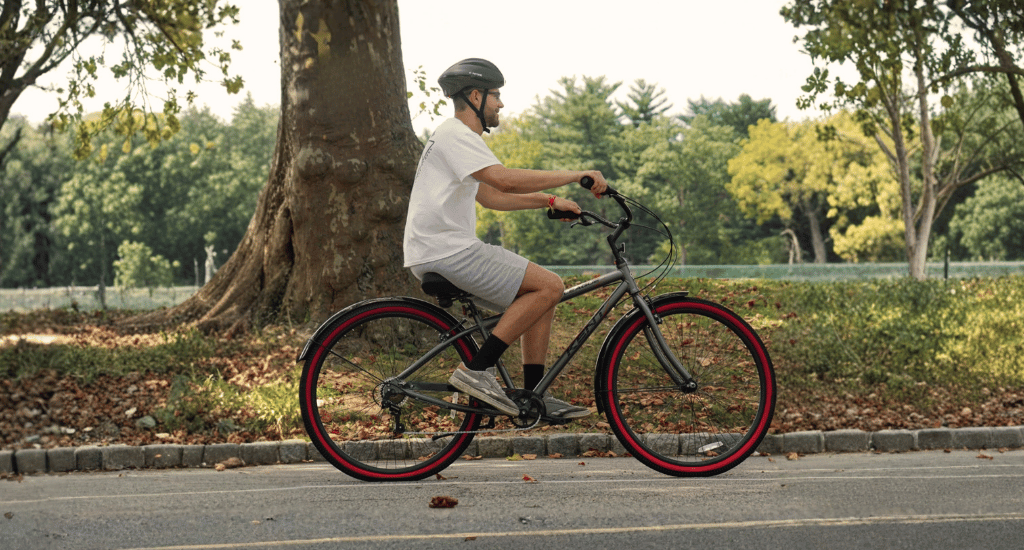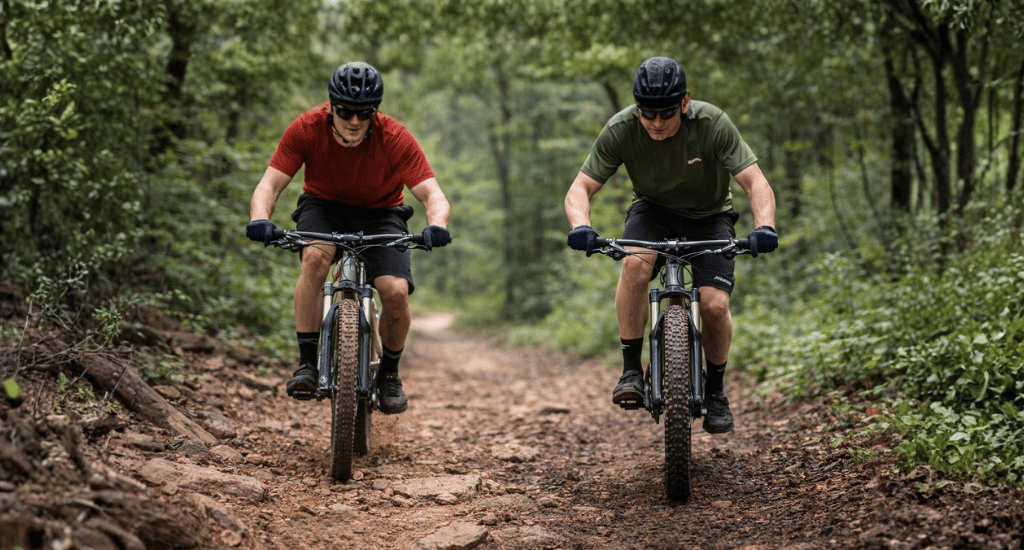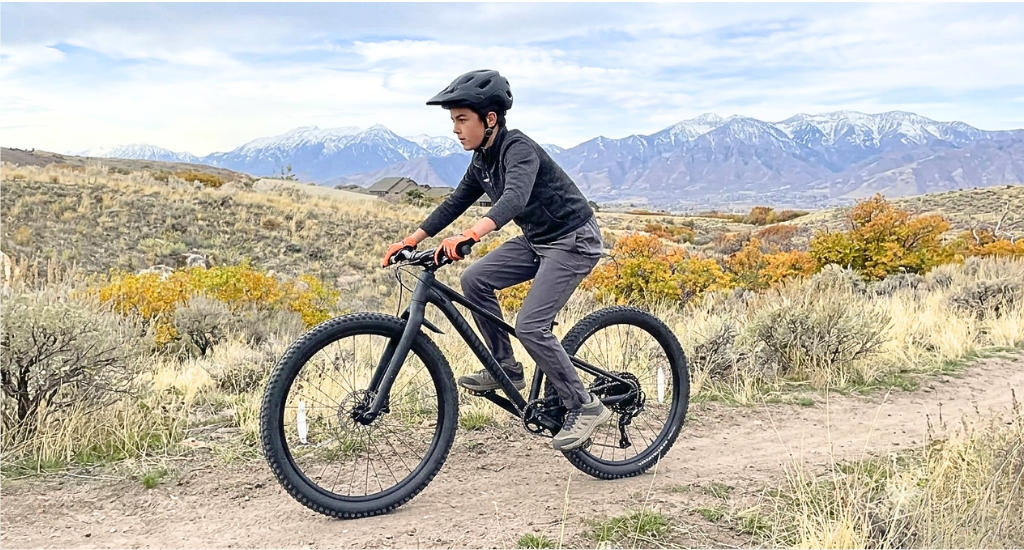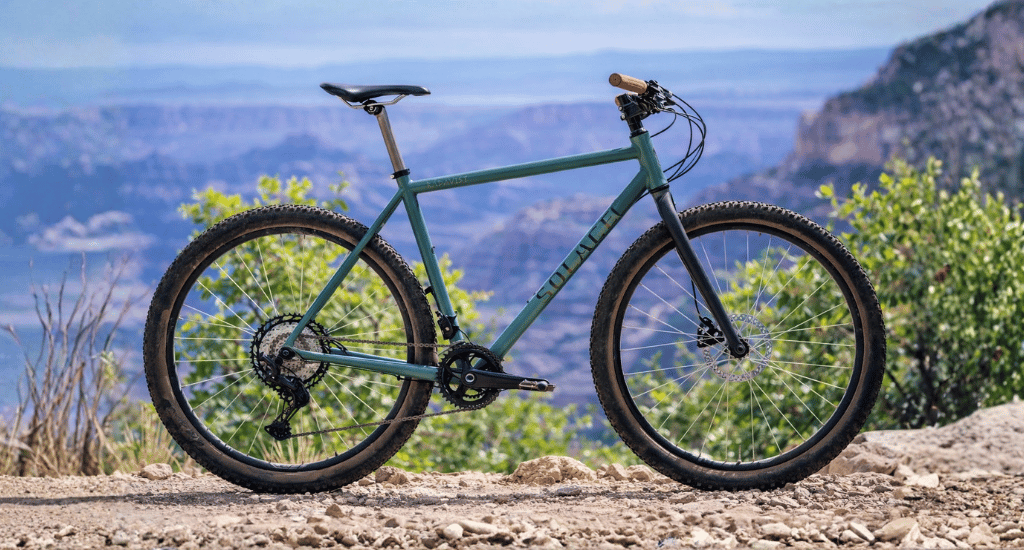
City streets often plant a bold thought in many riders: can you convert a hybrid bike to a mountain bike and still enjoy real trails? A hybrid bike is a blend of road and mountain bike features, designed to offer a smooth ride on various terrains. A mountain bike suits rough paths, rocks, and deep dirt. A hybrid bike feels best on roads and light tracks.
Many riders try this path due to the budget. New mountain bikes cost a lot. Hybrid bikes are lighter than mountain bikes, so they feel less stable on hard trails. Still, small upgrades help on simple paths.
This guide suits casual trail riders and budget cyclists. Read this blog to learn what works, what fails, and where limits stay.
Gear Needed to Adjust Front Suspension on a Mountain Bike
Proper tools make suspension setup easy and safe. These items help set the correct air pressure, check the sag, and match factory settings. Without them, the fork setup turns into guesswork and may cause poor comfort or loss of control.
- Suspension pump with pressure gauge: Adds air to the fork and shows exact pressure for rider weight.
- Measuring tape or sag indicator: Checks how much the fork sinks under body weight.
- Zip tie or O-ring: Marks fork movement to see real travel after sitting on the bike.
- Owner’s manual or fork manufacturer specs: Gives correct pressure range and setup advice for your fork model.
- Clean cloth: Wipes dust from the fork so the sag marks stay clear and visible.
How to Convert a Hybrid Bike to a Mountain Bike (Step-by-Step)
A hybrid bike cannot turn into a true mountain bike, but smart changes improve trail comfort. These steps focus on grip, control, and safety. Each upgrade has limits. The frame still decides how far the bike can go.
Check Frame
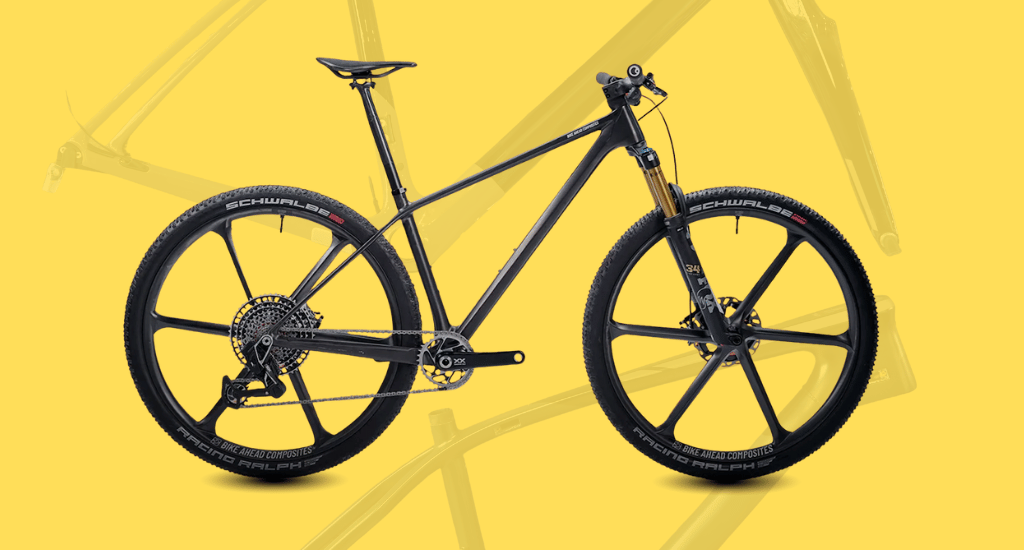
Start with the frame. Most hybrid frames feel light and stiff. They suit roads and light dirt paths. Thick trails with rocks can stress the frame. Look at tire clearance first. If the frame cannot fit wider tires, the trail control stays weak.
Better Tires
Tires change the ride feel more than any other part. Use wider, knobby MTB tires for dirt grip. Many hybrids fit 700c wheels. You can work with 29″ tires. For better balance, swap rims to 27.5″ (650b) to keep outer size close.
New Handlebars
Flat or riser bars give better steering on trails. Drop bars feel unsafe on rough ground. Wider bars keep arms steady. Riser bars lift posture and reduce strain on back. Control improves on loose dirt and uneven paths.
Stronger Brakes
Rim brakes struggle in mud and rain. Disc brakes offer better stopping power. Some hybrid frames support disc mounts. If not, rim brakes still work on dry trails. Use quality brake pads for better grip and shorter stops.
Riding Setup
A comfy saddle helps on long rides. Trail pedals with pins hold shoes in place. Adjust seat height for easy control while standing. Upright posture suits dirt paths better than deep racing posture.
Suspension Choice
Most hybrids lack front suspension. Adding a fork costs a lot and adds weight. Cheap forks feel weak and unsafe. Avoid suspension upgrades unless the frame supports it. A Specialized Cirrus hybrid with drop bars and small gears suits gravel better than rocky trails.
Essential Components to Upgrade for Off-Road Riding
Trail riding places more stress on a bike than city roads. Some parts face more pressure, dust, and impact. These upgrades improve control, safety, and comfort on dirt paths. They do not turn a hybrid into a full mountain bike, but they make rides safer.
Tires and Wheels
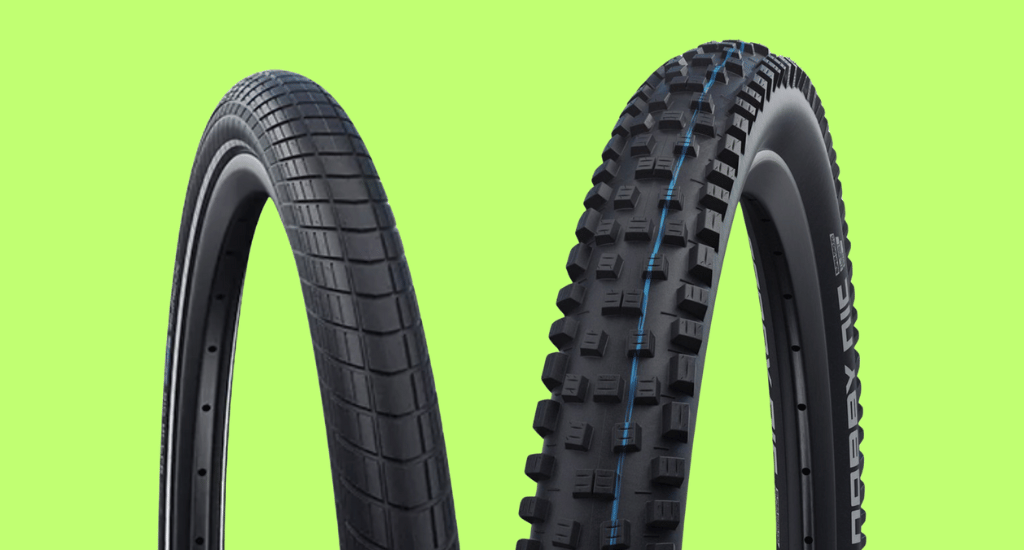
Tires shape how the bike feels on dirt. Stock hybrid tires feel smooth and thin. They slip on loose soil and wet ground. Wider MTB-style tires with small knobs add grip and balance. Most hybrids use 700c wheels, which match 29″ MTB tires. You can also swap rims to 27.5″ (650b) to keep outer size close and improve control.
Brakes
Brakes matter more off-road due to fast stops and uneven surfaces. Rim brakes lose power in rain and mud. Disc brakes perform better in bad weather. Some hybrid frames support disc mounts, others do not. If rim brakes stay, high-quality brake pads improve grip and reduce stopping distance.
Drivetrain
The drivetrain controls speed and climbing ability. Hybrid bikes often use narrow gear ranges. Trails need easier gears for hills. A wider cassette helps. A strong derailleur keeps chain tension steady. A fresh chain reduces slips under load and keeps shifting smoothly on rough paths.
Pedals and Grips
Flat trail pedals with metal pins hold shoes firmly. This prevents foot slips on bumps. Soft rubber grips reduce hand strain and absorb shock. Lock-on grips stay secure and do not twist during rough rides.
Protective Add-ons
Dirt and stones damage frames over time. A simple chain guard protects paint and parts. Clear frame tape shields key areas from scratches. These small add-ons extend bike life and reduce repair costs.
Cost Breakdown: Is Converting a Hybrid Bike Worth It?
Upgrading a hybrid bike for off-road trails does not always stay cheap. Some parts cost small amounts, others add up fast. Before work begins, it helps to know real price ranges and compare them to a new bike choice. This section shows rough numbers so riders can decide with a clear cost view.
Estimated Cost of Basic vs Advanced Upgrades
Basic parts like knobby tires cost about $40 to $80 per tire. New brake pads add $15 to $40. A wider cassette set runs $50 to $100. Advanced items like quality disc brakes or a light suspension fork sit near $150 to $300 plus. Total basic setup stays near $150 to $300. An advanced build can reach $400 to $700.
Conversion Cost vs Entry-Level Mountain Bike
Entry-level mountain bikes often cost $500 to $900 new. A full conversion with top parts can match that price. A trimmed conversion stays well below a new MTB price. But a build with many advanced parts can hit the same cost as a new ride built for trails.
When Conversion Makes Financial Sense
Conversion makes sense if the hybrid has good frame health, wheels in good shape, and you buy parts one step at a time. You save cash with second-hand parts and local deals. Simple upgrades give a better trail feel at a low cost.
Hidden Costs Beginners Often Overlook
Tools like a good torque wrench can cost $30 to $60. Fresh grips, pedals, and cables add small prices that add up. Fees for bike shop labor add more to the final cost. Plan for these before starting your upgrade project.
Limitations and Risks of Converting a Hybrid Bike
A converted hybrid bike can feel fun on light trails, but real limits always stay. These limits affect safety, comfort, and long-term use. Riders should know these risks before pushing a hybrid beyond its design.
Frame Strength and Durability Limits
Hybrid bikes are lighter than mountain bikes. Their frames lack extra reinforcement for jumps, drops, and rock hits. Repeated impact can cause cracks over time. Even strong aluminum frames may bend under stress from rough trails.
Lack of True Suspension Performance
Most hybrids use rigid forks. Some accept suspension forks, but budget models feel weak. Travel stays short and absorbs little shock. On rocky paths, arms take more impact, which causes fatigue and poor control.
Safety Concerns on Technical Trails
Steep descents, sharp turns, and loose gravel demand stable geometry. Hybrid bikes have steeper angles and thinner tubes. This raises crash risk. Brakes may overheat on long slopes, especially rim brake setups.
Terrain Types You Should Avoid
Avoid downhill tracks, jump parks, rock gardens, and muddy forest trails. Deep roots and wet stones cause tire slip. These surfaces need strong suspension, wide tires, and low gearing.
When It’s Better to Buy a Mountain Bike Instead
If rides include steep hills, frequent drops, or fast descents, buy a real mountain bike. Entry-level MTB models cost more, but provide safer frames, better brakes, and proper suspension for long-term trail use.
Conclusion
Converting a hybrid bike to a mountain bike can improve comfort, grip, and control on light trails. Simple upgrades like wider tires, better brakes, and handlebars make casual dirt paths more enjoyable without buying a new bike.
Riders should keep realistic expectations when they convert a hybrid bike to a mountain bike. It works best for casual trail riders and budget-conscious cyclists. Avoid technical terrain, upgrade gradually, and ride safely. Smart, small changes give better fun and control without risking the bike or the rider.