
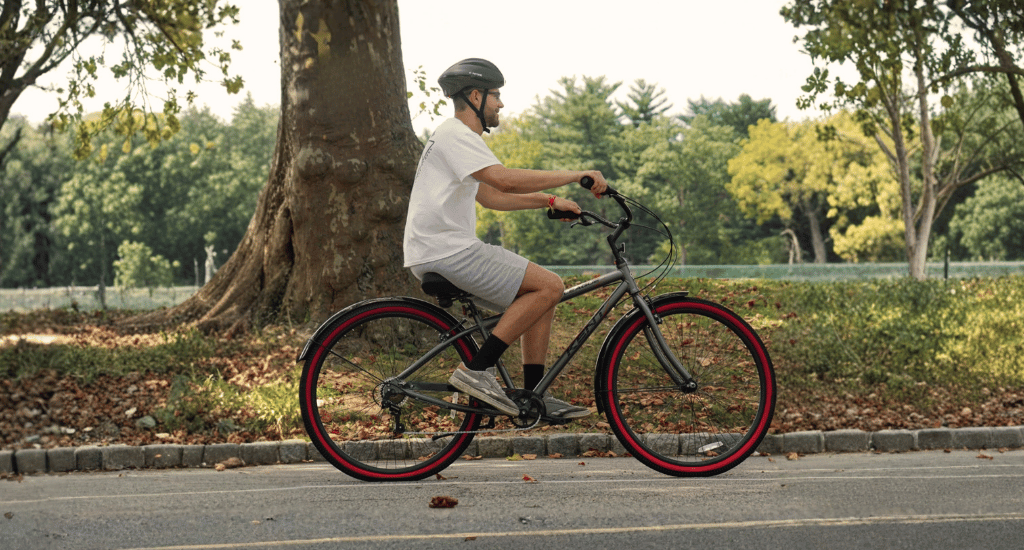
Imagine riding a bike that feels soft, easy, and made for fun. A mountain bike to cruiser conversion changes your rugged mountain bike into a smooth, relaxed ride. Mountain bikes are strong and built for trails, while cruisers focus on comfort with wide seats, upright handlebars, and smooth tires.
People choose cruiser style for casual city rides or slow weekend trips. The upright posture and soft ride make every journey easier on your back and arms.
This conversion is budget-friendly and beginner-friendly. Read this blog to learn simple steps to enjoy a comfy, stress-free cruiser ride.
How to Convert a Mountain Bike to a Cruiser
Changing your mountain bike into a cruiser is easier than it sounds. By swapping a few key parts like handlebars, seat, and tires, you can enjoy a smooth, relaxed ride without spending much money or needing expert skills.
Replace the Handlebars
Cruiser handlebars are wide and curve back toward you. This lets you sit upright and ride comfortably. Carefully remove your old mountain bike handlebars, then install cruiser bars. Make sure the grips are secure so your hands feel steady while riding.
Add a Comfortable Seat
Mountain bike seats are narrow and hard. Switch to a wider, cushioned cruiser seat. Adjust the height so your feet touch the ground easily. A soft seat reduces pressure on your hips and back during longer rides.
Adjust the Stem
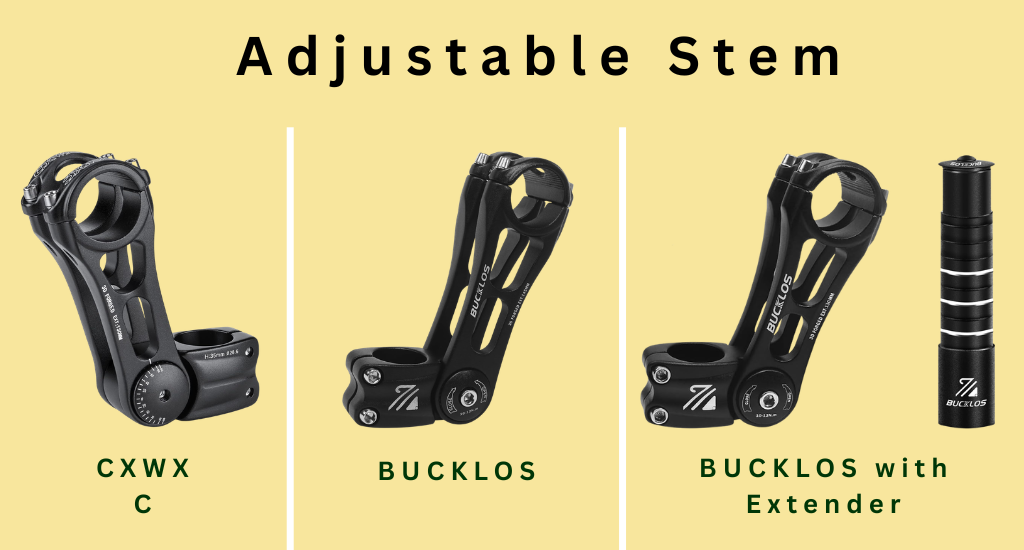
A higher stem raises the handlebars, improving posture. Loosen the current stem and move it up, or replace it with a taller one. This change helps you sit upright and enjoy a relaxed ride without leaning forward.
Here are the top 3 stems we found on Amazon for your convenience:
| Product | Clamp Size | Angle | Material | Price |
|---|---|---|---|---|
| CXWXC Adjustable Stem | 31.8mm | Multi-degree | Aluminum | Check on Amazon |
| BUCKLOS Adjustable Stem | 31.8mm | Multi-angle | Aluminum | Check on Amazon |
| BUCKLOS Adjustable Extender | 31.8mm | Multi-angle | Aluminum | Check on Amazon |
Swap the Tires
Cruiser bikes use smooth, wide tires for easy rolling. Replace your knobby mountain bike tires with wider, slick tires or add white-wall tires for style. This gives a smoother ride on streets and sidewalks.
Check the Chain
Cruiser and BMX bikes often have wider chains than multi-speed mountain bikes. Make sure your chain fits well with your new setup. Lubricate it lightly to keep pedaling smooth and quiet.
Add a Kickstand (Optional)
A sturdy kickstand keeps your cruiser upright when parked. Mountain bikes sometimes lack one, so install a strong kickstand that fits your frame. This small change adds convenience for casual stops.
Key Differences Between a Mountain Bike and a Cruiser Bike
Mountain bikes and cruiser bikes may look alike at first, but they are made for very different purposes. Mountain bikes are strong and built for rough trails, while cruisers are made for smooth, casual rides.
Knowing the differences helps you understand why converting a mountain bike into a cruiser makes riding easier and more comfortable.
Riding Posture
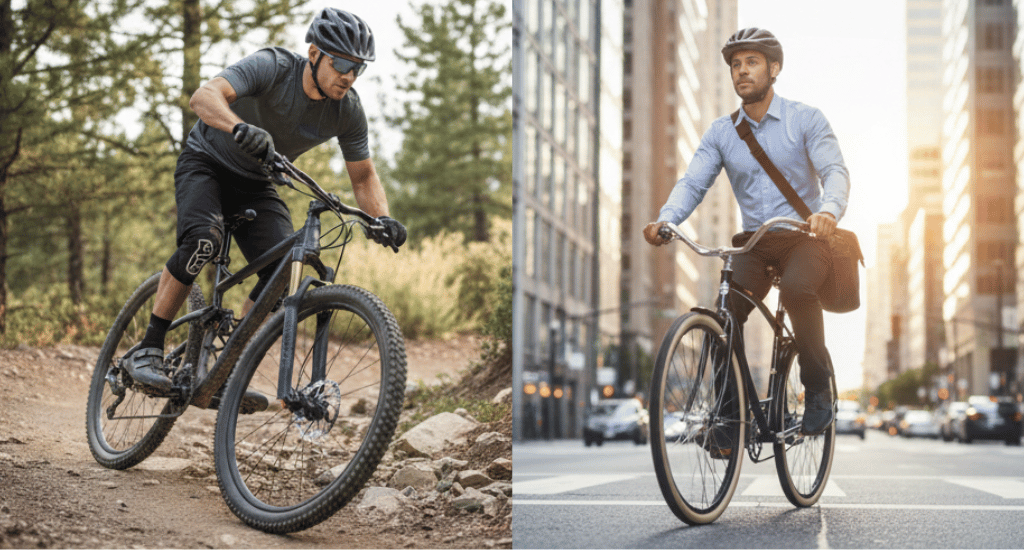
On a mountain bike, you lean forward to control the bike on rocks, hills, and rough trails. This posture provides power and balance, but can strain your back and arms. Cruiser bikes let you sit upright with relaxed shoulders. This posture reduces strain and makes casual riding enjoyable for longer periods.
Tire Width and Tread
Mountain bike tires are thick and knobby. The knobs dig into dirt and rocks for grip on rough terrain. Cruiser tires are wider but smooth, designed to roll easily on streets and sidewalks. Wider tires also help absorb small bumps, giving a soft, stable ride.
Frame Geometry
Mountain bike frames have sloped top tubes and strong designs to handle shocks and jumps. Cruiser frames are simple and curvy, with a relaxed shape. The curved frame lets you sit back comfortably while pedaling without leaning forward, making rides easier on your back and arms.
Intended Terrain
Mountain bikes are made for trails, hills, and uneven paths. They handle dirt, gravel, and obstacles well. Cruiser bikes are for flat surfaces like streets, sidewalks, or boardwalks. Their design makes riding smooth and easy, but not ideal for rough trails.
Speed vs Comfort Comparison
Mountain bikes focus on speed, control, and the ability to handle tough terrain. Cruisers focus on comfort, relaxed posture, and easy riding. By converting a mountain bike to a cruiser, you trade some speed for smoother, stress-free rides perfect for city streets or casual outings.
Best Components to Upgrade for a Cruiser-Style Ride
Upgrading a few key parts can turn your mountain bike into a cruiser that is comfortable, smooth, and fun to ride. Small changes make a big difference in posture, comfort, and style.
Handlebars (Mustache, Cruiser, Beach Bars)
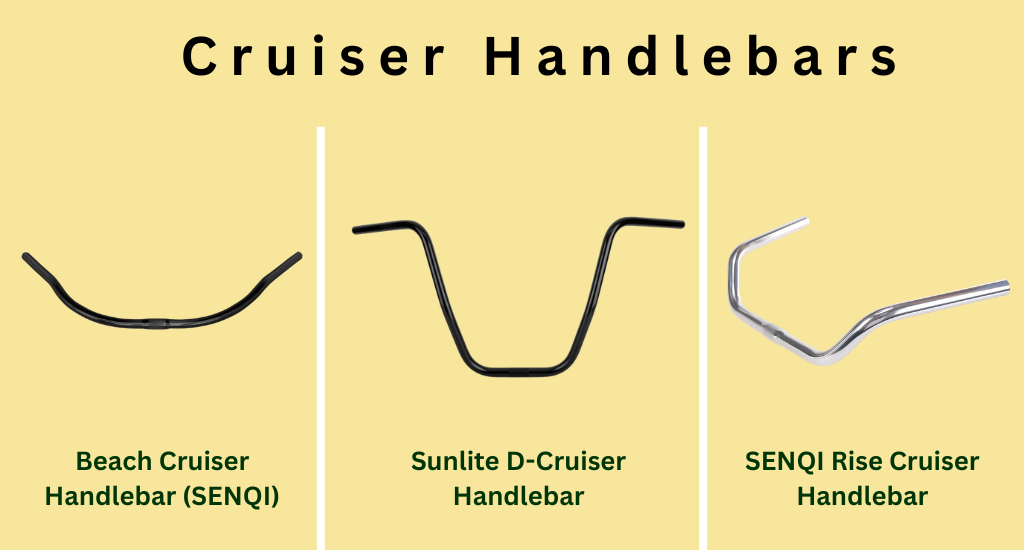
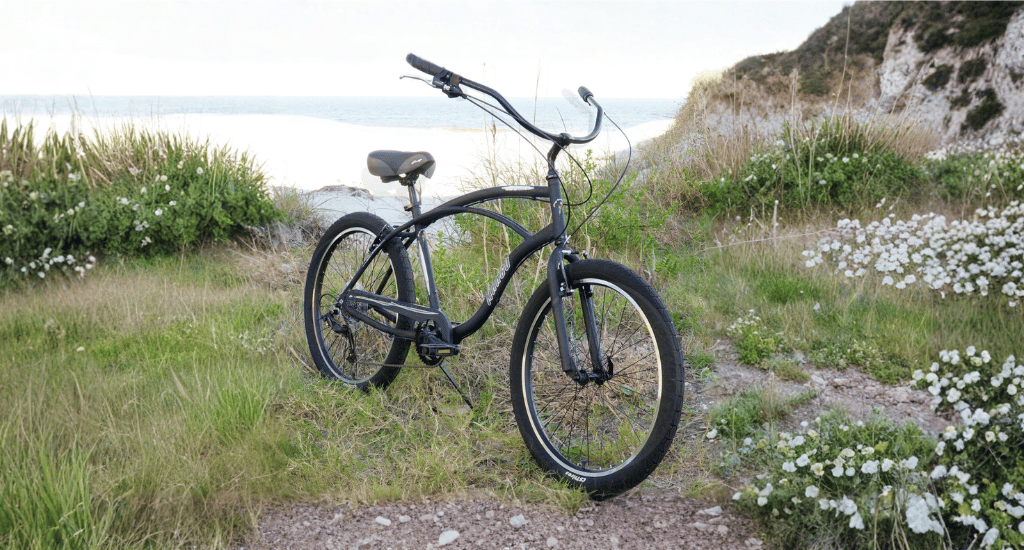
Cruiser handlebars let you sit upright and ride comfortably. Mustache bars curve slightly for relaxed control, while beach bars are wide and sweep back for casual rides. Choose bars that keep your arms relaxed and your shoulders comfortable.
| Handlebars | Material | Clamp | Width | Price |
|---|---|---|---|---|
| Beach Cruiser Handlebar (SENQI) | Aluminum Alloy | 25.4mm | 660mm | Check on Amazon |
| Sunlite D-Cruiser Handlebar | Steel, Chrome | 7/8″ (22.2mm) | 32″ / 13.5″ rise | Check on Amazon |
| SENQI Rise Cruiser Handlebar | Aluminum Alloy | 25.4mm | 550mm | Check on Amazon |
Saddles and Seat Posts
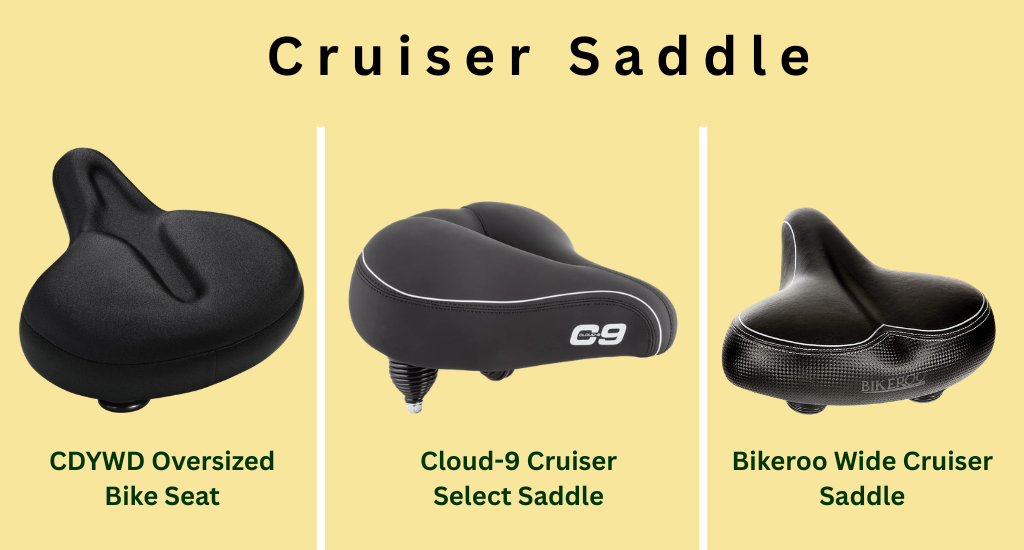
Mountain bike seats are narrow and hard. Switch to a wide, cushioned cruiser saddle. A taller seatpost or an adjustable post helps you sit upright. This upgrade makes longer rides gentle on your back and hips.
| Product | Type | Suspension | Best For | Price |
|---|---|---|---|---|
| CDYWD Oversized Bike Seat | Noseless, extra wide | Padded cushion | Cruiser, e-bike, stationary | Check on Amazon |
| Cloud-9 Cruiser Select Saddle | Wide cruiser | Spring suspension | Casual cruising | Check on Amazon |
| Bikeroo Wide Cruiser Saddle | Wide with springs | Dual spring suspension | Long comfort rides | Check on Amazon |
Tires and Tubes
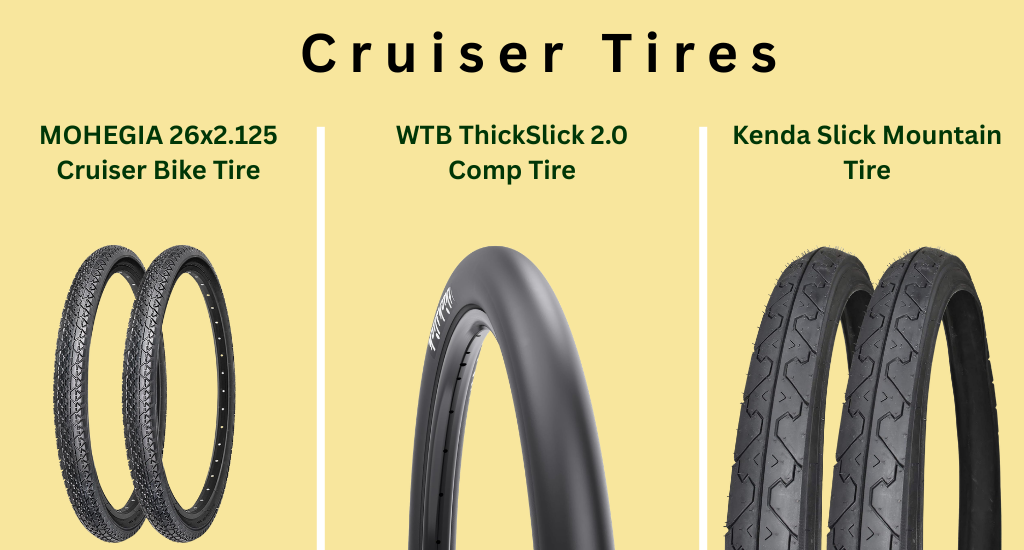
Cruiser tires are smooth, wide, and roll easily on pavement. Replace your knobby mountain tires with slick or white-wall tires. Also, choose tubes that fit well and stay inflated for a soft, stable, and safe ride.
| Product | Size | Tread | Best For | Price |
|---|---|---|---|---|
| MOHEGIA 26×2.125 Cruiser Bike Tire | 26″ x 2.125″ | Smooth cruiser | Cruiser replacement | Check on Amazon |
| WTB ThickSlick 2.0 Comp Tire | 26″ x 2.0″ | Slick, flat-resistant | Street/pavement | Check on Amazon |
| Kenda Slick Mountain Tire | 26″ x 1.95″ | Slick | Smooth road conversion | Check on Amazon |
Pedals (Platform vs Clipless)
Platform pedals are wide and let your feet rest comfortably. Clipless pedals attach to your shoes, giving more control but less casual comfort. For a cruiser feel, platform pedals are easier and more relaxed for city rides.
Grips and Accessories (Fenders, Basket, Bell)
Soft grips reduce hand fatigue on long rides. Add fenders to protect from splashes, a basket for carrying items, and a bell for safety. These simple accessories improve comfort, convenience, and style for a true cruiser experience.
Cost Breakdown and Budget Tips for Conversion
Converting a mountain bike to a cruiser can be done on a small budget or with higher-end parts. Low-budget conversions can cost $80 to $150, while premium upgrades may cost $300 to $400, depending on the components.
Some parts are worth spending more on for comfort and durability. A good cruiser saddle, quality handlebars, and smooth tires make a big difference in ride experience. These items last longer and make the bike feel more like a proper cruiser.
You can save money by reusing existing components. Many mountain bike parts, like the frame, brakes, and pedals, can stay. Only upgrade the parts that directly affect comfort and style.
DIY conversions are usually cheaper, costing just for parts. Bike shop labor adds $50 to $100 or more. Doing it yourself gives hands-on experience and control, while professional help ensures everything is fitted safely.
Common Mistakes to Avoid When Converting a Mountain Bike
Even simple conversions can go wrong if you’re not careful. Knowing the common mistakes helps you save time, money, and effort while ensuring your mountain bike becomes a comfortable, safe cruiser.
1. Over-Raising Handlebars
Raising the handlebars too high can make the bike unstable. It may feel comfortable at first, but it can cause wobbling or control issues. Adjust in small steps and test before final tightening.
2. Ignoring Frame Compatibility
Not all frames fit cruiser components. Check your mountain bike frame before buying wide handlebars or a new seat post. Poor fit can make installation difficult and affect ride safety.
3. Using the Wrong Tire Size
Choosing tires that are too big or too small can affect balance and braking. Match your new cruiser tires to your wheel size and make sure there is enough clearance in the frame.
4. Skipping Test Rides
Test rides are important to feel the new setup. Skipping them may hide issues like uncomfortable posture, loose components, or poor braking. Ride slowly at first and make adjustments as needed.
5. Making All Upgrades at Once
Changing everything at once can be confusing and expensive. Upgrade parts step by step, starting with handlebars, seat, and tires. This helps you adjust gradually and avoid mistakes.
Conclusion
Converting a mountain bike to a cruiser lets you enjoy smooth, relaxed rides without buying a new bike. Streets, boardwalks, and casual trips become more comfortable, and your bike feels softer and easier to handle.
Take your time to upgrade gradually. Start with handlebars, seat, and tires, then add other accessories. First-time riders should test each change carefully. By choosing parts step by step, you can safely and easily convert a mountain bike into a cruiser that perfectly suits your comfort and style.
FAQs
Can a 26" Mountain Bike make a good BMX Cruiser?
Yes, a 26" mountain bike can work as a BMX-style cruiser. With wider tires, a comfy seat, and cruiser handlebars, you can enjoy smooth rides and casual tricks without needing a specialized BMX bike.
Can I put cruiser handlebars on a mountain bike?
Yes, cruiser handlebars fit most mountain bike frames. Simply remove the old bars, check your stem size, and attach the cruiser bars. They improve posture and comfort, making it easier to convert a mountain bike to a cruiser.
Are cruiser bikes harder to ride?
No, cruiser bikes are generally easier to ride on flat streets. The upright posture, wide tires, and smooth design make them stable and comfortable. They are slower than mountain bikes but perfect for relaxed city or beach rides.


