
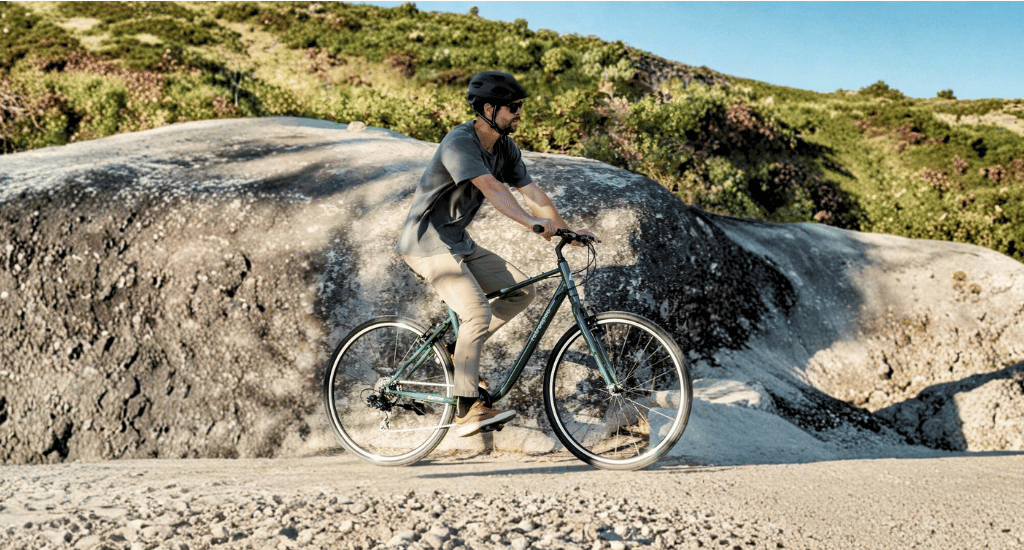
Street noise, hard seats, and bent posture turn fun rides into tiring trips. Many riders want to convert a mountain bike to a comfort bike because an MTB feels too stiff for daily use. The narrow saddle hurts. The low handlebar forces the body forward. The thick tires feel slow on smooth roads. These parts suit dirt paths, not relaxed city travel.
Buying a new comfort bike costs more than most expect. A simple conversion saves money and keeps your old bike useful. This works best for city riders, commuters, and leisure cyclists who want easy posture and less body pain.
Read this blog to learn how to make a mountain bike more comfortable with simple changes that improve comfort, posture, and daily ride quality.
Key Takeaways: Convert Mountain Bike to Comfort Bike
- Upgrade the saddle, handlebars, and grips for better comfort.
- Use semi-slick tires and correct pressure for smooth rides.
- Suspension seatposts reduce shocks.
- Add fenders, racks, and mirrors for convenience and safety.
- Gradually adjust posture for maximum comfort.
- Conversion saves money versus buying a new bike.
How to Convert a Mountain Bike to a Comfort Bike (Core Conversion Guide)
A mountain bike can feel rough on normal roads, but a few smart changes can fix that. This guide shows how to convert a mountain bike to a comfort bike with simple steps. You do not need expert tools or deep bike knowledge. Each step focuses on comfort, posture, and smooth daily rides.
Step 1: Evaluate Your Mountain Bike
First, check the frame type and size. The bike should fit your height. When you stand over the frame, there should be a small gap. A very large or very small frame will never feel right.
Next, think about how and where you ride. City roads and short trips need a relaxed setup. Trail parts feel too heavy for this use. Keep the frame and wheels if they feel solid. Change parts like the saddle, grips, and tires.
Step 2: Adjust Riding Position
Raise the handlebars to reduce pressure on the back and neck. A higher bar helps the body stay upright. This feels more natural for slow and steady rides on flat roads.
Check the stem angle or use an adjustable stem. This part connects the handlebars to the bike. A stem with a higher angle brings the bar closer. Set the saddle height so the leg feels straight at the bottom of the pedal stroke.
Step 3: Upgrade Contact Points
The saddle plays a big role in comfort. A comfort saddle has more width and soft padding. This supports the sitting bones and reduces pain during long rides.
Ergonomic grips help the hands stay relaxed. These grips spread pressure across the palm. Flat or comfort pedals give more surface for the feet. This helps balance and reduce foot stress.
Step 4: Optimize Ride Quality
Tire choice changes how the bike feels on the road. Semi-slick tires work best for city use. These tires roll smoothly and still offer grip in light rain.
Lower tire pressure also improves comfort. Soft tires absorb small bumps. If your bike has suspension, use the lockout on smooth roads. This stops energy loss and makes pedaling easier.
Step 5: Add Comfort Accessories
A suspension seatpost adds extra softness under the saddle. This part moves slightly and absorbs shocks from broken roads. It helps riders with back pain feel less strain.
Add practical items like fenders and a rear rack. Fenders keep clothes clean. A rack carries bags and reduces shoulder load. Lights and reflectors improve safety during early morning or evening rides.
By following these steps, the mountain bike to comfort bike conversion becomes simple and affordable. Each small change builds toward a relaxed ride. The result feels closer to a true comfort bike without the high cost.
Small Accessories That Make a Big Comfort Difference
Small bike parts often change the ride more than big upgrades. These accessories reduce body strain and make daily travel easier. They also improve control, safety, and overall comfort without high cost or complex setup.
Seatpost Options
Suspension seatposts absorb road shocks and protect the lower back on rough streets. Flexible seatposts bend slightly under weight. Both types reduce saddle impact and help riders feel less pain during long or uneven rides.
Pedals & Foot Position
Platform pedals give a wide, flat surface for the feet. This suits casual shoes and keeps the balance stable. Anti-slip pedals stop the foot from sliding, which helps control the bike and reduces leg stress.
Extra Comfort Add-Ons
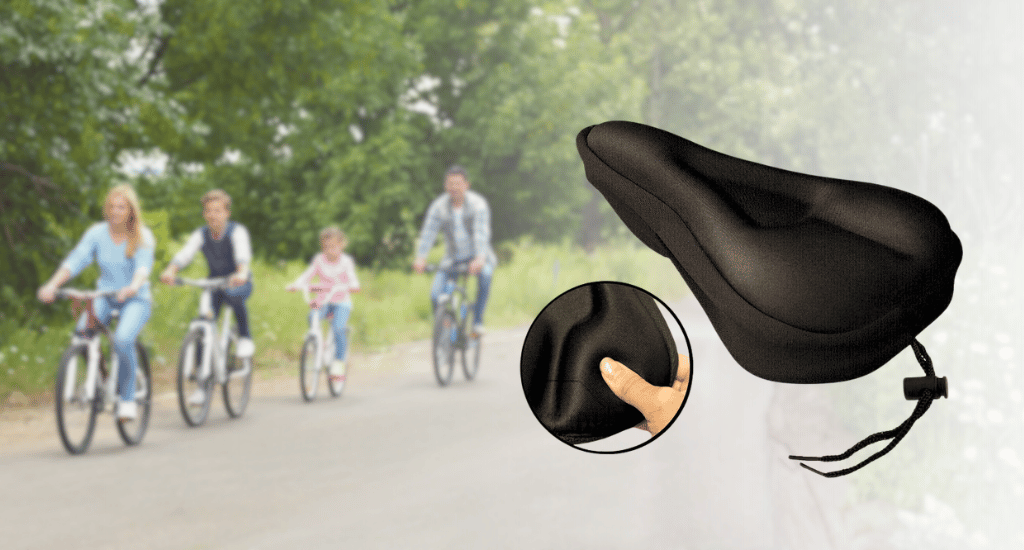
Fenders block water and dirt from roads, so clothes stay clean. A rear rack with panniers carries bags and removes the shoulder load. Bike mirrors and bells improve awareness and safety in traffic.
Common Mistakes to Convert a Mountain Bike to a Comfort Bike
Many riders rush the conversion and end up with poor comfort. Small wrong choices can cancel the whole effort. Avoiding common errors helps the bike feel relaxed, safe, and truly suited for daily city use.
Using the Wrong Saddle Size
A soft saddle alone does not mean comfort. Many people pick very wide or very thick seats. This causes thigh rubbing and poor balance. The saddle must match hip width. A bad size creates more pain, even if the padding feels nice at first.
Ignoring Handlebar Height
Keeping the handlebars too low forces the body forward. This adds stress to the neck, shoulders, and wrists. Some riders only change the seat and forget the front position. Without proper bar height, posture stays aggressive, and comfort never improves fully.
Keeping Heavy Off-Road Tires
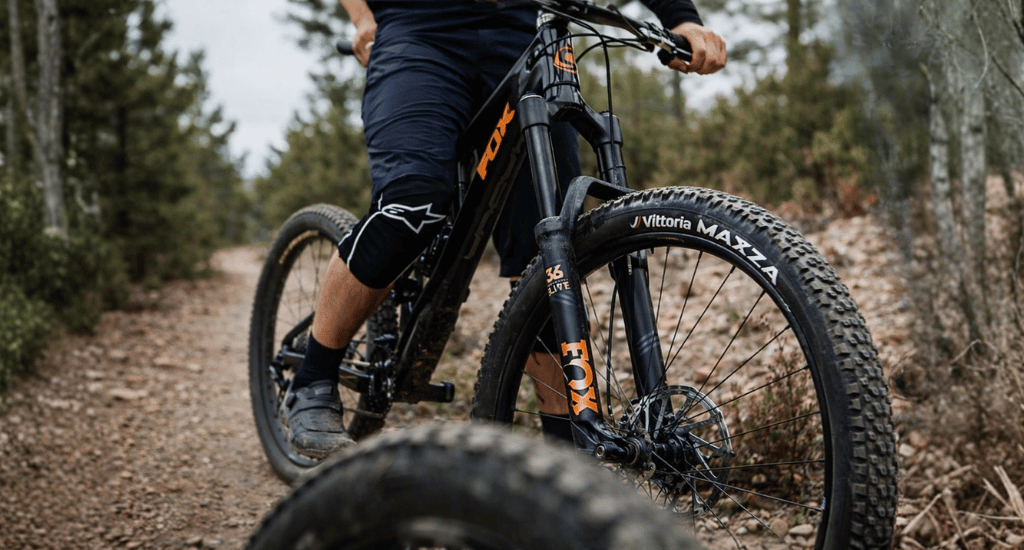
Mountain tires suit dirt, not city roads. Thick knobs increase rolling resistance and vibration. This makes pedaling harder and the ride slower. Many riders skip tire change, but this one step alone can transform how smooth the bike feels on pavement.
Overlooking Small Accessories
People often ignore mirrors, lights, and racks. These parts improve daily comfort in real ways. Carrying a bag on the back feels easier than on the body. Clear vision and alerts reduce stress in traffic and make rides feel calmer.
Conclusion
Converting a mountain bike into a comfort bike brings clear benefits. The ride feels smoother. Body pain reduces. Posture becomes more natural. With simple part changes, an old MTB can suit city roads, short trips, and relaxed weekend rides. Comfort does not need a big budget or expert tools.
Start with small upgrades like a better saddle, higher handlebars, and smoother tires. Test each change and adjust slowly. Keep the body upright and relaxed. A calm riding style plus steady setup changes will create long-term comfort.
FAQs
Can any mountain bike be converted into a comfort bike?
Yes, most mountain bikes can convert into comfort bikes if the frame fits the rider. Hardtail bikes work best. Very old or damaged frames may limit upgrades and reduce safety for daily use.
Is converting cheaper than buying a comfort bike?
Yes, conversion usually costs less than a new comfort bike. Simple upgrades like saddle, grips, tires, and stem cost little. These changes improve comfort without paying for a full new cycle.
Will a converted MTB feel the same as a real comfort bike?
No, it will not feel exactly the same. A converted MTB still keeps its original frame style. But comfort level becomes close enough for daily rides and casual city travel.


