
Carbon performance meets real-world value in Trek vs Giant Bikes, a debate shaping modern cycling decisions. Trek Bicycle Corporation and Giant Manufacturing Co., Ltd. stand among the most recognized global brands.
Giant, founded in 1972 in Taiwan, is widely regarded as the world’s largest bicycle manufacturer, known for competitive pricing and strong component value. Trek, established in 1976, emphasizes proprietary innovation and dealer accessibility.
This guide compares value, technology, ride feel, suspension, components, and brand reputation. If you’re a road cyclist, mountain biker, commuter, beginner, or enthusiast, keep reading to find your ideal fit.
Trek vs Giant Bikes – Complete Brand Comparison
Two industry leaders dominate this comparison, but their strengths differ in meaningful ways. From pricing strategy and proprietary technology to ride feel and dealer access, this section breaks down exactly how Trek and Giant compete across the categories that matter most.
Brand Background & Global Reputation
Both brands carry decades of credibility, global distribution, and professional racing presence. However, their origins, scale, and market positioning reveal important differences in how they operate and how riders perceive them worldwide.
Giant Bike
- Giant Manufacturing Co. Ltd.
- Founded: 1972, Taiwan
- Widely recognized as the world’s largest bicycle manufacturer (2025 SERP references).
- Massive global production capacity.
- Manufactures bikes for other major brands (OEM strength).
Giant’s vertical integration allows it to control frame production, carbon molding, and assembly at scale, helping maintain competitive pricing without sacrificing quality.
Trek Bike
- Trek Bicycle Corporation
- Founded: 1976, Waterloo, Wisconsin (USA)
- Premium market positioning
- Strong North American dealer network
Trek is often easier to test ride due to broader local bike shop partnerships, particularly in the U.S., which strengthens brand trust and post-purchase support.
Value & Price: Which Brand Offers More for Your Money?
Pricing is where most buyers start, and this is one of the clearest differences between the two brands. While both deliver high-quality bikes, their value propositions are structured differently.
Giant typically offers:
- Better components at entry-to-mid price levels.
- More Shimano groupsets at lower price points.
- Competitive pricing in the $800-$1,500 road bike range.
- Strong options in the $700-$2,000 MTB range.
In many comparisons, Giant includes higher-tier drivetrains or hydraulic disc brakes at similar or lower prices than Trek equivalents.
Trek generally:
- Commands a higher price for similar specs
- Invests heavily in proprietary tech
- Offers better seasonal promotions and dealer specials (based on 30+ comment Reddit threads across 2024-2025)
Summary Takeaway:
- Giant = stronger raw value proposition
- Trek = paying a premium for brand equity and proprietary engineering
Technology & Innovation
Innovation is where Trek often differentiates itself, while Giant focuses on efficient engineering and scalable manufacturing excellence.
Trek’s Proprietary Technologies
- IsoSpeed: Frame decoupler system that reduces road vibration, notably used in the Domane.
- RE:aktiv: Adaptive suspension tuning for MTBs.
- OCLV Carbon: High-grade carbon layering process for lighter, stronger frames.
Trek’s brand identity strongly centers around innovation and pushing frame engineering boundaries.
Giant’s Engineering & Efficiency
- Maestro Suspension System: Designed for efficient pedaling and adaptability.
- Carbon Nanotube Technology: Improves impact resistance in carbon frames.
- Vertical integration: Controls frame production, lowering costs while maintaining consistency.
Comparison Insight:
- Trek = innovation-driven brand narrative
- Giant = engineering efficiency and manufacturing scale
Suspension Systems (Mountain Bike Focus)
For MTB riders, suspension design heavily influences climbing efficiency, descending confidence, and long-ride comfort.
Giant’s Maestro System
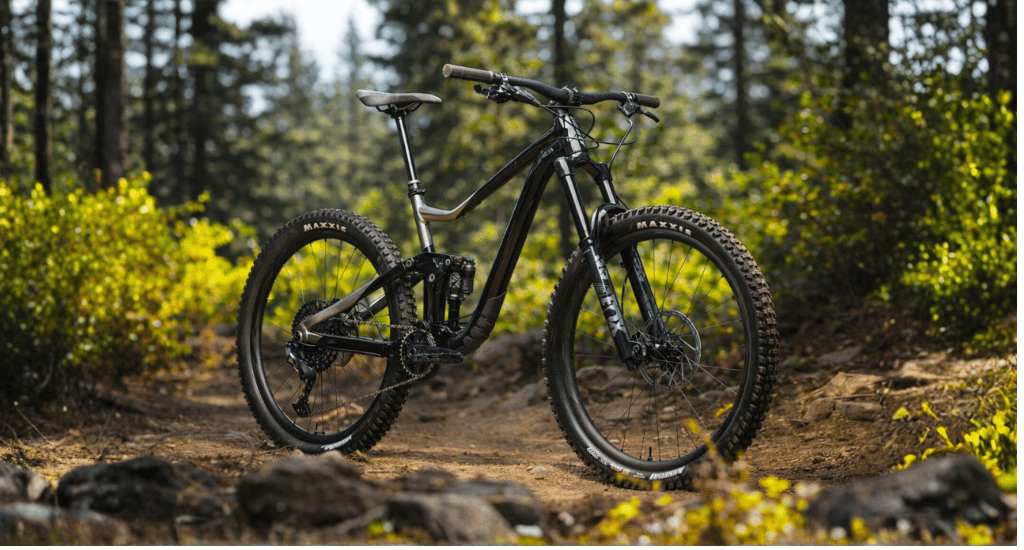
- Efficient pedaling platform
- Balanced climbing and descending
- Highly regarded in XC and trail bikes
Many riders describe Maestro as predictable and efficient under power.
Trek’s RE:aktiv Suspension
- Firms up during pedaling efforts
- Absorbs impacts effectively on descents
- Balances firmness with plush absorption
Reddit discussions (30+ comments, 35+ posts across 2024–2025 threads) show mixed opinions but consistent praise for Maestro’s efficiency and Trek’s balanced ride feel.
Ride Feel & Comfort
Ride character often matters more than specifications on paper.
Giant Ride Feel:
- Direct
- Responsive
- Lightweight sensation
Often preferred by racers and riders who want sharp acceleration and immediate feedback.
Trek Ride Feel:
- Smoother overall ride
- Especially noticeable on endurance models
- IsoSpeed reduces road vibration
Who benefits most?
- Racers → Giant’s responsiveness
- Endurance riders → Trek’s comfort-focused design
Components & Drivetrain Differences
Component spec plays a major role in perceived value. Giant frequently offers Shimano groupsets at lower price tiers. Trek mixes SRAM and Shimano depending on the model and market positioning.
Example comparison mentioned in SERP discussions:
- Trek model with 1x electronic drivetrain
- Giant model with 2×12 mechanical drivetrain
1x vs 2x Explained:
- 1x = Simpler setup, lighter, fewer shifting complications.
- 2x = Wider gear range, better for varied terrain and road versatility.
The choice depends on riding style rather than brand superiority.
Build Quality & Manufacturing
Both brands deliver high-quality frames and reliable durability across categories. Giant manufactures bikes for multiple global brands, reinforcing production credibility. Trek maintains strict quality control standards and proprietary frame development processes.
In practical terms, most riders, commuters, enthusiasts, and even weekend racers will find both brands equally reliable in durability and finish.
Trek vs Giant – Road Bikes Comparison
Road bikes are where the Trek vs Giant debate becomes most visible. From endurance comfort machines to aggressive aero racers, both brands offer clear alternatives that target different rider priorities and performance goals.
Popular Road Models to Compare
These four models represent the core of each brand’s road lineup and are frequently compared by buyers.
- Trek Domane: Trek’s endurance-focused road bike, known for comfort and vibration reduction. Designed for long rides, rough pavement, and gran fondos.
- Trek Madone: Trek’s aerodynamic race machine. Built for speed, stiffness, and competitive performance with integrated aero features.
- Giant Defy: Giant’s endurance road platform. Lightweight, efficient, and tuned for smoother long-distance riding.
- Giant TCR: Giant’s flagship race bike. Known for its exceptional stiffness-to-weight ratio and climbing efficiency.
Endurance vs Race Focus
Understanding category intent matters before comparing brands directly. Endurance bikes prioritize comfort and stability for long rides, while race bikes focus on aerodynamics, stiffness, and explosive power transfer.
Domane vs Defy – Endurance Segment
Both models target riders who value comfort over aggressive race geometry. However, their ride character and value positioning differ slightly.
- Domane emphasizes vibration reduction and long-ride smoothness.
- Defy balances comfort with lighter weight and competitive pricing.
Domane feels softer and more forgiving, while Defy remains slightly firmer but efficient under sustained pedaling efforts.
Madone vs TCR – Race Segment
Race bikes focus on maximizing speed through aerodynamics and stiffness. These two models reflect different engineering philosophies.
- Madone prioritizes aero integration and premium design refinement.
- TCR emphasizes low weight and direct power transfer.
Madone often commands higher pricing, while TCR delivers strong race performance at more accessible price levels.
Trek vs Giant – Mountain Bikes Comparison
Mountain bikes highlight the engineering differences between these two brands more clearly than any other category. Frame design, suspension tuning, and pedaling efficiency all influence how each bike performs on climbs, descents, and technical terrain.
XC & Trail Models
Cross-country and trail platforms best represent how Trek and Giant approach performance. These flagship models are often compared by serious riders focused on speed, control, and efficiency.
Trek Supercaliber
Built for XC racing, this model blends lightweight carbon construction with short-travel rear suspension designed to maximize pedaling efficiency and race-day responsiveness.
Giant Trance
A versatile trail bike engineered for balanced climbing and confident descending, offering adaptable suspension performance across varied terrain conditions.
Supercaliber leans toward competitive cross-country racing, while Trance targets aggressive trail riders seeking all-around capability.
Suspension Performance
Suspension design plays a critical role in how a mountain bike handles power transfer and impact absorption. Trek and Giant approach this balance differently through proprietary systems.
Climbing Efficiency vs Descending Plushness
Maestro typically feels slightly more efficient during sustained climbs due to its consistent pedaling platform. RE:aktiv often feels more refined on technical descents, offering a smoother transition between firm and soft suspension states.
Riders focused on cross-country efficiency may lean toward Trek’s Supercaliber setup, while trail riders wanting adaptable performance across terrain often prefer the Trance’s balanced suspension feel.
End Note
Choosing between Trek Bicycle Corporation and Giant Manufacturing Co. Ltd. ultimately comes down to priorities, not brand superiority. Giant stands out for value, competitive pricing, and strong component packages, especially in entry-to-mid ranges.
Trek distinguishes itself through proprietary technology, refined ride comfort, and an extensive dealer network. Both deliver high-quality performance across road and mountain categories.
Compare specs carefully, test ride if possible, and select the bike that aligns with your riding goals, terrain, and long-term expectations.
FAQs
Is Giant better than Trek?
No, Giant is not strictly better than Trek. Giant generally offers stronger value and competitive components at lower prices, while Trek focuses on proprietary innovation, advanced frame technology, and premium positioning. The better choice depends on budget, riding style, and technology preferences.
Is Giant made by Trek?
No, Giant is not made by Trek. Giant Manufacturing Co. Ltd. is an independent Taiwanese company founded in 1972. It operates separately and even manufactures bikes for various global brands, but it is not owned by or produced by Trek.
Which brand is No. 1 in the world?
Giant is often recognized as the No. 1 brand by production scale. Giant Manufacturing Co. Ltd. is widely considered the world’s largest bicycle manufacturer, producing millions of bikes annually and distributing them across major global cycling markets.


