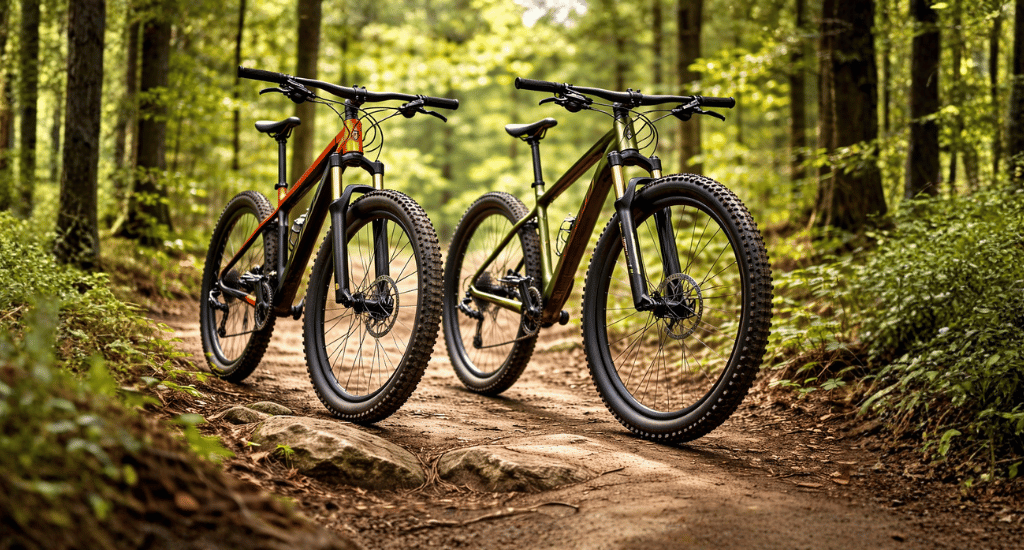
A rough trail can feel very different when your bike wheels change size. Wheel size affects balance, grip, and speed on dirt paths. Riders often compare Mountain Bike 26 vs 27.5 before choosing a bike.
For many years, 26-inch wheels ruled mountain biking and appeared on most trail bikes worldwide. New designs later introduced 27.5-inch wheels, also called 650b, which offer balanced speed, control, and smoother movement on rough ground.
Each size suits a different riding style and terrain. This guide explains key differences, real trail benefits, and rider fit. Continue reading to understand Mountain Bike 26 vs 27.5 clearly.
Mountain Bike 26 vs 27.5: Key Differences Explained
Wheel size changes how a mountain bike moves across trails and rough terrain. Small size differences affect control, speed, comfort, and balance. Riders often compare 26 vs 27.5 before choosing a trail bike.
Wheel Size and Measurement Differences
A small change in wheel size may look unimportant at first glance. However, even a small diameter change influences speed, stability, and obstacle movement on trails.
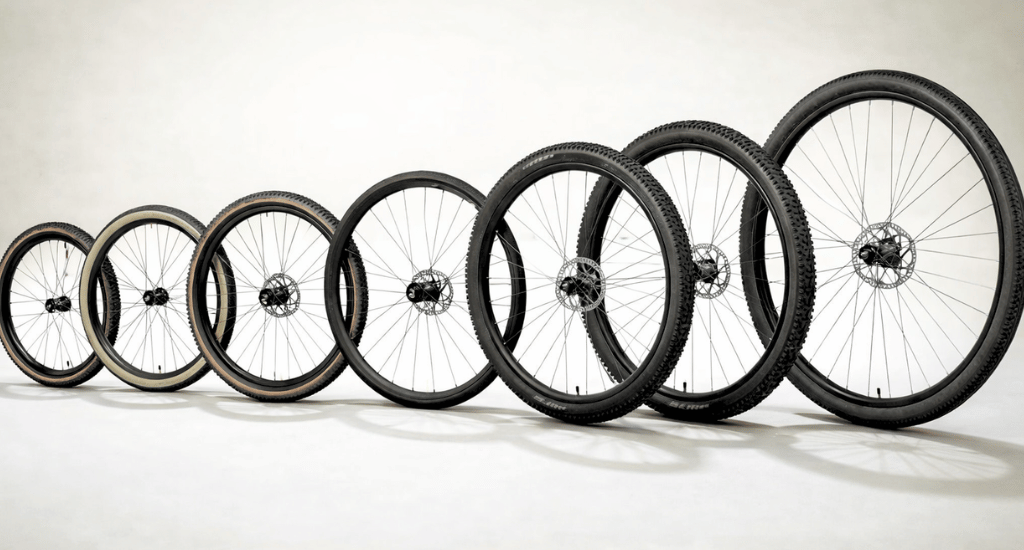
The wheel diameter of a 26-inch mountain bike is about 673mm, and the diameter of the rim is 559mm. This wheel size appeared on most mountain bikes for many years.
A modern trail bike often uses a larger wheel platform. The 27.5-inch mountain bike has a wheel diameter of about 698 mm and a rim diameter of 584 mm.
Key measurement differences
- Rim size difference: about 25 mm
- Total diameter increase: about 1 inch
- Radius difference: around 0.5 inch
That extra size changes how the wheel meets trail obstacles. A larger circle rolls over rocks and roots with less interruption.
Bike engineers often explain this concept with a simple rule. The bigger the wheel, the less rolling resistance during trail movement.
Less rolling resistance means the wheel travels farther with each rotation. This small improvement helps riders maintain smoother motion on rough ground.
Handling and Agility
Handling describes how quickly a bike reacts when the rider turns the handlebars. Wheel size strongly influences this reaction on tight or twisting trails.
Smaller wheels change direction faster during sudden turns. Many riders prefer this quick response in narrow forest trails.
Experts often say 26″ bikes are great for fast-twitchy type terrain because the wheel reacts immediately during direction changes.
Situations where 26-inch wheels perform well
- Tight switchback trails
- Pump track corners
- Dirt jump parks
- Technical forest paths
The smaller wheel radius allows quick steering movements. Riders can shift body weight and guide the bike through sharp corners easily.
A 27.5-inch wheel behaves slightly differently during turns. Steering remains responsive but feels calmer and more balanced.
Handling traits of 27.5-inch wheels
- Stable corner control
- Smooth steering response
- Balanced maneuverability
Many riders appreciate this balance on mixed terrain trails. The bike stays steady without feeling slow during direction changes.
Speed and Momentum
Speed on a mountain bike depends on wheel rotation and trail surface. Larger wheels usually maintain motion longer after each pedal stroke.
A 27.5-inch wheel travels farther with every full rotation. This helps the bike continue forward even when pedaling pauses briefly.
Advantages of 27.5 wheels for speed
- Higher potential top speed
- Better momentum across uneven ground
- Reduced slowdown on rocky paths
The larger diameter helps the wheel move across roots and stones with a smoother motion. The bike loses less energy when the tire touches obstacles.
Many riders notice this benefit during downhill sections or long trail stretches. A 26-inch wheel shows different speed behavior. The smaller diameter slows faster once pedaling stops.
Limitations of 26-inch wheels for speed
- Momentum drops sooner
- More pedal effort is needed
- Slower rollover across obstacles
Still, many riders enjoy the lively feel during short technical trail sections.
Also read: 2.4 vs 2.6 Mountain Bike Tires
Traction and Ride Comfort
Traction refers to how well a tire grips dirt, gravel, or loose trail surfaces. Wheel size affects the contact area between the tire and the ground.
A 27.5-inch tire usually touches the ground across a slightly longer patch. This added surface contact improves grip during climbs or loose turns.
Benefits of 27.5 wheels for comfort and grip
- Better tire contact with the ground
- Improved control over loose soil
- Smoother ride on rough trails
Another interesting detail appears with wheel construction. Weight 27.5 in. wheels are lighter, which helps maintain smooth trail motion.
A 26-inch wheel produces a different riding sensation. The contact patch remains smaller, which creates a sharper and more responsive feel.
Characteristics of a 26-inch ride feel
- Direct trail feedback
- Quick reaction to body movement
- More lively handling on jumps
This responsive nature attracts riders who enjoy playful riding styles.
Obstacle Clearance and Trail Performance
Mountain trails often contain rocks, roots, and uneven ground surfaces. Wheel size changes how easily the bike crosses these obstacles.
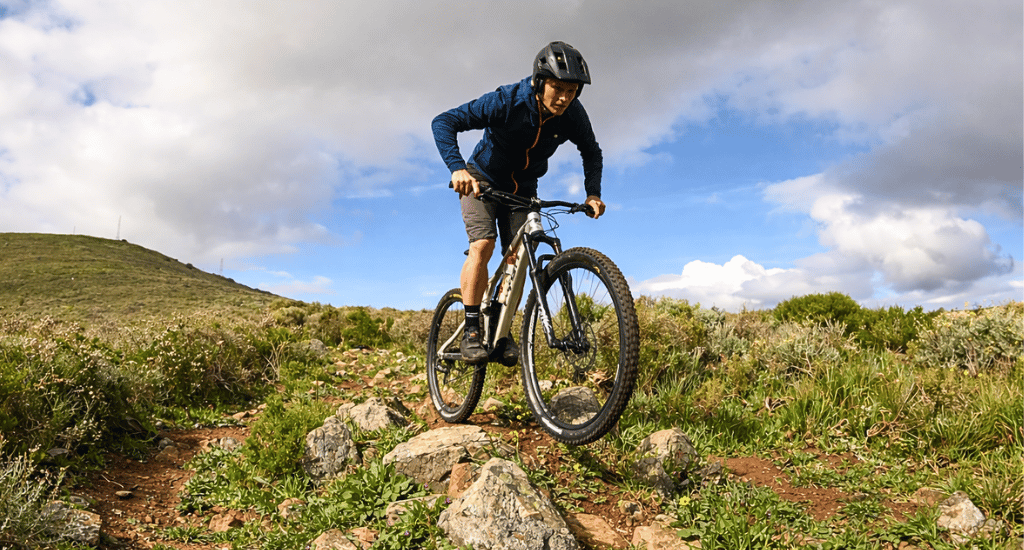
A 27.5-inch wheel approaches obstacles at a smoother angle. The larger circle climbs over bumps rather than stopping suddenly.
Where 27.5 wheels perform strongly
- Technical trail sections
- Rocky terrain
- Root-covered forest trails
The smoother rollover improves rider confidence during rough trail sections.
A 26-inch wheel meets obstacles with a sharper contact angle. The rider sometimes lifts the front wheel slightly across larger rocks.
Terrain where 26-inch wheels shine
- Jump parks
- Trick lines
- Pump tracks
The compact size allows fast lift and quick air control during jumps. Both wheel sizes perform well in different situations. The final choice depends on trail style, rider preference, and the type of riding experience desired.
Which Wheel Size Works Best for Your Height?
Bike size should match the rider’s height and comfort level on the trail. Wheel size affects balance, control, and confidence during rides. A good fit helps riders ride safely and enjoy trails more.
26-Inch Bikes for Smaller Riders
A 26-inch bike usually suits riders with shorter height or smaller body size. The frame feels compact and easier to control on narrow or technical trails.
Experts often say 26ers are best suited for beginner riders because the bike reacts quickly during turns.
Riders who may prefer 26-inch bikes
- Riders under 5’6″ (167 cm)
- Riders with shorter inseam length
- Youth riders
A smaller frame keeps the rider closer to the ground. This position helps balance during slow trail movement and tight turns.
Also read: Best Mountain Bike for 10-Year-Old Boy.
27.5-Inch Bikes for Most Riders
A 27.5-inch bike fits many adult riders and works well on different trail styles. The wheel size offers a balanced mix of control and speed.
Riders who often choose 27.5-inch bikes
- Riders 5’6″ to 6’0″+ tall
- Trail and all-mountain riders
- Riders who want both agility and stability
The larger wheel rolls smoothly across rocks and roots. This design helps riders maintain steady control during long trail rides. Many riders consider 27.5 one of the most versatile mountain bike wheel sizes today.
Industry Trends: Why 27.5 Replaced Most 26-Inch Bikes
Mountain bike wheel sizes have changed a lot during the last decade. Bike brands updated their designs after riders asked for better speed, stability, and smoother trail performance.
For many years, 26-inch wheels dominated mountain biking. Almost every trail bike used this size until the early 2010s.
From 2013 to 2015, bike companies began releasing new models with larger wheels. These bikes mainly use 27.5-inch and 29-inch wheel sizes.
What the Market Looks Like Today
Most modern mountain bikes now use larger wheels because they perform better on rough trails.
- Many new trail bikes use 27.5-inch wheels
- Cross-country bikes often use 29-inch wheels
- 26-inch bikes appear less often in new models
Where 26-inch Bikes are Still Used
Some riding styles still benefit from smaller wheels.
- Dirt jump bikes
- Entry-level mountain bikes
- Older bike models
Why Riders Preferred Larger Wheels
The main reason relates to trail performance.
- Larger wheels roll over rocks and roots more easily
- Riders maintain speed with less effort
- Stability improves on rough trails
This change helped riders enjoy smoother trail rides without losing too much control or agility.
Final Thought
A 26-inch mountain bike offers quick control and playful handling on tight trails. Riders often prefer this size for jumps, tricks, and narrow technical paths.
A 27.5-inch bike provides balanced trail performance with smoother speed, stronger traction, and better control. This size now dominates modern mountain bikes. Choose a wheel size based on terrain, riding style, and rider height.
FAQs
Are 27.5 wheels better than 26?
For many riders, 27.5 wheels offer clear advantages on modern trails. They roll faster, provide stronger tire grip, and pass over rocks or roots more smoothly than traditional 26-inch wheels.
Are 26-inch mountain bikes still good?
Yes, 26-inch mountain bikes still work well for certain riding styles. Riders often choose them for dirt jumps, pump tracks, and tight technical trails where quick control matters most.
Is the difference between 26 and 27.5 noticeable?
Yes, riders usually notice a small difference between these wheel sizes. The diameter change is about 25 millimeters, nearly one inch, which improves stability and rollover without a major handling change.