
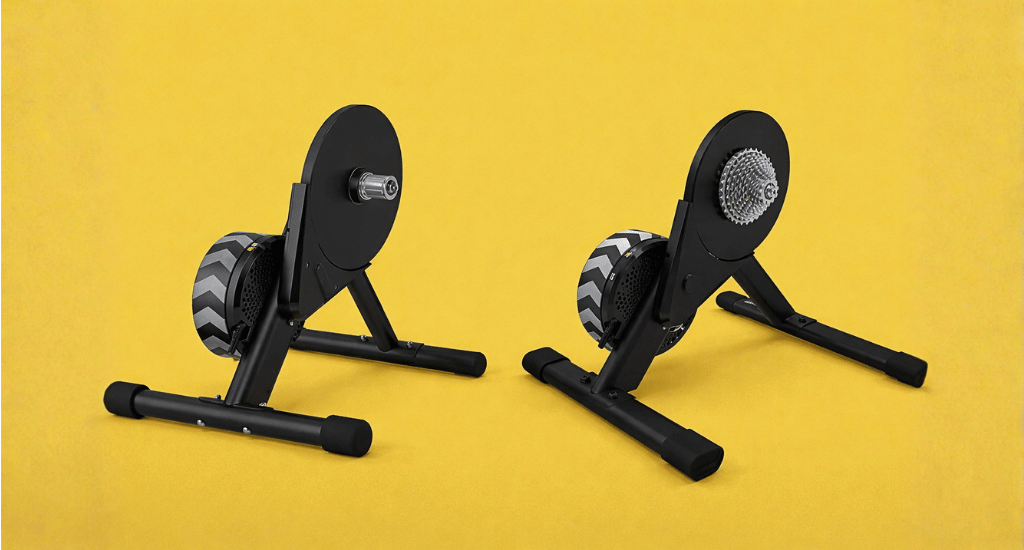
The Wahoo Kickr Core is worth the extra money over the Snap for most indoor cyclists. The Core delivers quieter operation, eliminates tire wear, requires no calibration, and simulates steeper gradients up to 16%.
The fundamental difference comes down to trainer type. The Snap is a wheel-on trainer where your rear tire presses against a roller. The Core is a direct-drive trainer in which you remove your rear wheel and mount it directly to a cassette.
This BicycleXpert guide compares both trainers on noise, accuracy, ride feel, maintenance, and value. By the end, you will know which Wahoo smart trainer fits your indoor cycling needs.
Quick Verdict: Snap or Core?
The Kickr Core is the better smart trainer for most indoor cyclists. It offers superior power accuracy, quieter operation, no tire wear, and zero calibration requirements. Direct drive design delivers a smoother, more realistic ride feel than wheel-on alternatives.
The Kickr Snap suits budget-conscious riders or those frequently switching between indoor and outdoor riding. Keeping the rear wheel attached makes transitions faster.
However, many Snap owners upgrade to direct drive within one to two years. If your budget allows, the Core is the stronger long-term investment. The extra cost pays for itself through better training quality and the elimination of tire expenses.
Wahoo Kickr Snap vs Core: Key Specifications Compared
Both the Wahoo Kickr Snap and Kickr Core are high-quality smart trainers with compatibility with Zwift and TrainerRoad. However, they differ significantly in design, accuracy, and features.
The Snap uses wheel-on technology at a lower price point. The Core uses direct-drive technology for better accuracy and quieter operation. The comparison table below highlights every major specification difference between these two Wahoo indoor bike trainers.
| Specification | Kickr Snap | Kickr Core |
|---|---|---|
| Trainer Type | Wheel-on | Direct drive |
| Price | ~$499 | ~$549-$899 |
| Power Accuracy | ±3% | ±2% |
| Max Power Output | 1,500W | 1,800W |
| Max Gradient Simulation | 12% | 16% |
| Flywheel Weight | 10.5 lbs (4.7kg) | 12 lbs (5.4kg) |
| Noise Level | Moderate (tire friction) | Very quiet (belt drive) |
| Calibration Required | Spindown every ride | Auto-calibration |
| Cassette Needed | No (uses bike wheel) | Yes (often included) |
| Connectivity | ANT+, Bluetooth | ANT+, Bluetooth, WiFi* |
What Is the Difference Between Wheel-On and Direct Drive Trainers?
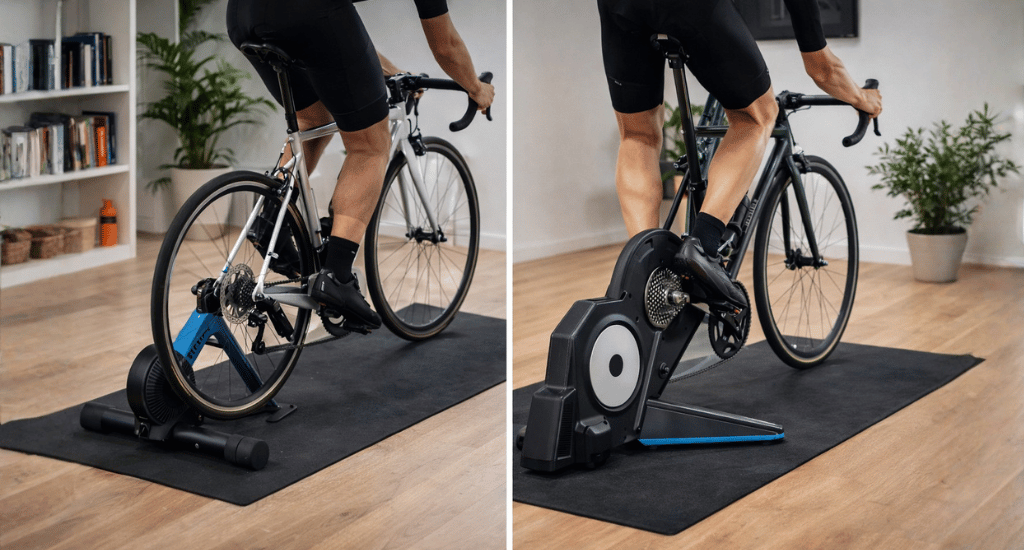
Wheel-on trainers keep your rear wheel attached to the bike. The Wahoo Fitness Kickr Snap presses your rear tire against a resistance roller. Power measurement relies on tire contact, which introduces variables like tire pressure, tire wear, and potential slippage.
Direct-drive trainers require you to remove your rear wheel entirely. The Kickr Core mounts your bike directly to the trainer’s built-in cassette. Power measurement happens at the flywheel with no tire variables affecting accuracy.
Direct drive eliminates three common wheel-on problems: tire pressure fluctuations, gradual tire wear, and slippage during hard efforts. This is why experienced indoor cyclists consider direct drive infinitely better than wheel-on designs.
Both trainer types can adjust resistance automatically during workouts. However, the direct drive trainer responds faster and delivers more consistent power readings throughout your session.
Is the Kickr Core Quieter Than the Snap?
The Kickr Core is significantly quieter than the Snap. Users describe the Core as “ridiculously quiet” during indoor training sessions.
The Core uses a belt drive system that produces minimal vibrations and noise. Most sound comes from your bike’s drivetrain rather than the trainer itself. Real-world testing shows the Core operates at approximately 58-62 decibels during normal riding.
The Snap generates noticeable tire-on-roller friction noise. This sound increases at higher speeds and becomes more pronounced during high-intensity intervals and sprints.
For apartment dwellers, early-morning trainers, or anyone in shared living spaces, the Core’s quiet operation is a major advantage. You can complete hard workouts without disturbing family members or neighbors.
Does the Kickr Snap Wear Out Your Tire?
The Kickr Snap wears out your rear tire over time. The wheel-on design means your tire is in constant contact with the resistance roller during every training session.
Many riders purchase dedicated trainer tires, costing $30-50, to avoid damaging their road tires. Even with trainer tires, rubber residue accumulates on your floor and roller surface. This residue requires regular cleaning and can stain flooring.
The Kickr Core eliminates tire wear entirely. Direct drive design means no tire contact, no rubber residue, and no need for dedicated trainer tires.
This hidden cost narrows the actual price gap between trainers over time. After one year of regular training, Snap owners typically spend $50-100 on replacement tires. The Core avoids this expense completely.
Do You Need to Calibrate the Kickr Snap Before Every Ride?
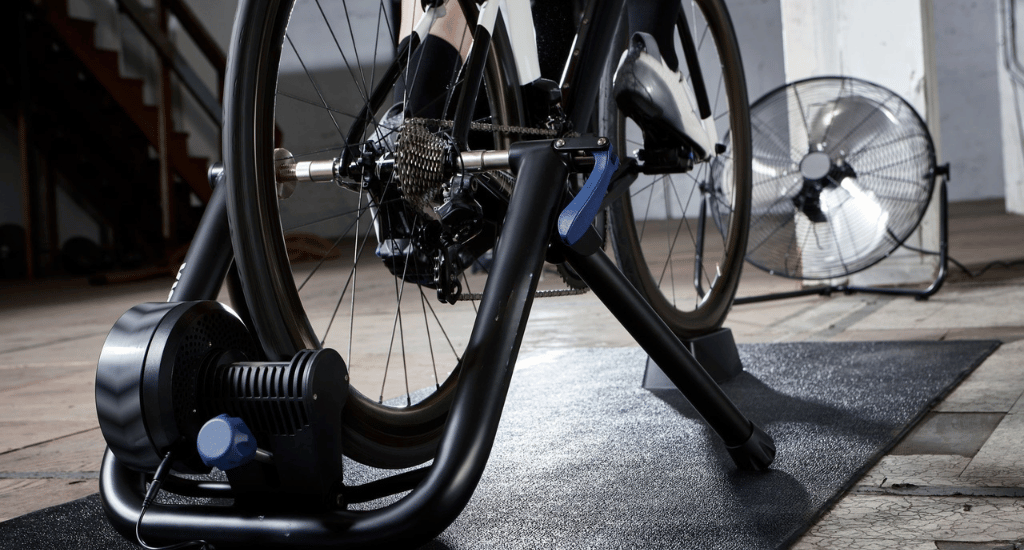
The Kickr Snap requires spindown calibration before every ride for accurate power readings. This process involves a 10-minute warmup followed by a spindown through the Wahoo app or Zwift.
Tire pressure changes, room temperature, and roller tension all affect accuracy. Skipping calibration leads to inconsistent power data that can drift significantly during longer sessions.
The Kickr Core uses auto-calibration and requires no manual spindown. You simply get on and start your ride immediately. This “just ride” convenience removes friction from your training routine.
A Snap is definitely less convenient than a Core for regular indoor training. The extra calibration steps add 10-15 minutes to every session. Over hundreds of rides, this maintenance time adds up considerably.
How Does Gradient Simulation Compare?
The Kickr Core simulates gradients up to 16%, while the Snap maxes out at 12%. For most Zwift routes and casual riding, 12% gradient simulation is sufficient.
However, steeper virtual climbs like Alpe du Zwift include sections exceeding 12%. These segments feel more realistic on the Core. The resistance matches the virtual gradient accurately.
If you primarily ride flat routes or use ERG mode for structured training, this difference matters less. For riders who enjoy climbing or want maximum realism on steep gradients, the Core’s 16% capability delivers a noticeably better experience.
Which Trainer Feels Smoother and More Realistic?
The Kickr Core feels smoother than the Snap during indoor training. The Core’s heavier flywheel, at 5.4kg versus 4.7kg, provides greater inertia that more accurately mimics outdoor riding.
Power transitions in ERG mode are more responsive on the Core. The Snap can feel sluggish during quick accelerations, and tire slippage during hard efforts is possible.
The Core also responds better to changes in resistance during virtual climbs and sprints. Users consistently report smoother power delivery and a more natural pedaling sensation.
For Zwift racing or structured intervals requiring rapid power changes, the Core’s responsiveness is noticeably superior. The direct drive connection eliminates lag between effort and resistance.
Is the Kickr Core Worth the Extra Money?
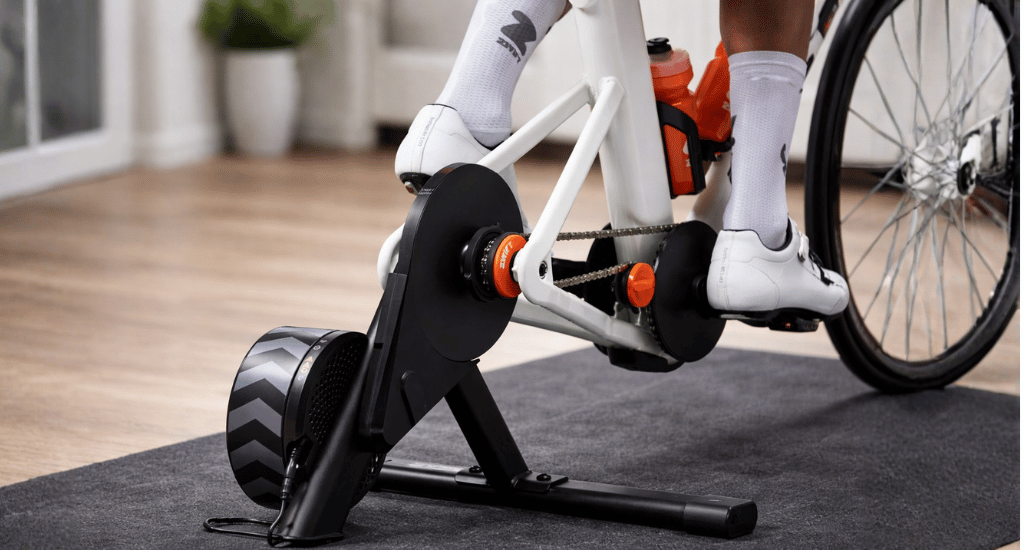
The Kickr Core is worth the extra money for most indoor cyclists. This is the central question buyers ask, and the answer is almost always yes.
The price gap has narrowed significantly. The Core 2 now starts around $549 versus the Snap at $499. Earlier models showed the Core at about 2 1/2 times the price, but current pricing is much closer.
Hidden Snap costs further shrink the real difference. Trainer tires cost $30-50 and need to be replaced over time. Calibration hassles cost you 10-15 minutes per session.
For the extra investment, the Core delivers: significantly quieter operation, zero calibration requirements, no tire wear, better accuracy at ±2% versus ±3%, steeper gradient simulation at 16% versus 12%, and smoother ride feel.
Many Snap owners upgrade to direct drive within one to two years, calling the Snap purchase “a false economy.” If indoor training is a regular part of your routine, the Core’s advantages compound over hundreds of hours.
Who Should Buy the Wahoo Kickr Snap?
The Wahoo Snap Kickr smart turbo trainer is well-suited to specific situations. Choose the Snap if you have strict budget constraints where $50 matters significantly.
The Snap works well for bikes that frequently switch between indoor and outdoor use. Keeping the wheel attached makes transitions faster. Casual riders who train indoors occasionally may also find the Snap sufficient.
Riders who already own a quality power meter and only need ERG control can pair it with the Snap for accurate data. The Snap also works as a secondary trainer or travel trainer where portability matters.
Who Should Buy the Wahoo Kickr Core?
The Wahoo Kickr Core indoor bike trainer is designed for serious indoor cyclists. Choose the Core if you race on Zwift, follow structured training on TrainerRoad or Wahoo SYSTM, or train indoors three or more times per week.
The Core is ideal for riders with dedicated indoor bikes who want “set and forget” convenience. No calibration, no tire changes, no maintenance hassles.
Anyone prioritizing quiet operation should choose the Core. It works better for shared living spaces and noise-sensitive environments like apartments.
For most riders comparing Kickr Snap vs Core, the Core is the recommended choice. The benefits justify the investment.
Conclusion
The Kickr Core wins over the Snap on noise, accuracy, ride feel, convenience, and long-term value. Direct drive technology delivers a superior indoor cycling experience in every measurable way.
The Snap remains viable only for budget-constrained or casual riders who understand the maintenance trade-offs.
With current pricing bringing the Core closer to the Snap, the value proposition strongly favors direct drive. For anyone asking, “Is the Core worth the extra money?” the answer is almost always yes for regular indoor training.
Invest in the Core and enjoy quieter, smoother, maintenance-free rides. Follow BicycleXpert for more expert tips on cycling gear and training.
FAQs
Is the Wahoo Kickr Core better than the Snap?
For most riders, yes. The Core offers better accuracy (±2% vs ±3%), quieter operation, no tire wear, and no calibration requirements. The smoother ride feel and steeper gradient simulation add further value.
Do I need a cassette for the Wahoo Kickr Core?
Yes. Current Core models typically include an 11-speed cassette. If buying used or selecting the Zwift Cog option, budget $50-65 for a compatible Shimano or SRAM cassette.
Can I use the Kickr Snap with Zwift?
Yes. The Snap connects via Bluetooth or ANT+ and works fully with Zwift, TrainerRoad, Rouvy, and other training apps. It supports ERG mode and gradient simulation up to 12%.
Which Wahoo trainer takes up less space?
The Core has a slightly smaller footprint. As one user noted, "The Kickr takes up a hair less floor space than the Snap," though the difference is minimal for most setups.


