A threadless headset is a bicycle steering system where the fork’s steerer tube is smooth and unthreaded. The stem clamps onto the outside of the steerer rather than inserting inside it. This design became the modern standard on virtually all performance bicycles because it offers lighter weight, greater stiffness, and easier adjustment than older threaded systems.
This guide explains how a threadless headset works, identifies each component in the assembly, covers the main types (external cup, semi-integrated, integrated, and tapered), and compares threadless to threaded systems so you can maintain or upgrade your bike’s steering with confidence.
What Is a Threadless Headset?
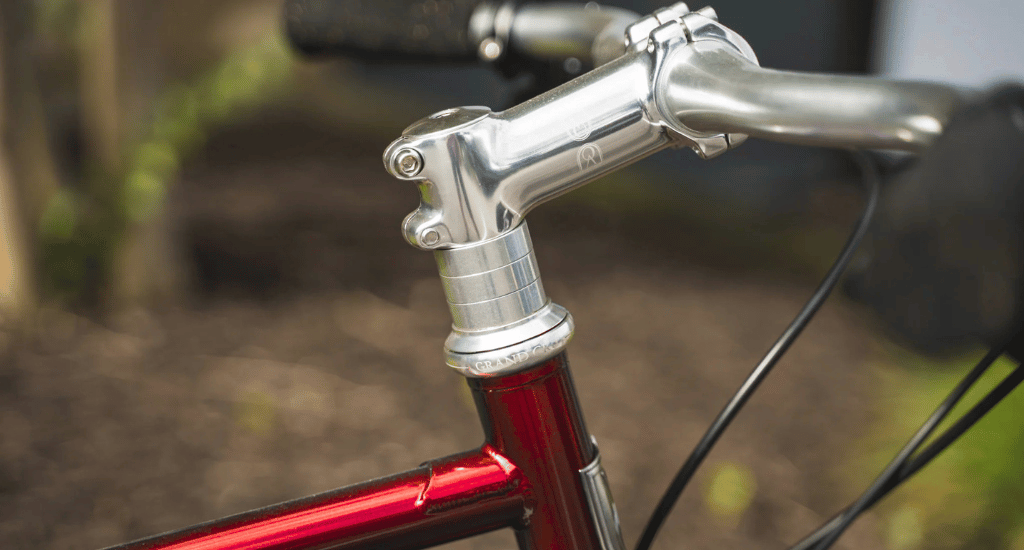
A threadless headset is a bearing assembly that allows the fork to rotate smoothly inside the frame’s head tube. The system gets its name from the fork’s steerer tube, which has no external threads. Instead of screwing components onto the steerer, the stem clamps onto the outer tube above the frame.
A star-fangled nut anchored inside the steerer tube and a top cap work together to create compression, holding the bearings securely against the frame. Once the bearing preload is set correctly, the stem’s binder bolts lock the adjustment in place. Threadless headsets do not use quill stems, which insert inside the steerer. The external clamp design provides a stiffer and lighter connection.
How Does a Threadless Headset Work?
The unthreaded steerer tube extends through the head tube and above the headset bearings. A star-shaped nut is pressed inside the steerer tube approximately 15- 20 mm below the top edge. Spacers sit on top of the upper bearing race, then the stem slides onto the steerer.
The top cap threads into the star nut via a bolt, typically requiring a 5mm or 6mm Allen key. Tightening this bolt pulls the fork upward, compressing the bearings against the frame and removing any play in the system. This sets the bearing preload.
One critical point: the top cap bolt only sets preload. It does not hold the fork in place. The stem’s binder bolts, usually two or four depending on stem design, lock the adjustment and secure the stem to the steerer. Once the binder bolts are tightened, the top cap serves no structural function.
Parts of a Threadless Headset Assembly
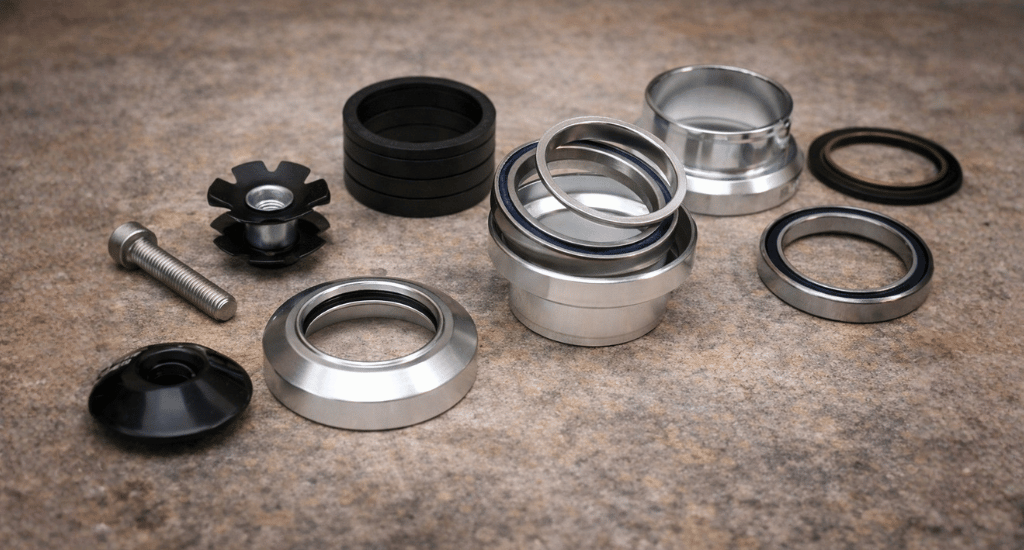
A threadless headset assembly contains several components working together. Upper and lower bearing cups are pressed into the head tube and hold the bearings in position. Bearings come as sealed cartridge units or loose ball bearings in a retainer cage. The crown race sits on the fork crown, where the lower bearing rests against it.
A compression ring centers the upper assembly on the steerer tube and helps seal out contamination. The top cap covers the stem and houses the preload bolt. Inside the steerer, a star-fangled nut anchors the preload system. Carbon steerer tubes use an expansion plug instead to avoid damaging the material. Spacers are aluminum rings that adjust stack height and handlebar position above the headset.
Types of Threadless Headsets
Threadless headsets are categorized by bearing location using the Standardized Headset Identification System (SHIS). The three main types are external cup (EC), semi-integrated or zero stack (ZS), and integrated (IS). Most modern bikes use 1 1/8 inch (28.6mm) steerer tubes, though sizing varies by headset type and frame design.
1. External Cup (EC)
External cup headsets use the traditional threadless design. Bearing cups are pressed into the head tube and protrude externally above and below the frame. The bearings sit outside the head tube, resulting in a higher stack height. The common designation is EC34 for 1 1/8 inch steerers. This type remains popular on steel and titanium frames where classic aesthetics and serviceability matter.
2. Semi-Integrated / Zero Stack (ZS)
Semi-integrated headsets, also called zero-stack, have bearing cups pressed inside the head tube with only a small lip visible. Bearings sit flush or entirely inside the frame, resulting in lower stack height than external cup designs. This type is common on modern mountain bikes, gravel bikes, and carbon frames. Designation example: ZS44 for a 44mm bore.
3. Integrated (IS)
Integrated headsets have no separate cups. Bearings rest directly in machined bearing seats inside the head tube, with the frame itself acting as the bearing race. This design has the fewest parts and the cleanest appearance, but requires precision frame manufacturing. Integrated headsets are common on road bikes. Designations include IS41 or IS42, depending on bore diameter.
4. Tapered Headsets
Tapered headsets use different diameters at the top and bottom. The upper bearing fits a 1 1/8-inch (28.6mm) steerer, while the lower bearing accommodates a 1.5-inch (38.1mm) or 40mm steerer. This provides greater stiffness at the fork crown. Tapered systems are standard on most modern mountain bikes and many road and gravel bikes. A common SHIS example is ZS44/28.6 | EC49/40.
Threadless vs Threaded Headset: What Is the Difference?
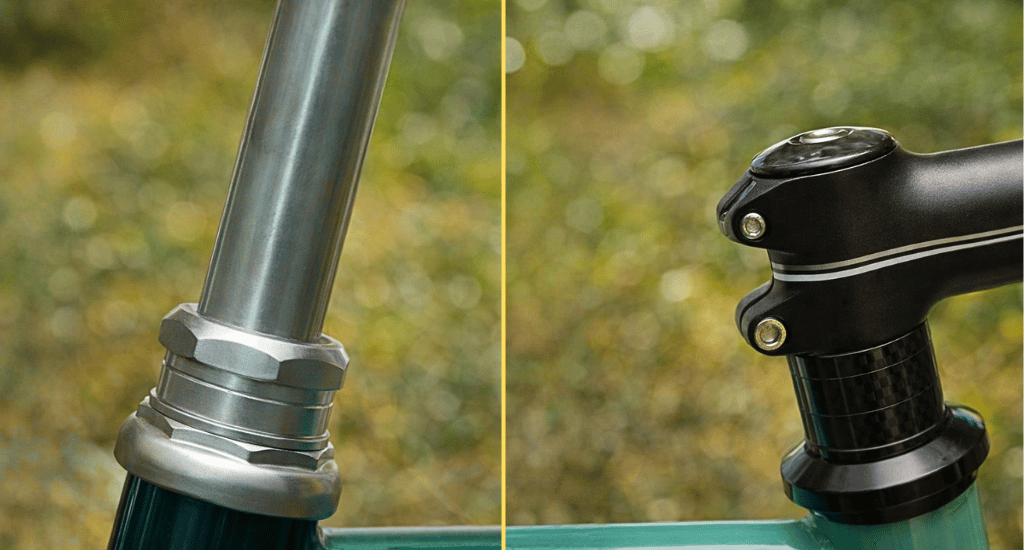
A threaded headset uses a quill stem that inserts inside a threaded steerer tube. An expanding wedge or cone secures the stem internally. Adjusting bearing preload requires large headset wrenches, but the design allows infinite handlebar height adjustment within the stem’s range. Threaded systems are found on vintage bikes, some touring bikes, and track bikes.
A threadless headset works differently. The stem clamps externally with binder bolts, and modern stems use a four-bolt faceplate to secure the handlebars. The steerer has no threads. Adjustment requires only Allen keys, making field repairs simple with a standard multi-tool. Height adjustment is limited by steerer length and spacers.
Threadless headsets offer lighter weight, stiffer steering, easier maintenance, and reduced manufacturing cost. The connection between the stem and the steerer is more rigid than a quill stem inside a tube. Threaded systems have one clear advantage: infinite height adjustment without cutting the steerer or swapping parts.
Advantages of a Threadless Headset
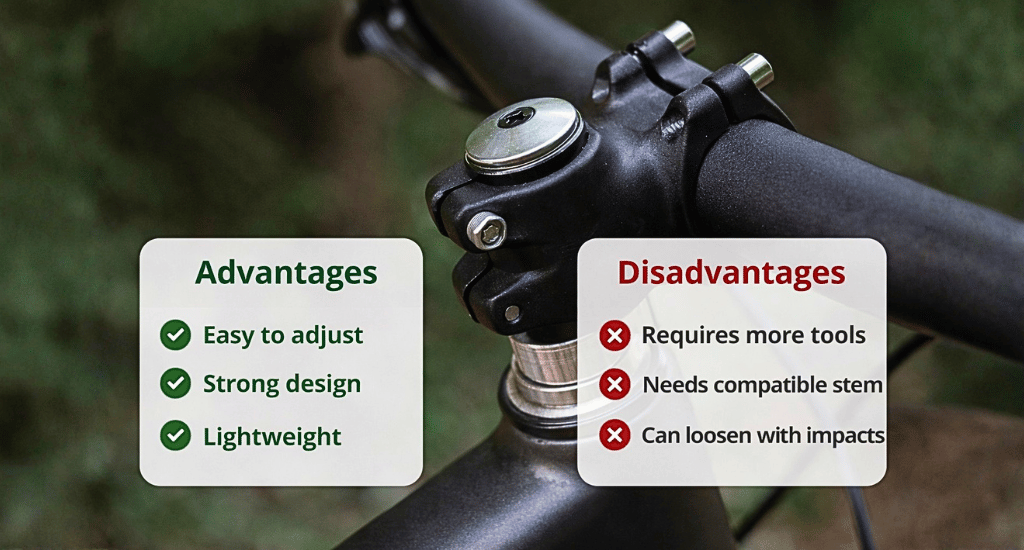
Threadless headsets became the industry standard for several practical reasons. The design is lighter because it eliminates the threaded locknut and allows thinner steerer tube walls. The external stem clamp creates a stiffer, more rigid connection than a quill stem inside the steerer.
Adjustment is simpler. A standard 5mm or 6mm Allen key handles all preload and stem bolt adjustments, while threaded systems require large headset wrenches that most riders do not carry. Field repairs become possible with a basic multi-tool.
Manufacturing costs are lower because one fork length can be cut to fit any frame size. Sealed cartridge bearings are common in threadless systems, reducing maintenance intervals and improving durability compared to loose ball bearings in older designs.
Disadvantages of a Threadless Headset
Threadless headsets have one notable limitation: stem height adjustment depends entirely on steerer length. Once the steerer tube is cut, raising the handlebars higher requires replacing the fork or using adapters. This means riders must decide on their final position before making the cut.
Quill stem adapters exist that insert into a threadless steerer and accept a traditional quill stem, allowing some height increase. However, these adapters add complexity and slightly reduce the stiffness advantage of the threadless system.
What Size Threadless Headset Do I Need? (80-100 words)
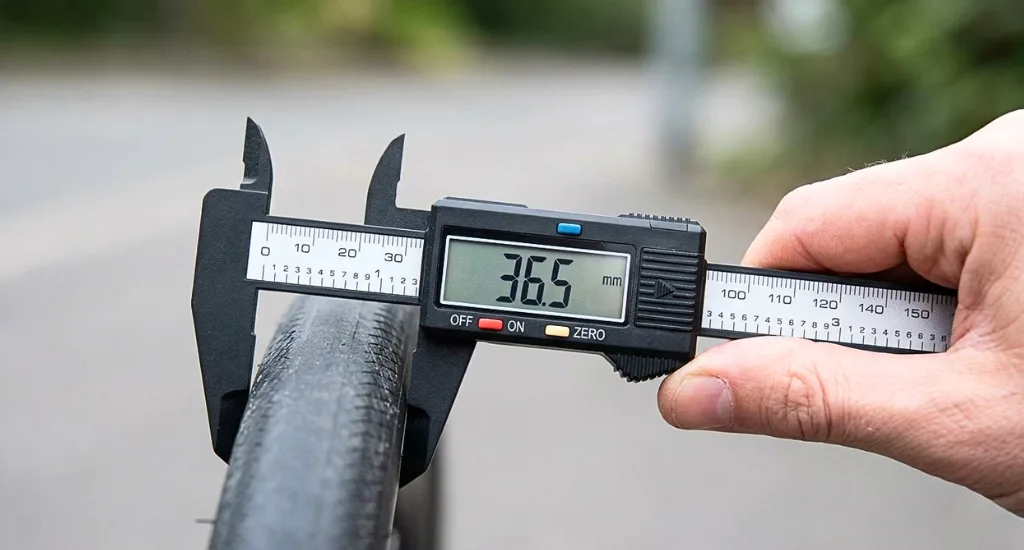
Measure the steerer tube outer diameter with calipers to determine headset size. Also measure the head tube bore to identify whether you need external cup (EC), zero stack (ZS), or integrated (IS) bearings. Reference SHIS codes when ordering a replacement and match existing headset specifications.
| Steerer Size | Diameter | Common Use |
|---|---|---|
| 1 inch | 25.4mm | Vintage, track |
| 1 1/8 inch | 28.6mm | Modern standard |
| Tapered | 28.6mm top / 40mm bottom | Modern MTB, gravel |
The top cap preload bolt is typically 5mm or 6mm Allen, and stem binder bolts are usually 4mm or 5mm. A standard cycling multi-tool covers all threadless headset adjustments.
Conclusion
Threadless headsets are the modern standard for good reason. They offer lighter weight, stiffer steering, and easier maintenance than threaded systems. Understanding the types – external cup, zero stack, integrated, and tapered – helps when replacing components or upgrading your bike. Measure your steerer tube diameter and head tube bore before ordering any parts. Follow BicycleXpert for more drivetrain and cockpit maintenance guides.
FAQs
What is the advantage of a threadless headset?
Lighter weight, stiffer steering, and easier adjustment with standard Allen keys. No large wrenches needed. Sealed cartridge bearings require less maintenance than threaded systems.
Can I use a quill stem on a threadless fork?
Yes, with a quill stem adapter. The adapter inserts into the threadless steerer and accepts a standard quill stem for increased handlebar height adjustment.
What size Allen key adjusts a threadless headset?
The top cap bolt requires a 5mm or 6mm Allen key. Stem binder bolts typically use 4mm or 5mm. A standard cycling multi-tool covers both.
How do I know if my headset is threadless?
Look above the headset. If the stem clamps around the outside of the steerer tube with binder bolts, it is threadless. Quill stems inserting inside indicate threaded.
Why does my threadless headset feel loose?
The top cap preload is too low, or the stem binder bolts are not tight. Loosen binder bolts, tighten top cap to remove play, then re-tighten binder bolts securely.