

Mountain bikes handle pavement just fine. Riding one on the road causes no damage and works well for daily trips around town. Many riders wonder can a mountain bike be used on the road without hurting the bike or falling behind in speed, and the short answer is yes, with a few trade-offs.
Knobby tires and a sturdy frame make mountain bikes forgiving on curbs, potholes, and cracked pavement. Speed and efficiency drop on longer paved rides, though, since the design leans toward traction rather than rolling speed. Weight also plays a role, since suspension parts add bulk that road bikes simply don’t carry.
This blog breaks down safety, real performance differences, smart upgrades, and situations where a mountain bike genuinely earns its keep on the street. Stick around for a full comparison against road bikes, too.
Is It Safe to Ride a Mountain Bike on the Road?
Riding a mountain bike on paved streets is safe. It actually puts less stress on the frame than trail riding does, since pavement lacks the sudden impacts that rocks and roots cause off-road.

Smooth surfaces reduce wear on suspension components, brake systems, and even the rider’s joints. No hidden drops or loose gravel patches are waiting to throw off balance mid-ride. Pavement, in this sense, is far more predictable terrain.
Performance tells a different story once speed enters the picture. Knobby tires create noticeable drag on smooth asphalt, and that drag translates into slower average speeds. Riders often notice they tire out faster covering distances a road bike would handle without much effort.
Wider tire profiles add rolling resistance, too. None of this makes road riding dangerous, but it does mean adjusting expectations. Endurance rides that feel easy on a road bike may feel more demanding on knobby tires.
How to Improve a Mountain Bike’s Road Performance
A handful of targeted changes can turn a trail-ready mountain bike into a smoother, faster street companion. None of these upgrades will fully match a dedicated road bike, but they close the gap by a meaningful margin.
Swap to Slick or Semi-Slick Tires
Knobby tires exist for dirt grip, not pavement speed. Switching to slick or semi-slick tires cuts rolling resistance and boosts speed noticeably on paved roads.

Semi-slick versions keep light tread along the edges for the occasional gravel path or grassy shortcut, while staying smooth through the center for road efficiency. This single swap tends to deliver the most noticeable improvement of any upgrade on this list.
Adjust Tire Pressure
Higher tire pressure shrinks the contact patch between rubber and road, which lowers drag substantially. Most mountain bike tires perform well between 40 and 65 psi once they hit pavement regularly.
Checking the sidewall for the manufacturer’s recommended range before adjusting prevents overinflation and keeps ride quality balanced.
Fine-Tune Brake Setup
Road speeds and stopping patterns differ from trail riding, so proper bicycle brake handle adjustment matters more than riders expect. Lever reach and tension may need tweaking for quick, confident stops in traffic. A poorly adjusted brake lever can feel spongy or delayed exactly when a fast stop is needed most.
Consider Lighter Wheels
Rotational weight affects acceleration more than most riders realize. Lighter wheels shave seconds off every stop-and-go moment common in city riding. This upgrade costs more than tires or pressure adjustments, but frequent commuters often find the investment worthwhile over time.
Use Suspension Lockout When Available
Many mountain bike forks include a lockout switch that stops energy loss into the suspension while pedaling on flat ground. Flipping this on before a paved ride keeps pedaling power moving forward instead of bouncing into the fork.
Riders without this feature can still benefit from firming up suspension settings if the fork allows manual adjustment.
When a Mountain Bike Works Well for Road Riding
Plenty of riders get real, practical value from using a mountain bike on the road, particularly for short trips and mixed-surface routes. Commutes, errands, and casual rides rarely demand racing speed, which plays right into a mountain bike’s strengths.
Riders who move between pavement, gravel paths, and the occasional dirt trail benefit most from this versatility. Owning one bike that handles all three surfaces beats maintaining separate bikes for each type of terrain.
Mountain bikes tend to perform particularly well in these situations:
- Navigating potholes, cracked pavement, or uneven curb cuts common in older neighborhoods
- Riding routes where surface conditions shift unpredictably from block to block
- Commuting short distances where comfort matters more than top speed
- Handling spontaneous detours onto unpaved shortcuts or park paths
- Carrying cargo or panniers, since the sturdier frame handles extra weight well
Long-distance, road-only cycling tells a different story. Riders training for speed, covering twenty or more miles regularly, or joining group road rides, will feel the added weight and tire drag fairly quickly. At that point, a dedicated road bike becomes the smarter investment, since it prioritizes exactly what those riders need most.
Mountain Bike vs Road Bike on Pavement
A fair Mountain Bike vs Road Bike comparison on paved surfaces comes down to three main factors. Weight, tire design, and intended riding purpose separate these two categories more than anything else.
Weight and Frame Construction
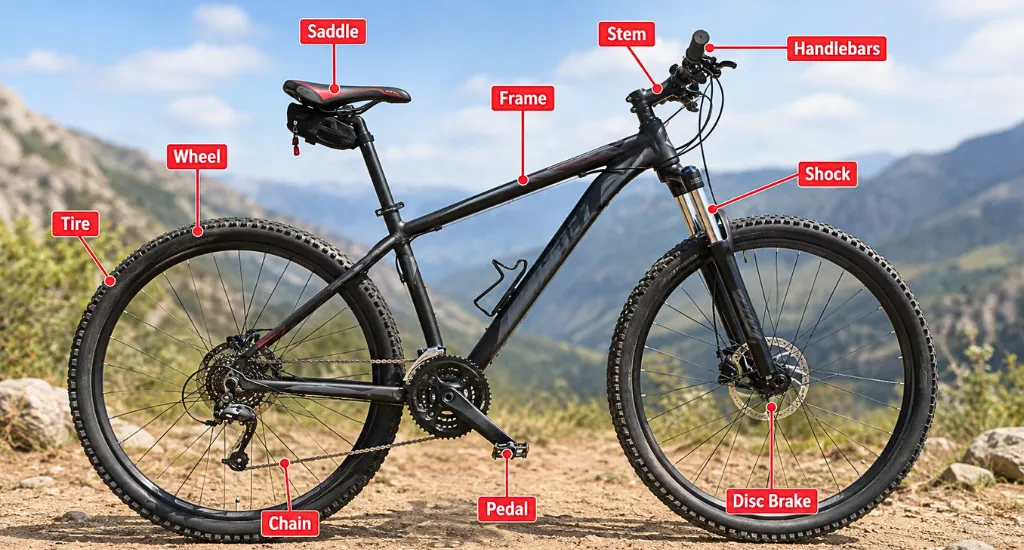
Mountain bikes carry extra weight from suspension forks, reinforced frames, and wider components built to survive rough trails. Road bikes stay deliberately lighter, built purely around speed and quick acceleration on smooth, predictable surfaces.
Tire Type and Rolling Resistance
Wide, knobby tires increase surface contact and drag substantially on pavement. Road bike tires run thin and smooth, engineered to minimize resistance and maximize efficiency mile after mile.
Comfort and Long-Term Durability
Mountain bikes offer stronger shock absorption and a more upright seating position, which suits casual riders and commuters well. Road bikes prioritize speed above comfort and tend to wear down faster when exposed to debris, potholes, or rough city streets.
| Feature | Mountain Bike | Road Bike |
|---|---|---|
| Weight | Heavier | Lighter |
| Tires | Wide, knobby | Thin, smooth |
| Comfort | Higher | Lower |
| Speed | Slower | Faster |
| Durability on rough streets | Stronger | Weaker |
Tips for Riding a Mountain Bike on the Road Safely
A handful of simple habits keep road rides smooth and trouble-free on a mountain bike. None of these requires advanced mechanical skill, just consistent attention before and during rides.
Check Tire Pressure Before Every Ride
Low pressure increases drag and raises the risk of pinch flats on hard pavement. A quick pressure check before heading out saves effort later and prevents frustrating mid-ride surprises.
Inspect Brake Pads on a Regular Schedule
Road riding often involves more frequent braking at intersections and traffic stops than trail riding does. Worn brake pads reduce stopping power over time, so replacing them on schedule keeps every ride safer.
Use Visibility Gear in Traffic
Reflective clothing, front and rear lights, and bright accessories help drivers spot cyclists more easily. This matters especially during early morning commutes or evening rides when natural light fades quickly.
Adjust Riding Posture for Comfort
Sitting upright reduces strain on the back and wrists during longer road sessions. Small handlebar or seat height adjustments can significantly improve comfort without incurring major costs.
Set Up for a Comfort-Focused Ride
Riders who plan to convert a mountain bike to a comfort bike setup often add a cushioned saddle, upright handlebars, and slick tires. This combination suits casual road riders who value comfort and control over racing speed. It also makes the bike more approachable for family rides or relaxed weekend outings.
End Note
A mountain bike can be used on the road reliably, especially for casual rides, commutes, and mixed-terrain routes where comfort and versatility matter most.
Riders who cover long paved distances often, though, will benefit more from tire swaps, small upgrades, or eventually switching over to a dedicated road bike built specifically for speed and efficiency.
FAQs
Can you use a full-suspension mountain bike on the road?
Yes, you can. Full suspension adds weight and absorbs pedaling energy, making rides feel slower overall. It works fine for short trips but isn't ideal for long, fast road cycling sessions.
Can I use a mountain bike for regular cycling?
Yes, mountain bikes handle regular cycling well, especially commutes and errands. They offer comfort and durability, though riders will notice more effort needed compared to lighter, road-specific bikes.
Are mountain bikes good for everyday use?
Yes, they're practical for everyday use. Sturdy frames and wide tires handle potholes, curbs, and mixed surfaces easily, making them reliable choices for city and suburban riding.
Is mountain biking bad for scoliosis?
Not typically. Mountain biking's upright posture can actually feel more comfortable than hunched road cycling positions. Riders with scoliosis should still consult a doctor before starting any new activity.
How much slower is a mountain bike on the road?
Mountain bikes run roughly 15 to 20 percent slower than road bikes on pavement. Knobby tires and added weight create drag, reducing overall speed and efficiency on paved surfaces.


