
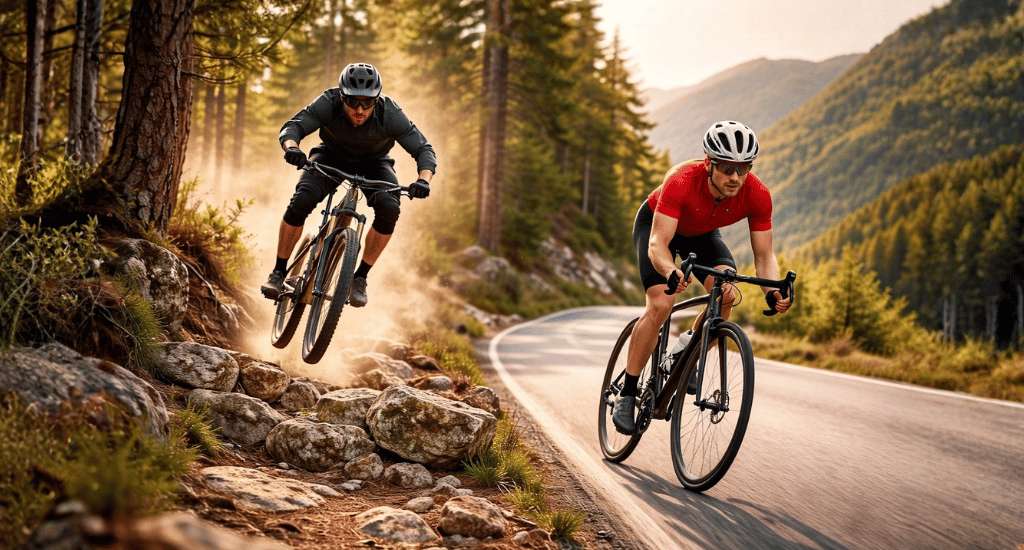
A bike choice can change how rides feel every single day. The mountain bike vs racing bike topic often confuses U.S. riders who ride on streets, open roads, or rough paths and want real comfort.
Some bikes suit smooth roads and long rides. Other bikes handle dirt, bumps, and sharp turns with ease. Fitness goals, body effort, and daily ride places all play a quiet role in this choice.
This blog talks about ride surfaces, speed needs, comfort level, and health aims linked to each bike type. It also clears common doubts new riders face. Read this blog to see which bike fits your life best.
What Is A Mountain Bike?
A mountain bike is built for rough paths, dirt roads, hills, and uneven ground. It has a strong frame and wide tires that help keep balance when the surface feels loose or broken.
This bike suits parks, trails, forests, and places with rocks or mud. The design helps riders stay stable and feel less shock when the ground feels hard or full of bumps.
Here are the core features of a mountain bike:
- Wide tires with deep grips help hold the ground on dirt and loose paths.
- Strong frame supports body weight during rough path use and sudden drops.
- Front or full suspension reduces shock from stones, roots, and uneven surfaces.
- Flat handlebars give better control and a steadier hand position on tricky routes.
- Lower gear range helps climb hills without heavy leg strain.
What Is A Racing Bike?
A racing bike is made for smooth roads and high-speed rides. It has a light body and thin tires that roll fast on flat surfaces with less push from legs.
This bike suits long road rides, fitness training, and city streets with clean pavement. The design helps riders move faster while using less energy on straight and open routes.
Here are the core features of a racing bike:
- Thin tires reduce road contact and help maintain speed on smooth surfaces.
- Lightweight frame supports quick movement and easier control at higher speeds.
- Drop handlebars allow varied hand positions during long and fast rides.
- Higher gear range supports fast riding on flat roads and gentle slopes.
- A narrow body shape helps cut air resistance during steady road rides.
Mountain Bike vs Racing Bike: The Core Differences
Bike choice depends on speed needs, riding surface, body comfort, and fitness goals. These core differences show how each bike behaves on real roads, trails, hills, and daily riding situations across the United States.
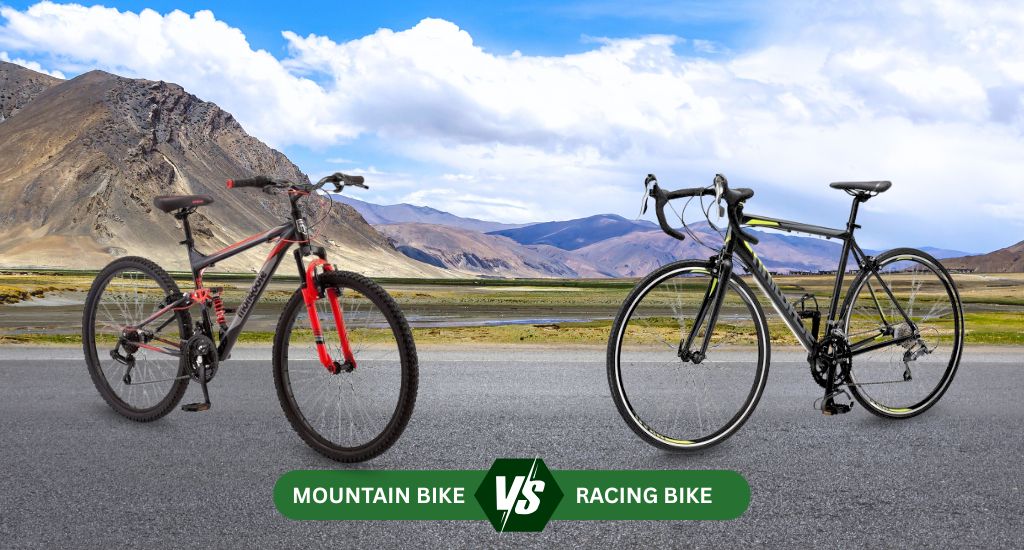
Performance Tradeoff – Speed vs Control
A racing bike focuses on speed and smooth movement on paved roads. Its shape reduces air pressure, and the tires roll easily. This helps riders keep a steady speed during long rides, especially on flat highways and city roads. Climbing on clean pavement feels efficient due to direct power transfer.
A mountain bike focuses on control and balance. It stays stable on rocks, dirt, and uneven ground. Shock absorption helps during downhill rides, and wider tires improve grip. Speed feels lower (10-12 mph), but safety and control stay strong on rough or unpredictable surfaces.
Tire Design & Width
Mountain bikes use wide tires with deep tread patterns. These tires grip dirt, gravel, and mud well. Lower air pressure improves traction and comfort on rough paths. Rolling resistance feels higher, yet puncture risk drops during trail rides and off-road use.
Racing bikes use thin, smooth tires with higher air pressure. These tires roll fast on pavement and support long-distance rides. Proper PSI settings suit U.S. road conditions and help riders maintain speed while avoiding frequent tire damage.
Suspension vs Rigid Frame
Mountain bikes come with front suspension or full suspension systems. These parts absorb shocks from bumps, roots, and drops. This reduces body stress during long rides and helps riders stay comfortable on trails. Extra parts increase service needs over time.
Racing bikes use rigid frames without suspension. Energy moves straight from legs to wheels, which improves speed and climbing on roads. Fewer moving parts lower maintenance demands, making upkeep simpler for riders who ride mostly on pavement.
Riding Position & Comfort
Mountain bikes support an upright riding posture. This position reduces pressure on the neck, shoulders, and lower back. New riders often feel more relaxed, and longer rides feel easier on joints, especially on mixed surfaces and casual routes.
Racing bikes place riders in a forward-leaning posture. This position improves airflow and speed but adds strain during long rides. Proper bike fit and core strength become important to stay comfortable over extended road distances.
Gearing & Climbing Ability
Mountain bikes offer a wide gear range that supports climbing steep hills and uneven ground. Lower gears reduce leg strain and help riders maintain balance on loose surfaces. This setup suits trails, hills, and unpredictable terrain.
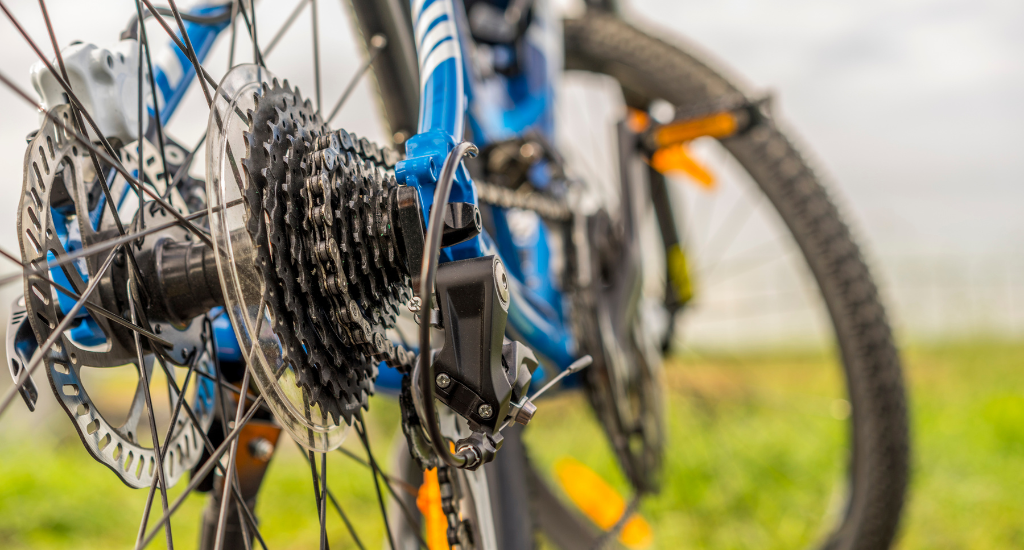
Racing bikes use a narrower gear range designed for speed. These gears work best on flat roads and gentle climbs. Steep hills feel harder, but smooth pavement keeps effort steady and predictable during road rides.
Weight & Frame Differences
Mountain bikes weigh around 30 lbs, due to stronger frames and suspension parts. This extra weight improves durability on rough terrain. Carrying upstairs or lifting onto car racks feels harder, which matters for many U.S. apartment and city riders.
Racing bikes stay light (15 lbs) and slim. Lower weight helps with quick starts and uphill acceleration. Carrying feels easier during storage or travel. This difference explains the mountain bike vs racing bike weight in daily use.
Key Decision Factors for Beginners
Racing bikes feel fast and responsive, yet they demand balance and road awareness. New riders may feel unsure at first. Skill growth improves efficiency over time, but early rides may feel uncomfortable without experience.
Mountain bikes feel stable and forgiving. Wider tires and upright posture help riders gain confidence quickly. This makes Mountain bike vs racing bike for beginners an important choice for first-time cyclists.
Fitness & Weight Loss Benefits
Racing bikes support long rides at a steady pace. Riders cover more distance with less resistance, which helps heart health and endurance. Calorie burn stays consistent during extended road sessions.
Mountain bikes demand more effort per mile. Trails, climbs, and surface changes increase intensity. This improves strength, balance, and body control. Many riders prefer this style for active workouts.
Cost & Maintenance Considerations
Mountain bikes require higher upkeep due to suspension systems, tire wear, and drivetrain stress. Service costs add up over time, especially for frequent trail riders in the U.S. Replacement parts also cost more.
Racing bikes need less routine service. Fewer moving parts reduce maintenance frequency. Upgrade components may cost more, but overall ownership stays simpler. Searches like anime racing bike vs mountain bike often focus on style, yet cost matters more.
Mountain Bike vs Racing Bike: Differences At a Glance
This quick overview helps riders see real-world differences without deep details. It highlights daily use, comfort, speed, and upkeep so readers can judge mountain bike vs racing bike pros and cons at a single glance.
| Feature | Mountain Bike | Racing Bike |
| Terrain | Trails, dirt paths, uneven ground | Paved roads, city streets, long rides |
| Speed | Moderate pace, control focused | High speed on smooth surfaces |
| Control | Strong grip on rough terrain | Limited grip off-road |
| Comfort | Upright posture, body-friendly | Lean posture, neck and back strain |
| Gearing | Wide range, hill-friendly | Narrow range, speed-focused |
| Weight | Heavier, durable frame | Light, quick handling |
| Maintenance | Higher due to suspension | Lower with fewer moving parts |
| Best For | Adventure rides, beginners, mixed terrain | Fitness rides, commuting, speed-focused users |
Clear Buyer Recommendations for Mountain Bikes and Racing Bikes
Choosing the right bike depends on where you ride, your fitness goals, and comfort needs. This section helps match riders with the best bike type for real life.
Choose Mountain Bike If
Mountain bikes suit riders who prioritize control, comfort, and adventure. They excel on uneven trails, mixed surfaces, and rough terrain while helping beginners gain confidence and stability.
- Trail Explorer: Handles dirt paths, rocks, and mud with excellent stability and grip.
- Comfort Rider: Upright posture reduces neck and back strain for longer rides.
- Beginner Friendly: Wider tires and a forgiving frame make learning safer and easier.
- Mixed Terrain Specialist: Works on streets, parks, and off-road paths without major issues.
- Adventure Seeker: Perfect for weekend trail rides and outdoor explorations.
Choose a Racing Bike If
Racing bikes fit riders seeking speed, efficiency, and fitness gains on paved roads. They work best for long distances, smooth surfaces, and workouts focused on endurance and calorie burn.
- Speed Enthusiast: Aerodynamic frame and thin tires help maintain high speeds easily.
- Fitness Rider: Efficient power transfer supports long cardio sessions and endurance training.
- Long-Distance Cruiser: Ideal for city roads, highways, and extended rides with minimal effort.
- Road Commuter: Light frame and smooth tires make daily commuting faster and easier.
- Efficiency Seeker: Narrow gearing and high-pressure tires reduce rolling resistance on pavement.
Conclusion: Choosing the Right Bike for Your Life
Deciding between a mountain bike vs racing bike comes down to matching the bike to your terrain, fitness goals, and riding style. Trails, city streets, long distances, or rough paths all demand different strengths.
Mountain bikes offer control and comfort on uneven surfaces, while racing bikes provide speed and efficiency on smooth roads. U.S. riders should weigh their daily routes, body comfort, and fitness aims. Pick the bike that fits your lifestyle and enjoy every ride with confidence.


