
Trail dust on your shoes sets the mood before a ride. Mountain Bike vs Cross-Country sits at the center of many bike talks since both bikes serve very different ride goals.
This mix-up comes from the wide MTB world. XC, Trail, Enduro, and Downhill share one family, yet each suits a special path, ground type, and ride feel.
This blog shows how speed, climb power, shock size, frame shape, ride feel, and trail type shape each bike. Read on to see which bike fits your paths and goals.
Mountain Bike vs Cross-Country: Core Performance Differences
Every mountain bike feels unique on dirt, yet clear design rules guide speed, control, comfort, and trail use across cross-country, trail, enduro, and downhill models for riders.
Speed & Pedal Power
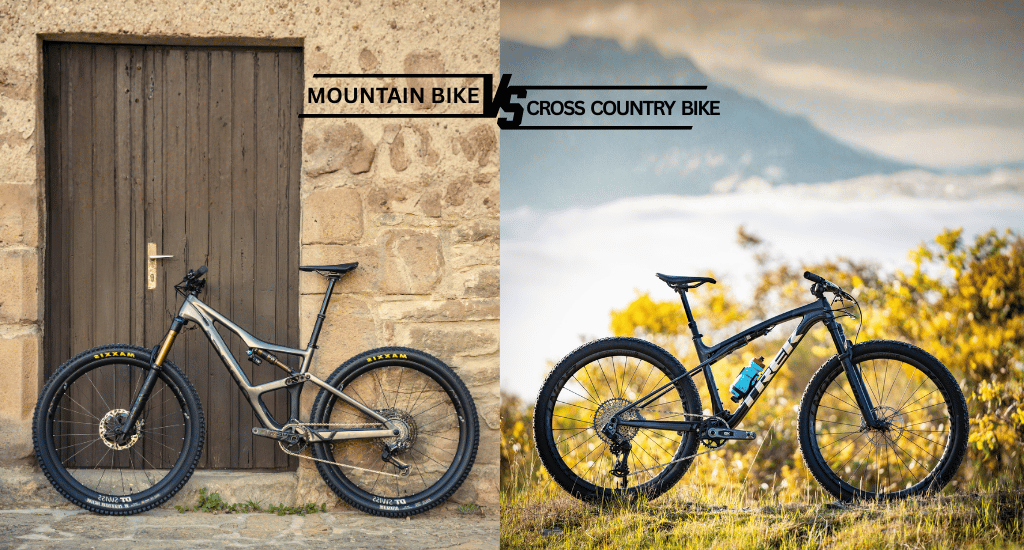
Cross-country bikes move faster than regular mountain bikes because their frames stay light and stiff, which lets pedal force reach the wheels with little loss during each hard push forward. Trail-style mountain bikes have more moving parts in the frame, which use part of the rider’s energy to control motion instead of pure forward drive.
A mountain bike built for trail use feels slower on flat paths because longer shocks and heavier frames absorb some of that power. This makes the ride smoother, yet it lowers speed compared to a cross-country bike on smooth and rolling terrain.
Trail-style mountain bikes lose speed because of
- Extra shock parts
- Heavier frame tubes
- Slacker frame shape
Climb Power
Cross-country bikes lead on hills because their light frames and short shocks keep the bike firm and steady while the rider pushes the pedals. The sharp front angle keeps the front wheel low, which helps the bike stay straight on steep climbs.
Trail-style mountain bikes can climb hills, yet they feel slower on long slopes. More shock travel and extra weight use some rider power for motion control, which reduces how fast the bike moves uphill.
Suspension Travel
Shock travel shows how far the wheels move when they meet bumps. Cross-country bikes use short travel for speed, while trail mountain bikes use longer travel for better control and comfort on rough trails.
Short travel gives a firm ride that sends more pedal power into the wheels. Longer travel gives a softer ride that absorbs rocks and roots, which helps the rider stay stable on uneven ground.
|
Type |
Travel |
| XC | 80-120mm |
| Trail | 120-150mm |
| Enduro | 150-180mm |
| Downhill | 180-200mm+ |
Frame Shape and Control
Cross-country bikes have sharp front angles and short wheel space, which lets the bike turn fast and react quickly to small handle moves on tight and narrow trails. This shape gives a lively feel during quick turns and fast rides.
Trail-style mountain bikes have wider angles and longer frames, which give better balance on rough slopes. This shape turns more slowly, yet it feels safer and more stable when trails become steep or rocky.
Bike Weight
Cross-country bikes stay light because they use thin frames and small shocks, which helps riders keep speed during long rides and hard climbs. This light build also makes the bike easier to lift over small trail obstacles.
Trail-style mountain bikes weigh more because they use thick frames and large forks that handle rough ground. This extra weight adds safety and control, yet it reduces speed compared to a cross-country model.
Extra weight comes from
- Thick frame tubes
- Large shock forks
- Wide strong wheels
Downhill Skill
Cross-country bikes work well on smooth slopes, yet they feel shaky on steep drops because short shocks cannot absorb large hits from rocks or roots. Their light frames also feel less steady on fast downhill sections.
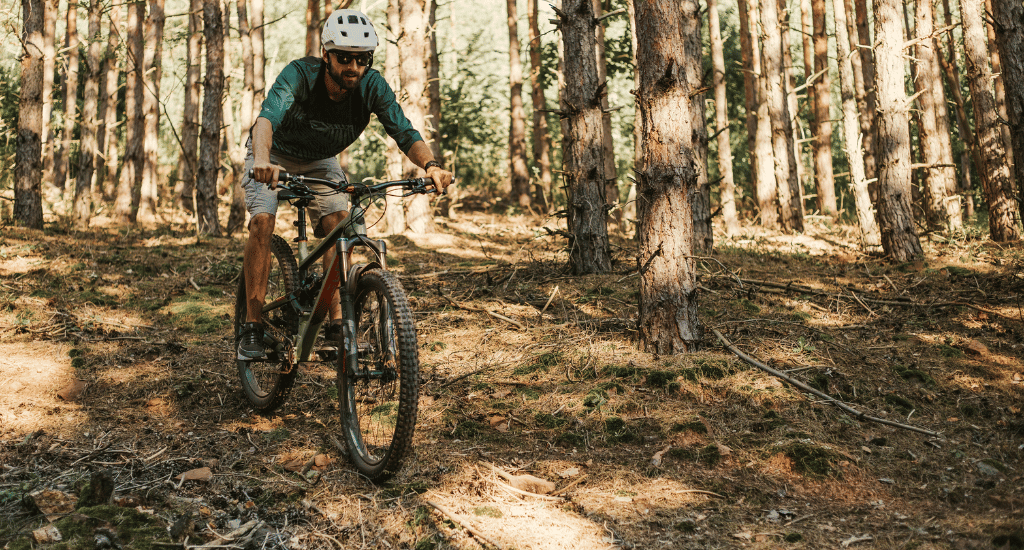
Trail-style mountain bikes feel safer on downhill paths since longer shocks and wider tires hold the ground better. This gives riders more trust on steep trails, even though the bike moves more slowly than an XC model.
Enduro and Downhill bikes suit
- Steep hills
- Rock paths
- Drops
- Jumps
Comfort and Ride Feel
Cross-country bikes feel firm because short shocks send more trail bumps into the frame and rider. This firm ride helps speed and pedal power, yet it gives less comfort on rough and rocky paths.
Trail-style mountain bikes feel softer since longer shocks absorb more trail impact. This softer feel helps riders stay relaxed during long rides on uneven trails with many roots and stones.
| Bike Type |
Ride Feel |
| XC | Firm |
| Trail | Balanced |
| Enduro | Soft |
Trail Type Fit
Cross-country bikes suit smooth dirt roads and clean trails where speed matters more than shock travel. Trail-style mountain bikes fit mixed paths with roots, rocks, and small drops that need more control.
| Terrain | Best Bike |
| Fire roads | Cross-Country |
| Smooth singletrack | Cross-Country |
| Mixed trails | Trail |
| Rocky and steep | Enduro |
| Bike parks and jumps | Downhill |
Rider Effort
Cross-country rides include many hills and flat sections, so the rider pedals most of the time during a full trail day. This bike suits riders who enjoy fast rides and steady leg work.
Trail-style mountain bikes give a more relaxed ride with short climbs and smooth downhill parts. This mix gives riders more rest time between hard pedal pushes on longer trail sessions.
Race Use and Fun Use
Cross-country bikes suit race paths and fitness rides where speed and time matter most. Their light frames and fast response help riders keep a strong pace on smooth and rolling ground.
Trail-style mountain bikes suit fun trail days where control and comfort matter more than speed. These bikes feel playful and steady, which makes them better for relaxed rides on mixed terrain.
| Bike Type |
Main Use |
| XC | Race and fitness |
| Trail | Fun and play |
| Enduro | Hard trail days |
| Downhill | Park and jump |
Strength and Hard Use
Cross-country bikes do not suit heavy drops or hard landings because light frames and short shocks cannot handle large hits. These bikes last longer on smooth trails with small bumps.
Trail-style mountain bikes use strong frames and wide wheels that handle rough landings and rocky paths. This strong build lets riders push harder without fear of damage.
How to Choose Between XC and Other Mountain Bikes
The right bike depends on where you ride, how fast you want to move, and how rough your local trails feel. This short guide helps match each rider with the bike that fits daily trail use.
Choose XC for Speed and Long Rides
XC bikes suit riders who enjoy fast rides on smooth trails and long dirt roads. Their light frames and short shocks help the bike roll forward with less effort, which makes long rides feel easier and more fun.
Choose a Mountain Bike for Mixed Trails
Trail-style mountain bikes fit riders who ride on smooth paths one day and rough trails the next. Extra shock travel and strong frames give better comfort and control when the ground changes often.
Think About Your Local Trails
Flat and smooth paths work very well with XC bikes that move fast and stay firm. Trails with roots, rocks, and small drops need a mountain bike that keeps the rider safe and steady.
Match the Bike to Your Ride Style
Riders who enjoy fast pedal work and a steady pace may prefer XC bikes on most days. Riders who enjoy relaxed rides and downhill paths may feel better on mountain bikes.
Budget and Bike Care Also Matter
XC bikes often cost less and feel simpler to keep because they use fewer parts. Trail mountain bikes cost more and need extra care, yet they give better safety on rough ground.
End Note
Mountain Bike vs Cross-Country comes down to what you want from every ride. XC bikes suit riders who love fast climbs and long, smooth trails. Mountain bikes bring balance, comfort, and better control on mixed ground and rough paths.
No single bike fits all riders or all trails. Think about where you ride and how you like to move on dirt. This guide helps you see which style fits your goals, so each ride feels fun and right.
FAQs
Why are XC bikes faster than mountain bikes?
XC bikes are faster because they use light frames, short shocks, and firm parts that send pedal force straight into the wheels. This helps the bike move ahead with less energy loss on smooth trails.
Are trail bikes better than XC bikes?
Trail bikes are better for rough and mixed trails because they use longer shocks and stronger frames that give more control. XC bikes still win on smooth paths where speed and easy pedaling matter more.
Which MTB is best for beginners, or XC bikes?
Trail mountain bikes are better for beginners because they feel more stable and forgiving on bumps. XC bikes feel firm and fast, which may feel hard for new riders who ride on uneven trails.


