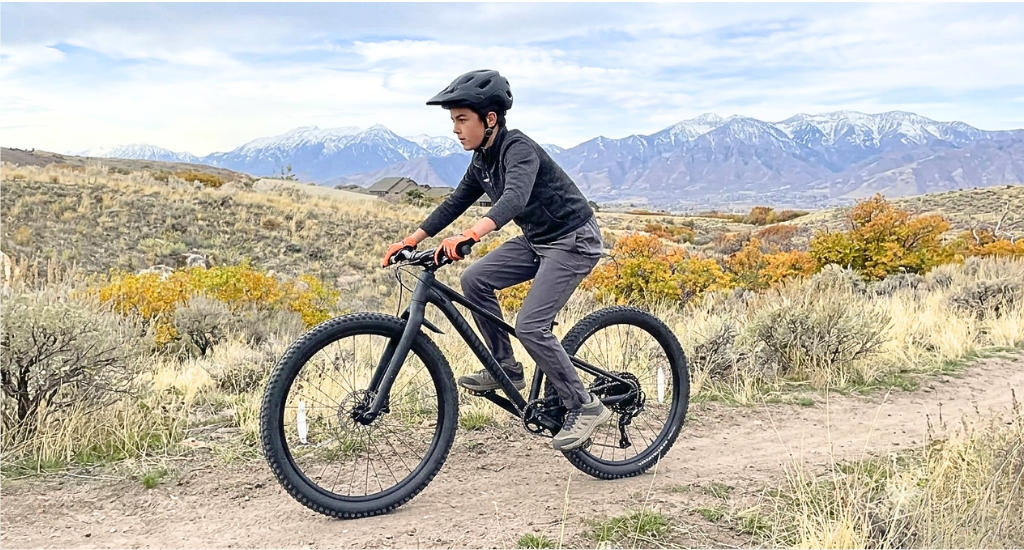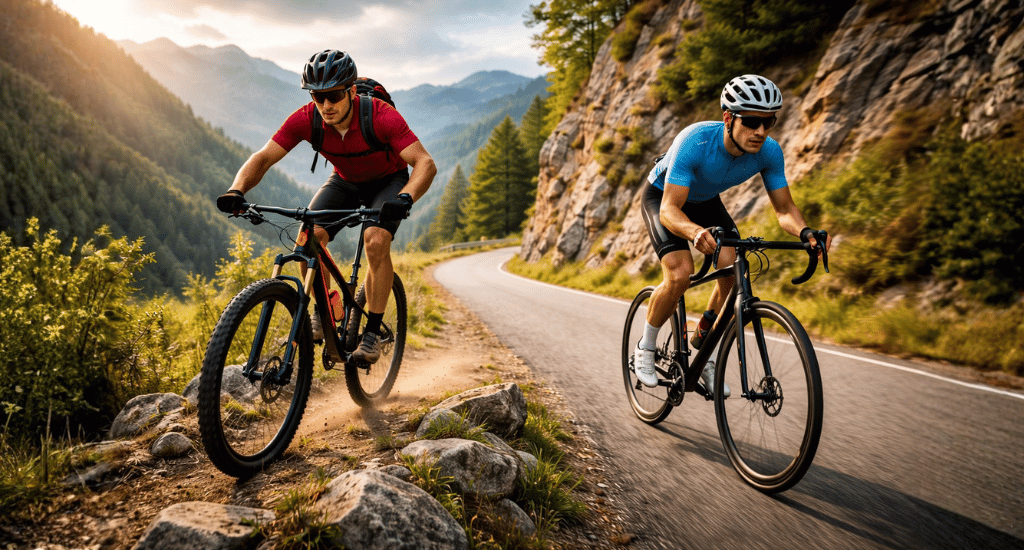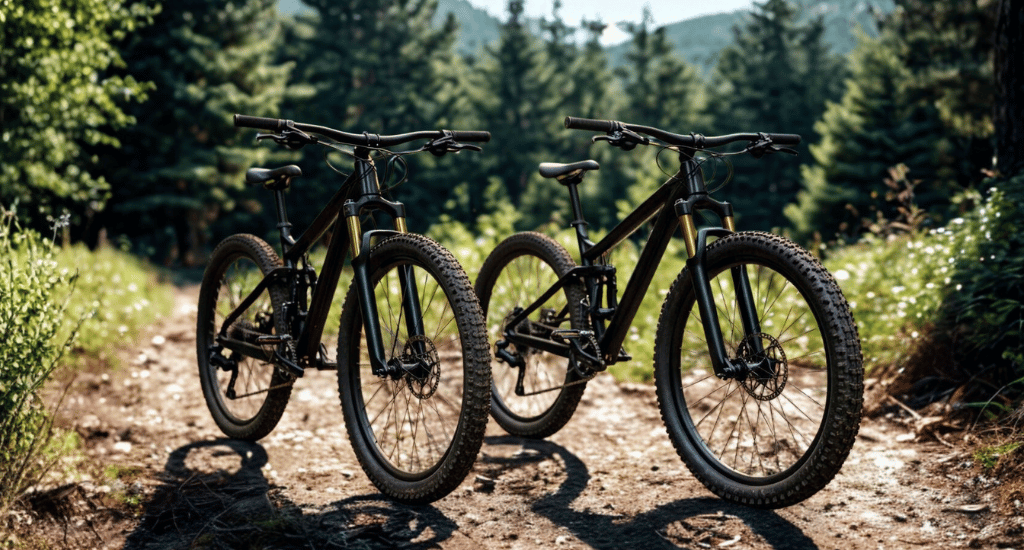
Tires decide how a mountain bike feels on every trail. The debate around 2.0 vs 2.2 mountain bike tires starts with width, since tire width shapes speed, grip, and bike control.
Small numbers on the tire sidewall cause real change on dirt. A 2.2 tire holds more air and has more rubber on the ground, while a 2.0 tire stays lighter and rolls faster.
This guide breaks down feel, speed, grip, and trail match with clear facts. Read on to see data, rider sense, and answers that help you pick the right tire size.
2.0 vs 2.2 Mountain Bike Tires (Core Comparison)
Small size changes create clear ride differences on a trail. This section explains how tire width affects speed, grip, comfort, and control, using real ride feel and simple numbers riders can trust.
Tire Width Explained (2.0 vs 2.2)

Tire width tells how wide the tire casing is when mounted and filled with air. This size uses inches, but the real width shows in millimeters, which helps riders sense true ground contact.
|
Tire Size |
Approximate Width |
|
2.0 tire |
50-51 mm |
|
2.2 tire |
55-57 mm |
A change of four to seven millimeters may look small, yet it shifts the ride feel. The wider tire spreads weight over more ground, while the narrower tire stays tighter and quicker on firm trails.
Rolling Resistance & Speed
A 2.0 tire rolls with less effort on hard and smooth ground. The narrow shape cuts contact with dirt, which helps speed during flat sections and race tracks with firm soil.
Tests on trails and labs show 2.0 tires move about five to ten percent faster on smooth paths. A 2.2 tire slows slightly due to more rubber touching the ground, yet it adds calm control.
Grip & Traction Differences
Grip comes from how much rubber touches the soil. A 2.2 tire places more tread on the trail, which helps during climbs and sudden braking on loose ground.
Data shows 2.2 tires offer eight to fifteen percent more surface contact. Riders feel a stronger bite on gravel, dust, and wet roots, while 2.0 tires may slip sooner on soft terrain.
Comfort & Shock Absorption
Air volume affects how bumps feel under wheels. A 2.2 tire holds more air, which softens trail chatter and small hits that travel into hands and legs.
Wider tires allow two to five PSI less air pressure than 2.0 tires. This lower pressure eases body strain on long rides and keeps control steady on rough paths.
Cornering Stability & Control
Corner support depends on sidewall strength and footprint size. A 2.2 tire spreads wider during turns, which adds trust when leaning the bike at speed.
Lower pressure works better with wider tires. The larger corner footprint helps the bike hold its line, while 2.0 tires feel quicker but less calm in sharp turns.
Terrain Suitability
Terrain choice plays a big role in tire size comfort. A 2.0 tire suits hardpack trails and cross-country race tracks where speed and low drag matter most.
A 2.2 tire fits loose dirt, rocks, and roots with more ease. Many trail riders now view 2.2 as the base size for mixed terrain rides.
Weight Difference
Tire weight affects how fast wheels spin. A lighter tire reacts quicker during sprints and climbs, which race riders often prefer on smooth courses.
A 2.0 tire weighs about 600 to 650 grams, while a 2.2 tire sits near 650 to 720 grams. The gap feels real but not extreme for most riders.
Rim Compatibility
Rim width must match tire width for safe shape and control. A mismatch can cause tire wobble or poor corner hold during fast turns.
A 2.0 tire fits best on 19 to 23-mm rims. A 2.2 tire works well on 21 to 27 mm rims. Proper pairing keeps the tire stable and predictable.
Which Riders Should Choose 2.0 Tires?
Some riders care more about speed, light weight, and clean trail flow. A 2.0 tire fits riders who ride fast, stay on firm ground, and prefer a sharp and direct bike feel.
- Cross-country racers focus on speed, lap time, and fast rolling efficiency.
- Riders who ride smooth, packed trails with very few rocks or roots.
- Lightweight bike fans who want quick acceleration and easy climbing response.
- Riders who prefer higher air pressure between twenty-two and thirty PSI.
- Bikes with narrow rims or tight frame space around the tire.
Which Riders Should Choose 2.2 Tires?
Riders who face mixed trails often need comfort, grip, and steady control. A 2.2 tire suits those who value balance and safety over pure speed.
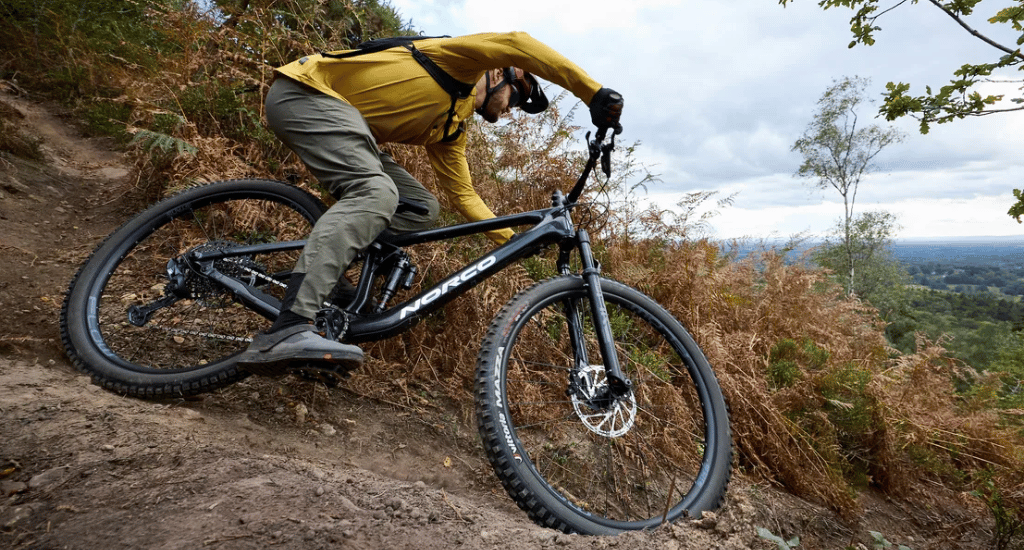
Trail & All-Mountain Riders
Trail and all-mountain riders meet loose dirt, roots, and rocks on one ride. A 2.2 tire adds wider ground contact, which helps the bike stay calm and controlled on changing surfaces.
Beginners & Confidence Riders
New riders benefit from a stable tire feel on rough paths. A 2.2 tire responds gently during turns and braking, which builds trust and reduces sudden slips during slow or fast riding.
Long-Distance & Endurance Riders
Long rides strain hands and legs over time. A 2.2 tire softens trail bumps and allows lower air pressure, which lowers body fatigue and limits pinch flat risk on rough ground.
Conclusion
2.0 = speed and efficiency. 2.2 = grip and control. That single line explains the heart of 2.0 vs 2.2 mountain bike tires. Trail type, ride style, and comfort shape the right choice far more than small speed gains on paper.
Hard trails and fast laps favor 2.0 tires. Loose dirt, long rides, and mixed paths suit 2.2 tires better. Pick the tire that matches where you ride most, not what sounds faster in theory.