
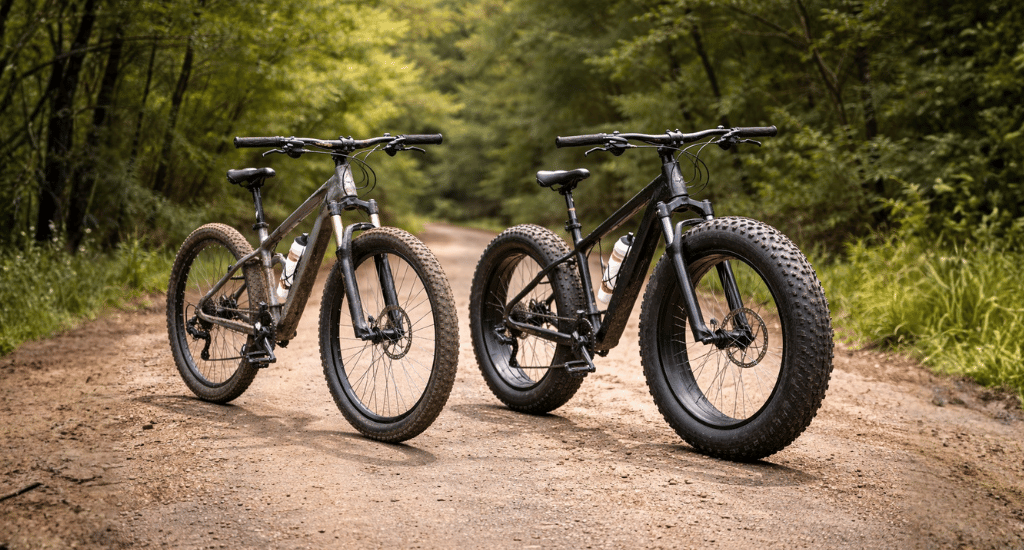
One bike can feel fast and sharp, another can feel calm and steady. Mountain Bike vs Fat Bike is a common question for off-road bike fans who want the right bike for rough ground.
A mountain bike focuses on speed, light weight, and quick control on trails. A fat bike uses very wide tires and low air pressure to stay on top of snow, sand, and mud.
Trail riders, beach riders, snow lovers, and new riders often feel unsure here. Read this blog to see clear differences, simple pros, real limits, and help that leads to a smart bike choice.
Mountain Bike vs Fat Bike (Main Comparison)
This section explains how mountain bikes and fat bikes differ in build, ride feel, and use. Each part breaks down one feature so new riders can see which bike fits their roads, trails, and weather.
Core Design Philosophy
A mountain bike focuses on fast travel and quick control. It suits narrow trails with rocks, roots, and sharp turns. The frame and parts help riders feel confident while moving at higher speeds.
A fat bike focuses on balance and grip on weak ground. It works well on snow, sand, and deep mud. The design helps the bike stay upright, where other bikes lose control.
Tire Width & Pressure (Key Physical Difference)
Tires shape how a bike rides. Width and air pressure decide how much ground the tire touches. This one factor changes speed, grip, comfort, and control across different surfaces.
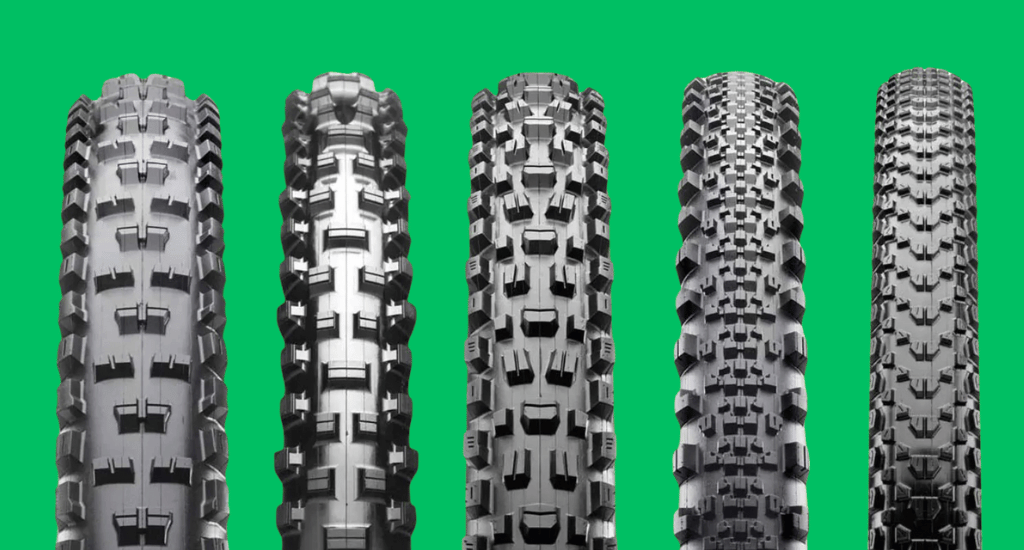
Mountain bike tires stay narrow, around 2.2 to 2.6 inches wide. Air pressure stays high. This helps smooth rolling and saves effort on firm trails and hard dirt paths. Fat bike tires stay very wide, around 3.7 to 5 inches or more. Air pressure stays low, often 5 to 15 PSI. This spreads weight and helps the bike stay above soft ground.
Terrain Performance Comparison
Each bike reacts in its own way to trail surfaces. Hard ground rewards speed and control. Soft ground demands grip and balance. This section explains how both bikes behave in these places.
Hardpack & Rocky Trails
Mountain bikes feel quick and steady on solid trails. Turns feel clean, and riders keep speed with less effort. Fat bikes feel slow here. Wide tires add weight and reduce sharp movement on firm ground.
Snow, Sand & Mud
Fat bikes stay above soft ground due to wide tires and low pressure. Control stays strong. Mountain bikes sink into soft ground. Narrow tires lose grip and make riding harder.
Speed, Weight & Efficiency
Mountain bikes weigh less and move faster. Pedal force turns into forward motion with ease. Long rides feel less tiring. Fat bikes weigh more due to large tires and strong frames. Speed drops, but control rises.
Suspension Setup
Mountain bikes use front suspension or full suspension. This helps handle rocks, drops, and roots with comfort. Fat bikes often stay rigid or use front suspension. Wide tires soften bumps on rough ground.
Frame Geometry & Handling
Mountain bikes use sharp frame angles. This shape helps with fast turns and close control on tight trails. Fat bikes use wider frames and longer wheelbases. This shape favors a balanced and calm ride feel over speed.
Mountain Bike vs Fat Bike Comparison Table
This table clearly illustrates the main differences between mountain bikes and fat bikes. It helps new riders compare key features at a glance before deciding which bike suits their riding style.
|
Feature |
Mountain Bike |
Fat Bike |
| Tire Width | 2.2–2.6 inches, narrow and firm | 3.7–5 inches or more, very wide |
| Terrain Suitability | Best for dirt trails, rocks, and hard ground | Best for snow, sand, mud, and soft ground |
| Speed & Efficiency | Faster and easier to pedal on trails | Slower due to wide tires and drag |
| Weight | Lighter frame and tires | Heavier because of the large tires |
| Suspension | Hardtail or full suspension common | Rigid or front suspension |
| Skill Level Suitability | Good for beginners to advanced riders | Easy for beginners on soft terrain |
Which One Should You Choose? (Decision Guide)
This section helps you match the bike with your age, comfort level, riding place, and goals. Each point explains one real-life situation, so the decision feels clear and simple.
Consider Your Age and Comfort Level
Younger riders or active adults often enjoy mountain bikes. The ride feels fast and lively. Fat bikes suit older riders or beginners because balance feels steady and calm, especially on loose ground.
Think About Your Usual Riding Surface
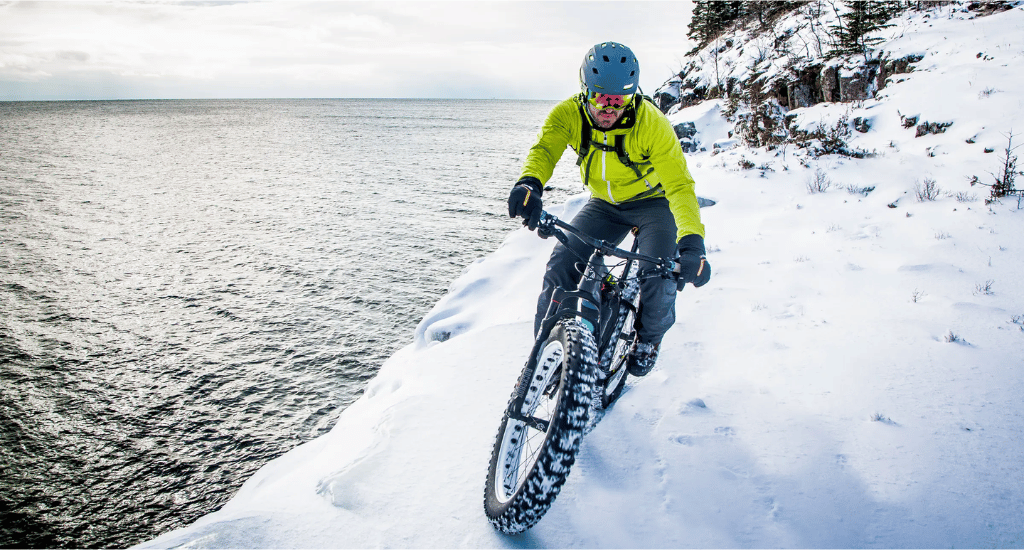
Hard dirt trails, parks, and forest paths suit mountain bikes. Snow, sand, beaches, and muddy roads suit fat bikes. The ground under your tires matters more than the bike’s look.
Decide How Much Speed Matters
Mountain bikes move fast with less effort. Long rides feel easier. Fat bikes move more slowly due to wide tires. Many riders prefer this slow pace for relaxed rides and better control.
Look at Your Skill and Confidence
Mountain bikes demand more control on rough trails. Riders with good balance enjoy this. Fat bikes feel forgiving. Wide tires help keep the bike upright, even when skills feel limited.
Think About Physical Effort
Mountain bikes feel lighter and easier on climbs. Fat bikes feel heavy but stable. Riders who tire easily often prefer mountain bikes for daily use and fat bikes for short, soft-ground rides.
One Bike or Two Bikes?
A fat bike works well in special places like snow or sand. For regular trails, a mountain bike feels better. Many riders use a mountain bike daily and keep a fat bike for rare conditions.
End Note
Mountain Bike vs Fat Bike comes down to how the bike feels on the ground. A mountain bike feels fast, light, and sharp on trails with rocks and turns. A fat bike feels calm and steady, with a strong grip on snow, sand, and soft paths.
The right choice starts with terrain. Think about where you ride most and how you like to ride. Mountain Bike vs Fat Bike is not about better or worse, but about the right match for your rides.
FAQs
Which is better, a fat bike or a mountain bike?
A mountain bike suits hard trails and fast rides, while a fat bike suits snow, sand, and soft ground. The better option depends on where you ride most and how much speed or control you prefer.
What are the disadvantages of a fat bike?
Fat bikes feel heavy and slow on hard trails. Wide tires create more drag, which requires extra effort. Long rides on firm ground can feel tiring compared to a mountain bike.
Are fat bikes harder to ride?
Fat bikes feel easy on snow, sand, and mud due to their wide tires and strong grip. On normal trails, they feel harder to control because the slow speed and weight reduce quick response.
Can you use a fat bike on normal mountain trails?
Yes, a fat bike works on normal trails, but the rides feel slow. Wide tires reduce sharp turns and fast climbs. Many riders use fat bikes only when trails turn soft or snowy.
Is a mountain bike better than a regular bike for off-road riding?
Yes, a mountain bike suits off-road paths better. Strong tires, stable frames, and suspension help handle bumps, rocks, and loose dirt that normal bikes struggle to manage safely.


