

Dirt feels different the moment tire width changes. A small increase can turn a rough ride into a smooth one. This is why 2.4 vs 2.6 mountain bike tires stay a hot topic for trail riders. These two sizes look close, but they change how a bike feels on rocks, roots, and loose soil.
Tire width matters because it controls grip, speed, and comfort. A wider tire can reduce trail chatter and give more contact with the ground. A narrower tire can feel faster and make the bike feel more precise on hard trails.
This blog will show which size fits your riding style and bike. Read ahead to learn about real trail use, speed, pressure, and front and rear setups.
What do 2.4 and 2.6 Mean in MTB Tires?
The numbers 2.4 and 2.6 show tire width in inches. This means how wide the tire becomes when air fills it. It does not describe the rim size or the tire height.
A 2.4 tire stays slimmer on the trail. A 2.6 tire spreads wider and makes a larger contact patch. This is the part of the tire that touches the ground while riding.
Casing size controls how much air fits inside the tire. A larger casing holds more air and can reduce trail chatter. This helps on rocky or root-filled trails.
A smaller casing feels firmer and more direct. The bike reacts faster in turns and feels more precise. Many riders prefer this feel on smooth trails or mixed climbing and descending.
How Tire Width Impacts Performance
Tire width affects how a mountain bike feels on every trail. Wider tires give more grip and comfort, while narrower tires feel faster and lighter. This difference changes control, speed, and rider confidence.
A 2.4 tire suits smooth and mixed trails. A 2.6 tire fits rough and loose terrain. Both work well, but each size supports a different riding style and trail condition.
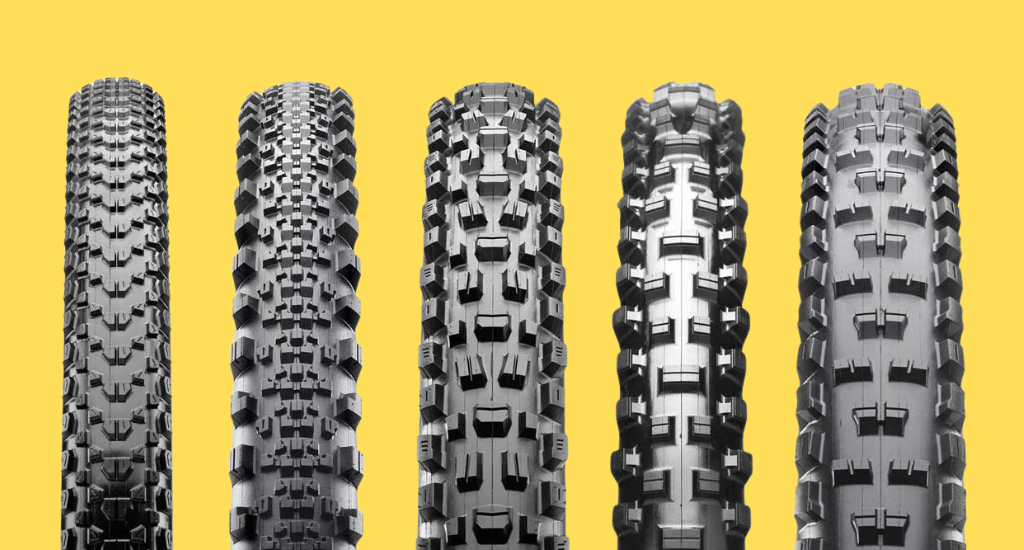
Traction and Grip
- Wider tires place more rubber on loose and soft trail surfaces
- A bigger tire gives a stronger grip on wet and muddy sections
- Narrow tires slip more easily on sand and small stones
- 2.6 works better on roots and rocky paths
- 2.4 suits dry and hard-packed trails
Rolling Resistance
- Narrow tires roll faster on smooth and firm ground
- Wider tires feel slower on flat trail sections
- Extra width creates more drag on hard surfaces
- 2.4 saves energy on long trail rides
- 2.6 trades speed for better control
Comfort and Vibration Damping
- Wider tires reduce trail chatter on rough terrain
- More air inside softens bumps and sharp edges
- Less hand and arm fatigue on long rides
- Narrow tires pass more shock to the rider
- 2.6 feels smoother on rocky trails
Bike Handling and Stability
- Wider tires improve balance on steep descents
- The bike feels more stable at high speed
- Narrow tires make steering feel quicker
- 2.4 makes the bike feel more precise
- 2.6 adds confidence on technical trails
2.4 vs 2.6 Mountain Bike Tires – Key Differences
Tire width changes how a mountain bike feels on trails. The debate around 2.4 vs 2.6 mountain bike tires comes from small size differences creating big effects on grip, speed, comfort, and control. Trail type and riding style determine the best choice.
Traction and Grip Comparison
A 2.6 tire offers more traction because it spreads rubber across a larger contact patch. This helps the bike stay stable on loose soil, roots, and rocks. Braking is stronger, and cornering feels more confident on challenging terrain.
The 2.4 tire grips well but feels lighter and more precise. It reacts faster on firm or dry trails and gives clearer feedback. Narrow tires are ideal for riders who value quick handling and responsiveness over maximum surface contact.
Rolling Resistance and Speed
Narrow 2.4 tires roll faster on hardpack and smooth trails because less rubber touches the ground. Climbs feel easier, and energy transfers efficiently. Long rides or flat sections benefit from faster rolling tires for sustained speed.
Wider 2.6 tires feel slightly slower on firm surfaces due to extra contact. They excel on loose or rough trails where traction matters more. Climbing is controlled, but heavier effort is needed. Flats feel less efficient compared to 2.4s.
Comfort and Ride Feel
A 2.6 tire holds more air, softening bumps and reducing trail chatter. Hands and arms feel less fatigue on rocky trails, and overall ride comfort improves. This is noticeable on long rides or technical terrain.
2.4 tires feel firmer and give precise trail feedback. They react quickly to small changes but transmit more vibration. Short rides or smoother trails benefit from lighter, more responsive tires, while comfort is slightly reduced.
Weight and Acceleration
2.6 tires are heavier, adding rotational mass that slows acceleration. Quick sprints or fast directional changes require more effort. The bike feels stable and planted but less lively compared to narrower setups.
2.4 tires are lighter, making the bike more responsive. Acceleration feels sharper, and climbing or technical moves feel easier. Riders prioritizing speed or nimbleness often prefer 2.4 for faster trail reactions.
Ideal Rim Width
2.4 tires work best on 25-30mm internal rims, keeping the profile stable. The tire feels predictable in corners and avoids squirming while maintaining proper contact with the trail surface.
2.6 tires suit 30-35mm rims, which support the larger casing and prevent sidewall collapse. Wider rims improve grip, handling, and tire shape, giving better control on technical and loose terrain.
Frame and Fork Clearance
Clearance is crucial for 2.6 tires. Without enough space, tires can rub, collect mud, and reduce performance. Checking frame and fork limits ensures safe and smooth rotation on all trails.
2.4 tires fit most trail and down country bikes easily. Clearance issues are rare, making them safer for tighter frames. Always confirm manufacturer specs before upgrading to wider tires to avoid problems.
Which Tire Width Should You Choose?
Choosing the right tire width depends on your bike, trails, and riding style. The difference between 2.4 vs 2.6 mountain bike tires affects grip, speed, comfort, and handling, so selecting the correct size can improve your overall ride experience.
Trail Type and Terrain
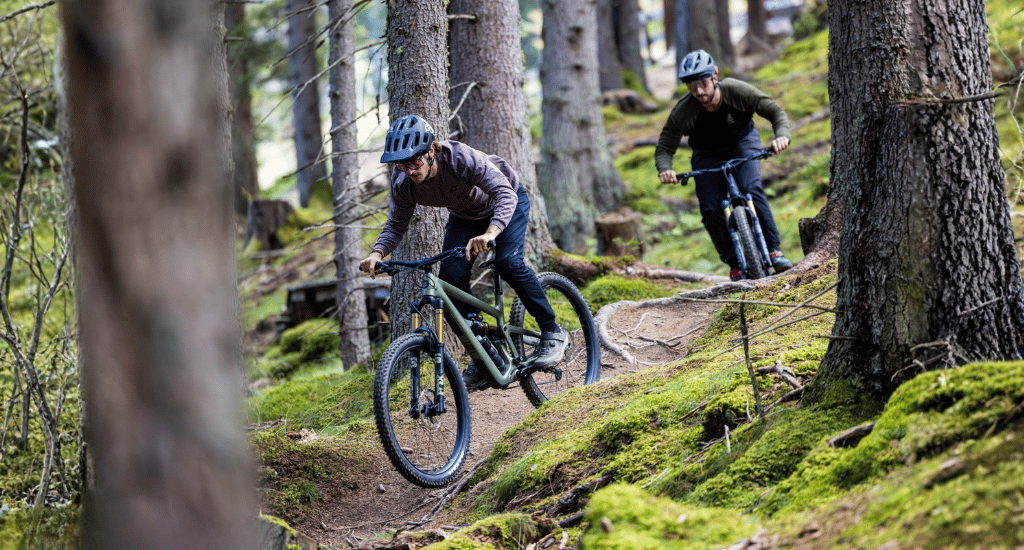
Rider choice should start with trail conditions. A 2.6 tire excels on loose, muddy, or rocky trails because extra rubber increases traction and stability. Narrower 2.4 tires work well on hard-packed, dry trails where speed and precision matter more than maximum grip.
Riding Style
Aggressive downhill or enduro riders benefit from 2.6 tires for added control on steep or technical descents. Cross-country or mixed climbing riders often prefer 2.4 tires because lighter weight and faster rolling help conserve energy and improve efficiency over longer rides.
Bike Type and Setup
Hardtail and trail bikes often favor 2.4 tires to maintain responsiveness and nimble handling. Full-suspension enduro or downhill bikes can accommodate 2.6 tires without clearance issues, giving a more planted ride for rough terrain and heavy braking.
Front and Rear Combination
Some riders mix tire widths for balance. A 2.6 front with a 2.4 rear improves grip on corners and technical sections while keeping rear rolling resistance low. Conversely, a 2.4 front and 2.6 rear can favor faster acceleration and a lighter feel.
Tire Pressure and Comfort
Wider tires like 2.6 allow lower air pressure, which smooths out rough trails and reduces fatigue. Narrower 2.4 tires require higher pressure to prevent pinch flats but give firmer, more precise trail feedback, making them ideal for fast or hard-packed trails.
Conclusion
Choosing between 2.4 vs 2.6 mountain bike tires comes down to understanding how each size affects grip, speed, comfort, and handling. The 2.6 offers more traction, cushioning, and confidence on rough or loose trails, while 2.4 feels lighter, faster, and more precise on hard-packed or smoother terrain.
There is no one-size-fits-all answer. Your trail type, riding style, and bike setup should guide the choice. For mixed trails or all-around riding, 2.4 is versatile. For aggressive enduro, downhill, or muddy conditions, 2.6 provides superior control and comfort.


