
Wheel size can change the whole feel of a trail in one ride. 27.5 vs 29 Mountain Bike stands as a big question because wheels guide speed, balance, and trust on dirt paths and rocky lines.
Smaller wheels feel quick and easy on tight turns, while larger wheels feel calm on rough ground and long paths. This gap shapes control, comfort, and rider confidence.
Both sizes have strong points, and no size fits every rider or trail. Read this guide to see clear facts, simple tips, and help for a smart choice.
27.5 vs 29 Mountain Bike (Complete Brand Comparison)
Wheel size makes a big difference in riding. This guide compares Specialized and Trek bikes to show how 27.5 and 29-inch wheels affect speed, control, comfort, and effort.
Wheel Size and Shape
27.5-inch wheels are smaller and feel lively. They turn fast and respond quickly to rider moves. 29-inch wheels are bigger and roll over bumps more smoothly.
The shape of the wheel also changes the way the bike sits and how easy it is to handle. Beginners may feel more confident with 27.5 in tight spaces and more stable with 29 on long paths.
Speed on Flat Trails
Smaller wheels start moving fast quickly. You can push off and reach speed with little effort. Larger wheels take a little time to get rolling, but keep speed longer without extra pedaling.
On flat trails, 29-inch wheels feel smoother and steadier, while 27.5-inch bikes feel quick and playful. Choosing depends on whether you want a fast start or easy riding over distance.
Control on Turns
27.5 bikes turn easily in sharp corners. Riders can lean and change direction quickly. 29-inch bikes need wider space and careful leaning, but feel solid and predictable. Beginners often feel safer on 27.5 when trails twist a lot.
Taller riders may prefer 29-inch bikes for smooth turns at higher speeds. Control comes from wheel size, bike geometry, and rider confidence.
Ride Feel on Rough Paths
Rough trails feel different on each size. 27.5-inch wheels bounce more on rocks and roots, which gives a lively, fun feeling. 29-inch wheels glide over bumps and keep the ride steady.
For long trails with many obstacles, 29ers help riders stay comfortable and reduce fatigue. Small wheels give more reaction to the rider’s moves, big wheels give more peace on rough paths.
Grip on Dirt and Rocks
Big wheels touch more ground, giving more grip on dirt, mud, and stones. Smaller wheels have less contact but can use wider tires for better traction.
On loose surfaces, 29ers feel safer and slide less. 27.5 wheels can spin quickly on loose dirt, but need careful speed. Grip affects climbing, braking, and confidence on tricky trails.
Rider Height Match
Shorter riders usually feel comfortable on 27.5-inch bikes. They reach the pedals and handlebars easily. Taller riders often suit 29-inch bikes because they fit the longer frame and bigger wheels.
Height affects balance and how natural the bike feels. Picking a wheel that fits your body can make riding safer and more fun.
Weight and Effort
27.5-inch wheels are lighter. Riders can lift and push the bike easily. 29-inch wheels weigh more, which can feel heavy at first, but they roll farther with less repeated pedaling.
For beginners, smaller wheels feel easy to move, while bigger wheels save energy on long rides. Effort changes with wheel size, terrain, and rider strength.
Pros, Cons, and Best Use Cases for Each Wheel Size
Mountain bike wheels are very different. Each size has strong points and weak points. Knowing them helps riders pick the right bike for their height, style, and trails.
Aero vs Comfort-Focused Road Bikes
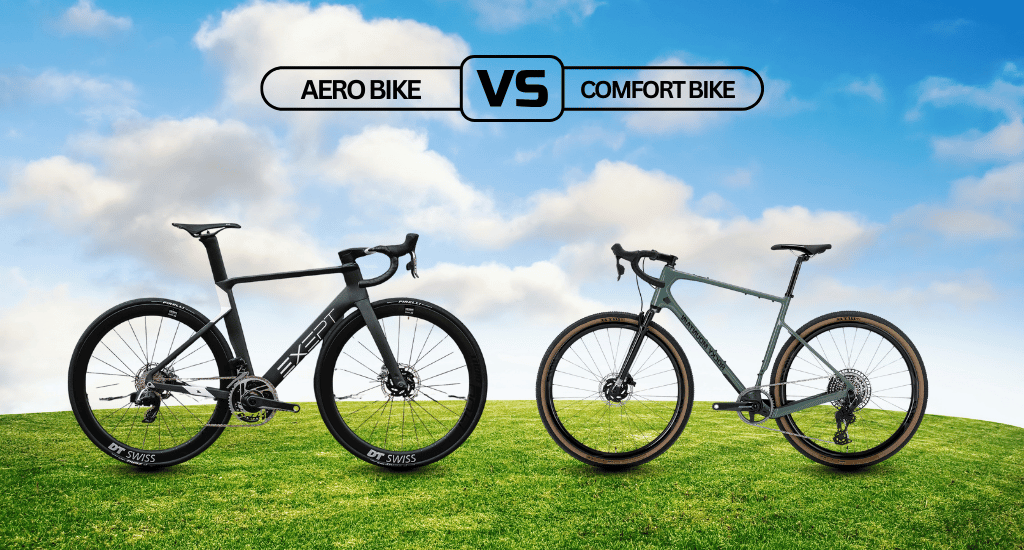
Some bikes focus on speed, others on comfort. The Specialized Tarmac and Trek Madone aim for fast riding. Specialized Roubaix and Trek Domane give smoother rides for long paths.
Specialized Tarmac / Roubaix
- Pros: Light, fast, stiff frame
- Cons: Can feel harsh on bumps
Trek Madone / Domane
- Pros: Smooth, stable, more comfortable
- Cons: Slightly heavier
Best Use Cases:
Speed-focused riders like Tarmac or Madone for races. Comfort riders prefer Roubaix or Domane for long rides with less fatigue.
Weight Comparison
Bike weight changes how easy it is to pedal, lift, and control. Specialized bikes are often lighter at the same price. Trek bikes weigh a bit more but feel smooth and absorb bumps better.
Specialized
- Pros: Easy to pedal uphill, quick acceleration
- Cons: Stiffer ride, less comfort on rough roads
Trek
- Pros: Smooth and stable, better for long rides
- Cons: Slightly heavier, slower to accelerate
Best Use Cases:
Riders who want speed and easy climbing like lighter Specialized bikes. Riders who want comfort on longer rides prefer Trek bikes.
Groupset & Component Differences
The groupset controls gears and brakes. Shimano 105, Ultegra, and Dura-Ace are common. Newer 12-speed systems shift more smoothly than older 11-speed setups.
Newer drivetrains
- Pros: Smooth shifting, lighter, efficient
- Cons: More expensive
Older drivetrains
- Pros: Reliable, cheaper
- Cons: Slightly heavier, less precise
Best Use Cases:
Beginners can use older systems safely. Enthusiasts who want speed and performance benefit from newer drivetrains.
Which Is Better for Beginners vs Enthusiasts?
Beginners need bikes that are easy to handle, comfortable, and not too heavy. Enthusiasts may choose bikes that are lighter, faster, and more precise, even if the ride feels stiff.
Beginners
- Pros: Comfortable, forgiving, stable
- Cons: Slightly slower, heavier
Enthusiasts
- Pros: Fast, precise, efficient
- Cons: Can be harsh, needs skill
Best Use Cases:
Beginners enjoy longer rides with confidence. Enthusiasts use their bikes for races, fast training, and challenging routes.
How to Choose Between 27.5 vs 29 Mountain Bikes?
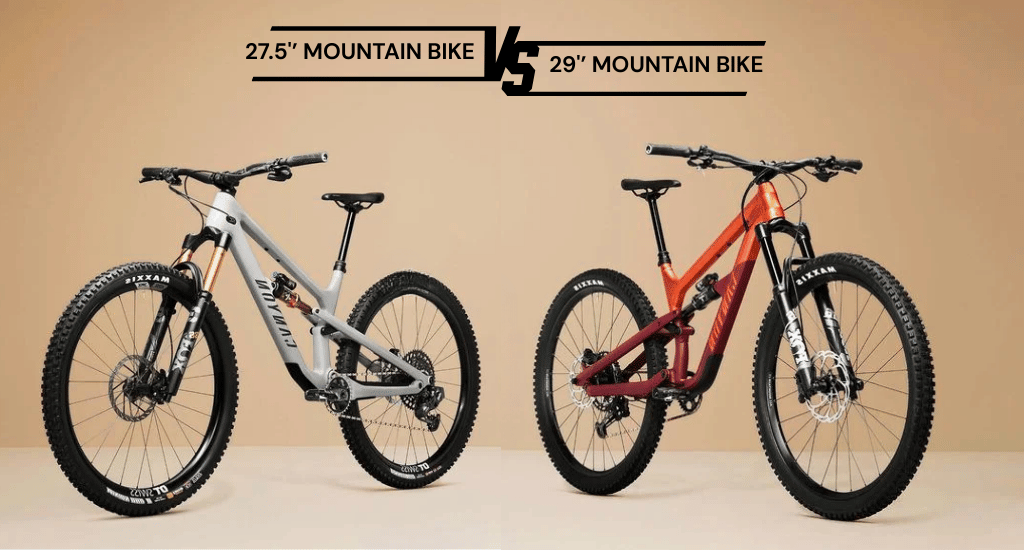
The wheel size changes how a mountain bike feels and performs. Smaller wheels make the bike feel lively and quick. Bigger wheels make it roll over rough ground easily and stay steady. This guide will help you match your style, trail type, height, and comfort to the right wheel size.
Riding Style
27.5-inch wheels feel quick and lively. They work well on trails with jumps, tight turns, or obstacles where you want fast reactions. 29-inch wheels are smooth and keep momentum, making them better for long rides or trails where speed and steady riding matter more than quick moves.
Terrain Type
27.5 wheels handle twisty, technical, and jump-heavy trails well. They let you turn sharply and respond to small bumps. 29-inch wheels perform best on rough, fast, and flowing trails. They roll over roots, rocks, and bumps more easily, helping riders feel stable and in control on long paths.
Rider Height and Bike Fit
Shorter riders usually feel more balanced and confident on 27.5-inch bikes. Taller riders often feel safer and more stable on 29-inch bikes. But frame shape and size also matter. A well-fitting bike will feel natural, let you reach pedals and handlebars comfortably, and make controlling the bike easier.
Fit, Feel, and Personal Preference
Testing a bike is more important than reading specs. How it feels when you sit, pedal, and turn matters most. Comfort and confidence decide the best wheel size for each rider. Trying both sizes helps you see which one feels right before buying.
Conclusion
Choosing between a 27.5 vs 29 Mountain Bike depends on your riding style, trails, and body fit. Smaller 27.5 wheels give quick handling, fun turns, and playful rides. Bigger 29 wheels roll smoothly, maintain speed, and feel steady on long or rough trails.
Mullet setups combine the best of both, with a stable front and agile rear. The right bike is the one that feels natural, builds confidence, and makes riding enjoyable. Focus on comfort and fun rather than following trends.


