

A rocky trail can feel fun or feel painful, and the front fork often decides that. How to adjust front suspension on a mountain bike is not a hard skill, but many riders ignore it and then blame the bike. A fork that feels too stiff can hurt your hands. A fork that feels too soft can dive and feel unsafe.
Proper front suspension helps with comfort, control, and trail performance. A good setup keeps the front tire on the ground. That means better grip and less stress on your arms. Harsh ride, bottoming out, or weak traction show that the fork needs adjustment.
This guide is for beginners and intermediate riders. Read this blog to learn simple steps for better rides.
Gear Needed to Adjust Front Suspension on a Mountain Bike
You do not need expensive tools to fix your fork. A few simple items help set the right pressure, check sag, and follow correct limits for your specific fork model.
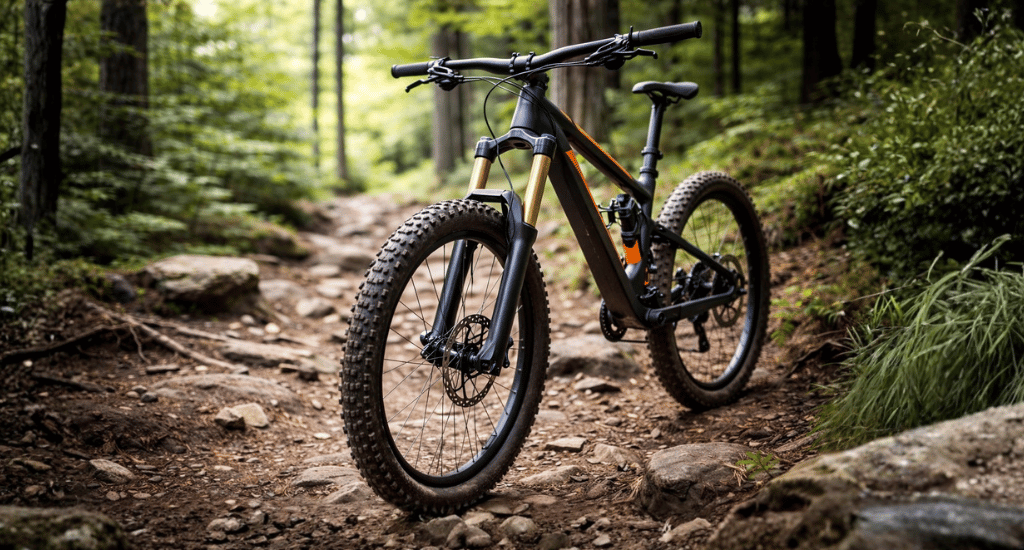
- Suspension pump with pressure gauge: Adds or releases air pressure to make the fork stiff or soft.
- Measuring tape or sag indicator: Checks how much the fork sinks under your body weight.
- Zip tie or O-ring: Shows the exact travel used after you sit on the bike.
- Owner’s manual or fork specs: Gives correct pressure range and setup rules for your fork.
How to Adjust Front Suspension on a Mountain Bike (Step-by-Step)
Front suspension setup does not need expert skill or special knowledge. With simple steps and basic tools, you can set your fork for comfort, control, and better trail feel. Follow each step in order and change only one thing at a time.
Step 1: Identify Your Fork Type
Mountain bikes use two main fork types: air and coil. Air forks use air pressure inside the fork. Coil forks use a metal spring. Each type needs a different method for setup, so this step matters first.
Fork type affects how you adjust stiffness. Air forks need a suspension pump. Coil forks use a preload knob. If you mix these methods, the fork will never feel right.
Step 2: Set the Correct Sag
Sag means how much the fork sinks when you sit on the bike. This shows if the fork suits your body weight. Too much sag feels soft and unstable. Too little sag feels hard and bouncy.
For most riders, sag should stay near 20 to 25 percent for trail riding. Cross-country works better near 20 percent. Enduro often suits 25 to 30 percent. Sag should not pass 30 percent on the fork.
Step 3: Adjust Air Pressure or Preload
Air forks use air pressure to control stiffness. Use a suspension pump to add or release air. More air makes the fork firm. Less air makes it soft. Always follow the pressure range from the fork maker.
Coil forks use a preload knob. Turn the dial clockwise to tighten the spring. Turn counterclockwise to loosen it. Preload does not change spring strength, but it changes how soon the fork reacts.
Step 4: Dial in Rebound Settings
Rebound controls how fast the fork returns after a bump. Fast rebound feels like a pogo stick. Slow rebound feels dull and heavy. Both can lose control on rough trails.
Turn the rebound dial one click at a time. If the fork jumps back too fast, slow it down. If it feels stuck after bumps, you should speed it up until the motion feels smooth.
Step 5: Fine-Tune Compression (If Available)
Compression controls how easily the fork moves when it hits bumps. Low-speed compression affects brake dive and body weight shifts. High-speed compression affects sharp rocks and roots.
Soft compression suits rough trails and comfort. Firm compression suits smooth trails and hard riding. Use small changes and test after each turn of the dial.
Step 6: Test Ride and Make Micro Adjustments
Ride a short trail with small bumps and turns. Pay attention to hand comfort, front tire grip, and fork motion. Stop and change one setting at a time.
When the bike feels stable, smooth, and easy to control, your setup works. No pain in hands and no harsh hits mean the fork suits your riding style.
How Rider Weight and Riding Style Affect Suspension
Front suspension does not suit everyone in the same way. Your body weight and riding style decide how stiff or soft the fork should feel. A setup that works for one rider may feel terrible for another.
How Rider Weight Changes Suspension Setup
Rider weight plays a big role in front suspension feel. Heavier riders need more air pressure or a higher preload so the fork does not sink too much. Lighter riders need less pressure, so the fork can react to small bumps.
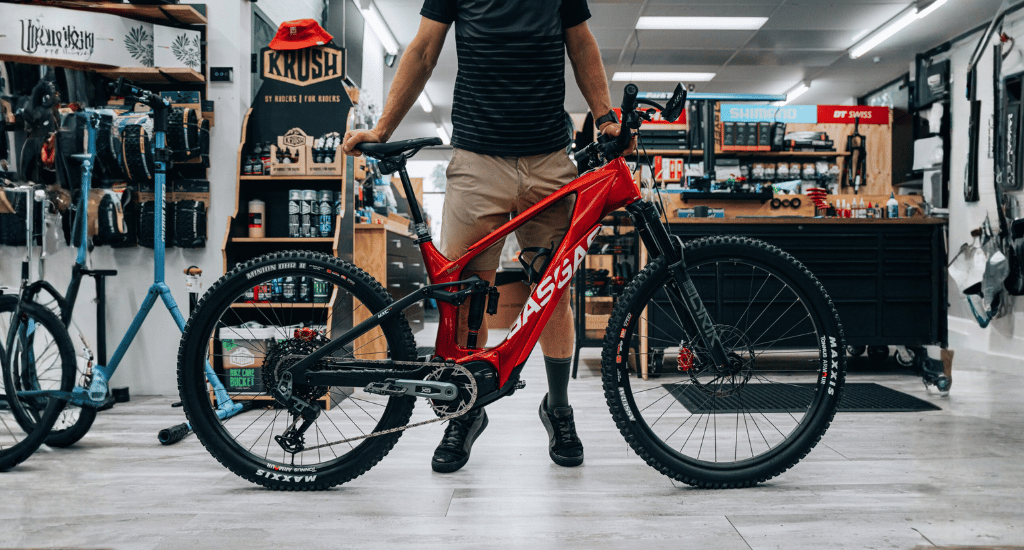
If weight and pressure do not match, the sag will stay wrong, and the bike will feel unstable. A correct weight setup keeps the front tire in contact with the ground and improves control on trails.
- Heavy riders need higher air pressure for proper fork support.
- Light riders need lower pressure for better small bump response.
- Wrong pressure leads to poor sag and weak trail control.
How Riding Style Affects Suspension Feel
Riding style also changes how suspension should feel. Smooth riders on flat trails prefer a firm fork for speed and control.
Aggressive riders on rocky trails need a softer fork for comfort and grip. Jump-focused riders need more rebound control so the fork does not bounce. Trail type, speed, and personal comfort all shape the best setup for each rider.
- Fast trail riders prefer firmer suspension for better front control.
- Rough trail riders need a softer setup for comfort and safety.
- Jump riders need a slower rebound to avoid front wheel bounce.
How Often You Should Adjust or Check the Front Suspension
Front suspension is not “set and forget.” Regular checks keep your fork working properly and your ride comfortable. Small adjustments improve control, prevent damage, and match changing trails or riding conditions.
Seasonal Changes
Temperature and weather can affect suspension performance. Cold air can make air forks feel stiffer, while hot weather can soften them. Adjust sag, air pressure, and rebound with seasonal shifts. Regular seasonal checks keep performance consistent.
- Cold weather can stiffen air forks and reduce travel response.
- Hot weather can soften the fork and cause extra sag.
- Adjust sag and pressure at the start of each season.
After Servicing
After maintenance or repair, suspension settings may change. Fork oil, seals, or air pressure adjustments can affect rebound, compression, and preload. Always check all settings after servicing to maintain proper performance and safety.
- Check air pressure or preload after fork servicing.
- Rebound and compression may need re-adjusting after repairs.
- Confirm sag is within recommended limits before riding again.
Changing Riding Terrain
Switching between smooth trails, rocky paths, or technical terrain requires suspension changes. Adjust sag, rebound, and compression to match trail type. Correct adjustments improve control, grip, and comfort on different surfaces.
- Firm settings suit smooth trails for speed and efficiency.
- Softer settings help grip and absorb bumps on rough terrain.
- Rebound adjustments prevent the pogo effect or sluggish fork motion.
Conclusion
Proper front suspension on a mountain bike makes every ride smoother and safer. Sag should stay around 25-30 percent, and rebound must prevent the fork from bouncing too fast or feeling sluggish. Air forks need a pump; coil forks use preload. Too soft suspension bottoms out, too stiff feels harsh.
Front suspension on a mountain bike is usually slightly firmer than the rear. Test rebound by watching how the fork returns after bumps. Smooth, controlled motion means correct settings. Regular checks and small adjustments keep your fork performing well, improving comfort and control on every trail.


