
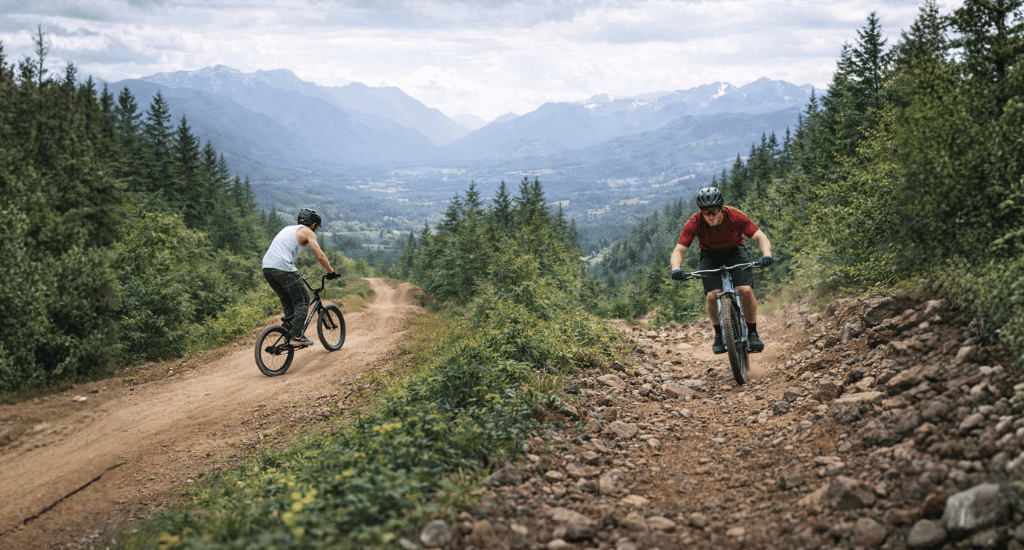
Some bikes are built for tricks, some for trails, and BMX and mountain bikes show that clearly. A BMX is small, light, and strong for jumps and stunts. Mountain bikes are bigger, have gears, and handle rough paths better.
Many riders wonder if they can convert a BMX to a mountain bike to try simple trails without buying a new bike. While some upgrades work, like stronger handlebars or wider tires, the frame and gears limit what a BMX can do off-road. Not everything is possible, so expectations matter.
In this blog, we will show what changes work, what won’t, and how to safely use a BMX for trails. Keep reading to learn the full guide.
Key Takeaways
Converting a BMX to a mountain bike works for light trails if done safely. Keep these points in mind:
- Check frame limits before upgrades.
- Use 20-24-inch knobby tires for grip.
- Upgrade brakes; add gears if the frame allows.
- Add suspension only if compatible.
- Adjust handlebars and saddle for comfort.
- Test ride first on easy terrain.
How to Convert a BMX to a Mountain Bike
You can convert a BMX to a mountain bike for light trails with the right parts and setup. Not every BMX can handle off-road paths, but small changes make it safer and more comfortable for beginner trails.
Step 1: Check Frame Compatibility and Limitations
Before changing anything, inspect the frame. BMX frames are small and built for tricks, not long rides or rough trails. Check wheel clearance, geometry, and overall strength. Some frames may bend or break under extra stress. Knowing the hard limits prevents damage and keeps riding safe.
Step 2: Upgrade to Larger, Knobby Tires
BMX tires are usually smooth and narrow. Switching to slightly larger, knobby tires improves grip on dirt and light trails. Tires around 20-24 inches fit most BMX frames. Choose treads that bite into loose surfaces without rubbing the frame.
Step 3: Replace the Gearing System
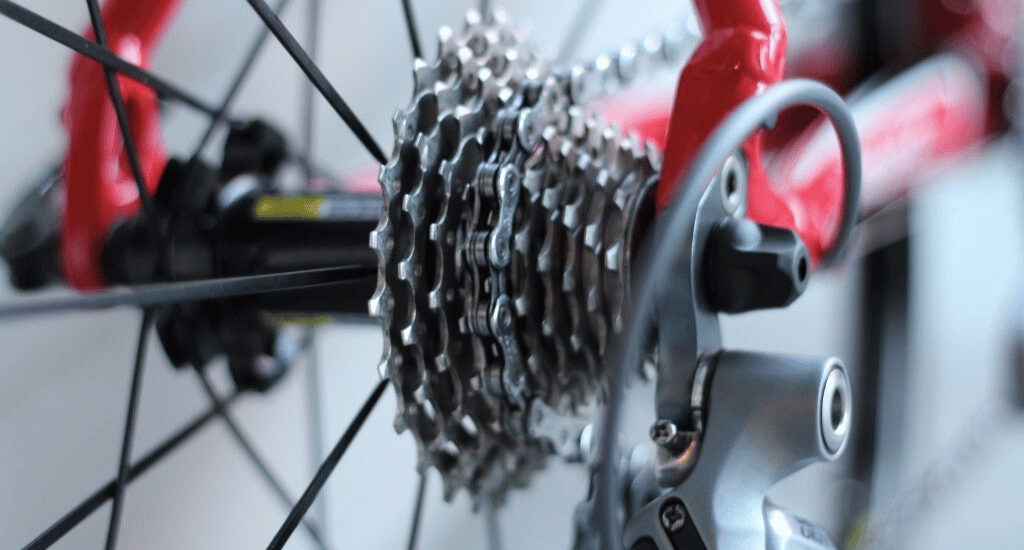
Most BMX bikes are single-speed. Adding gears helps climb small hills, but frame size may limit options. Some BMX frames allow a small multi-speed freewheel or cassette. Only upgrade if your frame supports it safely.
Step 4: Install Front Suspension (If Frame Allows)
Rigid forks are light but harsh on trails. If your BMX frame can fit a suspension fork, it can absorb bumps. Check compatibility carefully. Unsafe installation may damage the frame or affect control. Only attempt if parts match exactly.
Step 5: Upgrade Braking System
BMX bikes often have rim brakes. For trail riding, disc brakes improve stopping power. Some frames cannot hold disc mounts. If possible, move to a disc system or stronger BMX-style brakes for better downhill control.
Step 6: Adjust Handlebars, Stem, and Saddle
Raising handlebars and adjusting the stem gives more comfort and control. A higher saddle and proper handlebar position help posture for rough paths. Make small adjustments, then test for comfort before longer rides.
Step 7: Fine-Tune and Test Ride
After upgrades, ride on easy terrain first. Check brakes, steering, and tire fit. Trails with dirt, small rocks, or light slopes work best. Avoid jumps or heavy off-road tracks until confident the bike can handle the load.
Cost Breakdown of Converting a BMX
Converting a BMX to a mountain bike can be simple or more advanced, depending on the parts. Expect to spend anywhere from $150 to $500 for a basic setup. Price depends on tire upgrades, brakes, and handlebars.
- Tires and tubes: A set of knobby tires costs around $40-$80. Make sure they fit your BMX frame. Extra tubes may add another $10-$15.
- Handlebars and stem: Upgrading for comfort and control can cost $30-$70, depending on brand and style.
- Brakes: Rim brakes can be replaced for $20-$50, while disc brakes may cost $80-$150 with rotors.
- Suspension fork: If your frame allows, a small front suspension fork may cost $100-$200.
Other costs include gears, saddle, or grips. Always check compatibility to avoid wasting money. A careful upgrade can make your BMX trail-ready without overspending.
What a BMX Can and Can’t Do After Conversion
After conversion, a BMX handles small trails and light dirt paths, but it still has limits. Knowing what works and what doesn’t keeps riding safe and fun.
What a Converted BMX Can Do
A BMX upgraded for trails can:
- Handle dirt paths and small rocks
- Climb gentle hills with added gears
- Give more comfort with bigger tires and adjusted handlebars
- Absorb minor bumps if suspension is added
What a Converted BMX Can’t Do
Even after upgrades, a BMX cannot:
- Handle big jumps or drops safely
- Ride on very rough or rocky mountain trails
- Carry heavy loads over long distances
- Replace a true mountain bike for extreme off-road adventures
When to Convert BMX to a Mountain Bike
Converting a BMX to a mountain bike is not for every rider or every BMX. It works best when the bike and rider goals match. Some upgrades make light trails easier and safer, but a BMX will never fully replace a real mountain bike. Understanding when to convert saves money and effort while keeping your rides fun and safe.
For Light Trail Riding
If you mostly ride on dirt paths, small hills, or smooth forest trails, conversion is ideal. Wider knobby tires improve grip, brakes can be stronger, and minor gearing adjustments help with gentle slopes. Avoid rocky or steep trails, as BMX frames are not built for heavy impacts.
When You Want a Beginner-Friendly Upgrade
A BMX is great for tricks and short rides, but it lacks climbing power. Adding simple upgrades lets beginners practice off-road skills like cornering and small climbs without investing in a full mountain bike. This also keeps the BMX fun for parks and streets.
For Short Commutes on Mixed Terrain
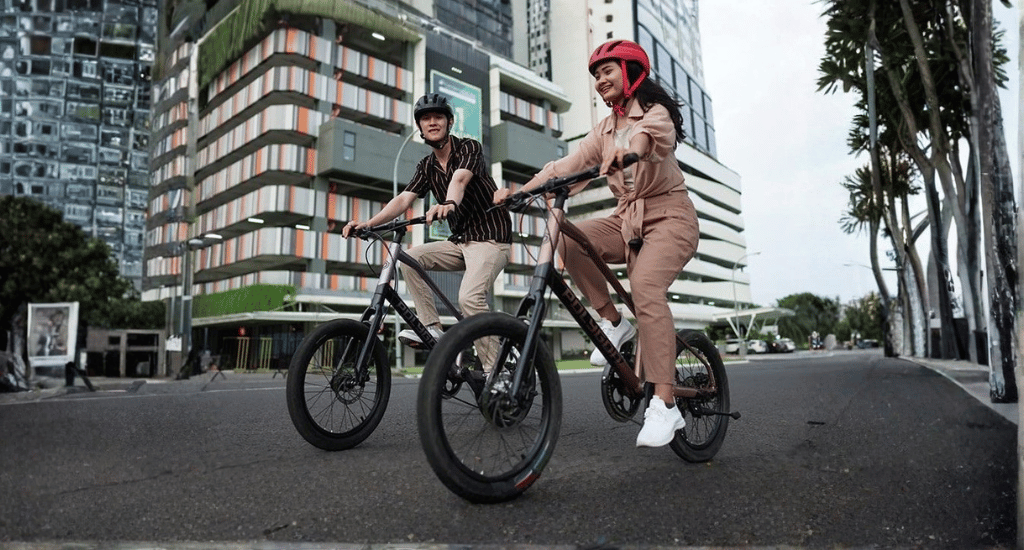
If your rides include pavement and small dirt patches, conversion works well. Adjust handlebars for comfort, add wider tires for grip, and check brakes for safety. Your BMX can now handle parks, small hills, or uneven paths while still being easy to ride on streets.
If Your BMX Frame Allows Modifications
Not all BMX frames accept upgrades like bigger tires, suspension forks, or disc brakes. Check frame strength, wheel clearance, and mounting points. Unsafe modifications can bend the frame or reduce control, so only attempt upgrades that your bike can support.
Conclusion
Converting a BMX to a mountain bike involves checking frame limits, upgrading tires, brakes, and handlebars, and adding gears or suspension where possible. These changes make light trails and small hills safer and more enjoyable.
Keep expectations realistic. A converted BMX handles gentle dirt paths, not extreme mountain trails. Always prioritize safety and compatibility. If you want serious off-road riding, investing in a proper mountain bike is wiser. For beginners or short trails, conversion can be a fun and affordable choice.


