
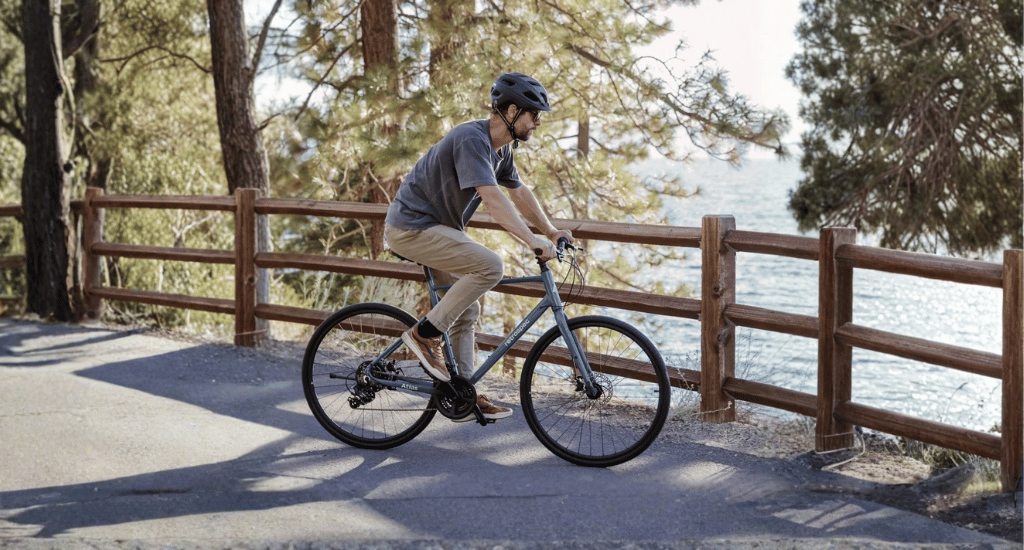
Some riders wonder if their mountain bike can work for city rides. Converting a mountain bike to a commuter makes it possible. MTBs are strong and durable, but heavy tires and trail-focused gears make street rides slow and tiring.
Daily commuting feels easier with lighter tires, relaxed posture, and simple tweaks. Instead of buying a new bike, small changes can turn your old MTB into a smooth, practical city ride.
This setup is perfect for city riders, office commuters, and short to medium trips. Keep reading to see how simple swaps make your mountain bike commuter-ready.
How to Convert a Mountain Bike to a Commuter Bike
Converting a mountain bike to a commuter makes city rides easier, faster, and more comfortable. Small changes can transform your old MTB for daily travel. From tires to accessories, each adjustment improves speed, posture, and safety on streets and pavements.
Step 1: Swap Tires
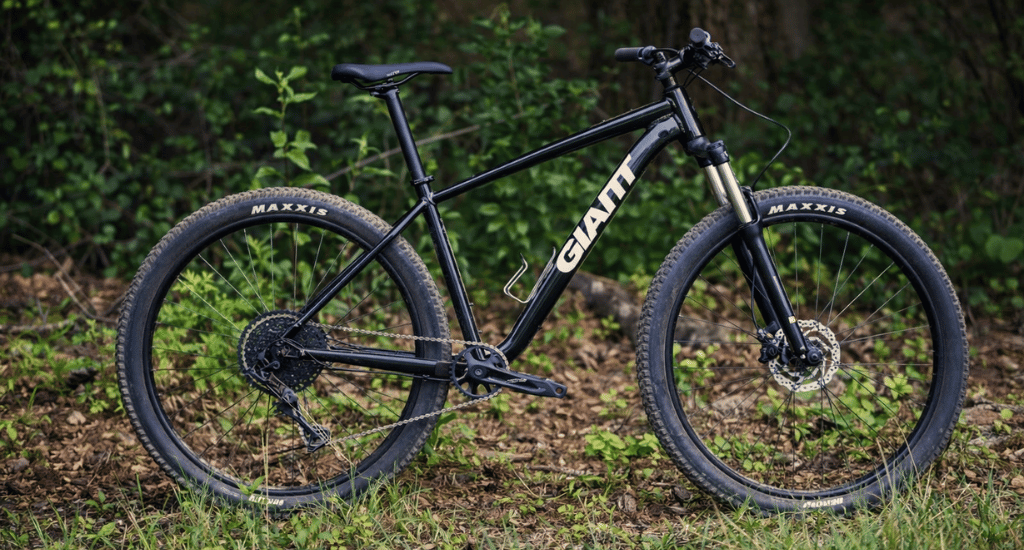
Knobby MTB tires grip dirt trails but slow you down on roads. Commuter or hybrid tires are smoother, narrower, and lighter. Ideal width is 28-38mm with minimal tread. This change increases speed, reduces effort, and gives a better grip on pavement.
Step 2: Adjust Handlebars
MTB handlebars keep you low for trails. For city rides, riser or swept-back bars lift your posture, reducing back strain. Even small adjustments improve comfort. You can replace bars entirely or tweak the stem angle before buying new ones.
Step 3: Change Saddle
MTB saddles focus on rough terrain. A commuter saddle has more padding and a shape that supports long rides. Width, cushion, and pressure relief matter. Set the height so your leg extends comfortably without locking the knee.
Step 4: Optimize Gearing
MTB gearing has many low gears for hills. City roads need fewer, higher gears for smooth pedalling. You can adjust chainrings, replace the cassette, or just fine-tune your current setup. Simpler gearing makes rides faster and easier.
Step 5: Add Accessories
Rear racks and panniers carry bags, groceries, or work gear. Fenders prevent mud or water spray. Add a bottle cage, phone mount, or bell for practical, safe riding. These upgrades make commuting convenient in all weather.
Step 6: Upgrade Brakes
Disc or rim brakes on MTBs work fine, but city riding needs smooth, responsive stopping. Swap brake pads for higher-quality ones or consider a simple brake tune-up. Reliable brakes improve safety in stop-and-go traffic.
Step 7: Install Lights
Lights are essential for early mornings or evenings. A bright front light and red rear light increase visibility. Add reflective tape, tires, or clothing for extra safety. Check local rules for required lights and reflectors.
Cost Breakdown – Is Converting a Mountain Bike Worth It?
Converting a mountain bike to a commuter can save money and give you a city-ready ride. Costs vary depending on parts, upgrades, and how comfortable you want the final bike. Here’s a clear look at what to expect.
Budget Conversion vs Premium Setup
A basic conversion can cost between $80 and $150. This usually includes smoother tires, a saddle, and basic accessories like a rack or fenders.
A premium setup, with high-quality tires, an ergonomic saddle, disc brake upgrades, lights, and phone mounts, can range from $300 to $600. Choosing the right level depends on how often you ride and the conditions you face.
Parts You Can Reuse vs Must Replace
Many MTB parts can stay: frame, wheels (if compatible), brakes, and drivetrain in good shape. Parts you must replace for commuting include tires, brake pads, saddle, and possibly handlebars or cassette. Reusing parts helps keep costs lower while still improving comfort and performance.
Average Cost Compared to Buying a Commuter Bike
A new commuter bike usually costs $400-$700 for a reliable setup. A conversion often ends up cheaper, especially if you already own a mountain bike. Even a premium conversion rarely exceeds the price of a mid-range commuter bike.
Long-Term Value for Daily Riders
Investing $150-$600 in upgrades pays off for comfort, safety, and durability. Daily riders save money on maintenance and get a bike that fits their commuting style. Converting an MTB can be more practical than buying new, especially for short to medium trips.
Common Mistakes to Avoid When Converting a Mountain Bike
Converting a mountain bike to a commuter can be simple, but small mistakes make rides uncomfortable or unsafe. Avoiding these common errors ensures your bike is fast, practical, and ready for daily city use.
Keeping Overly Wide or Aggressive Tires
Using MTB tires with large knobs or extreme width slows you down and wastes effort on pavement. Choose semi-slick or hybrid tires that balance grip and speed. The right tyres make commuting smoother and more energy-efficient.
Ignoring Bike Fit and Saddle Height
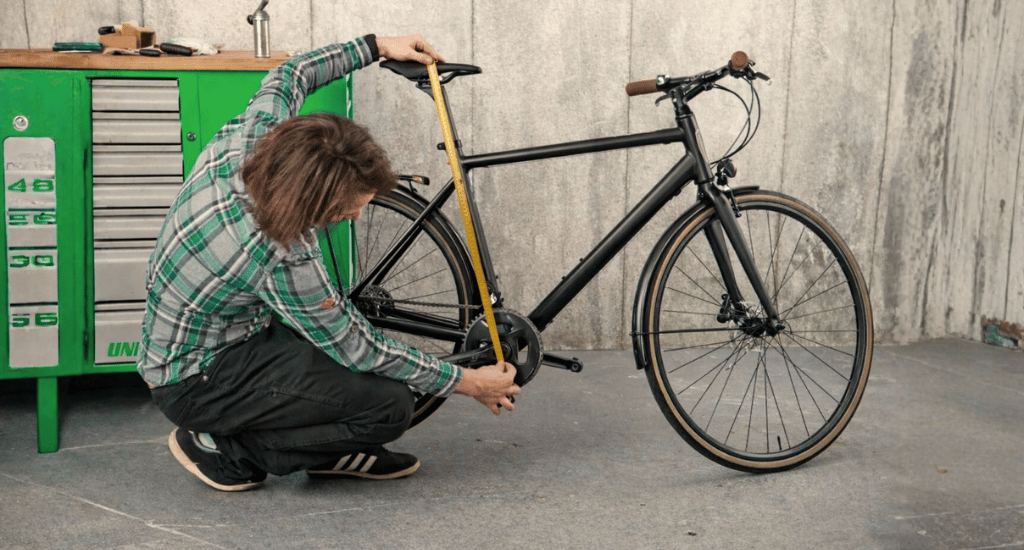
Comfort comes from a proper fit. Riding with a too-high, too-low, or forward saddle strains the knees and back. Adjust handlebars and saddle height for a relaxed posture. Small tweaks prevent long-term discomfort during daily rides.
Over-Accessorizing and Adding Unnecessary Weight
Extra racks, bags, or heavy lights add weight that slows acceleration. Prioritize essential accessories like a rear rack, fenders, lights, and a bell. Keep extras minimal to maintain efficiency and avoid fatigue on longer trips.
Skipping Safety Upgrades
Old brakes or missing lights increase the risk in traffic. Upgrade pads, check braking performance, and install front and rear lights. Reflective gear ensures visibility. Safety upgrades are small investments that protect you every ride.
Who Should (and Shouldn’t) Convert a Mountain Bike for Commuting?
Not every rider benefits from turning a mountain bike into a commuter. Understanding who will gain the most comfort, efficiency, and convenience, and who might struggle, helps avoid wasted time and money.
Ideal Riders for MTB Conversion
Mountain bike conversion works best for:
- City commuters: Short to medium trips on paved roads.
- Office riders: Need to carry bags or work gear.
- Casual weekend riders: Enjoy a relaxed, versatile bike.
- Budget-conscious riders: Already own an MTB and want savings.
These riders gain comfort, durability, and versatility. Small upgrades like tires, saddle, handlebars, and accessories make city travel easier without buying a new bike.
Riders Who May Struggle
Converting an MTB isn’t ideal for:
- Long-distance commuters: Extra weight slows extended rides.
- Speed-focused riders: Heavier MTB frames and tires limit acceleration.
- Those wanting lightweight racing bikes: MTB frames are bulkier than road bikes.
For these riders, a purpose-built commuter or road bike might save effort and provide better performance. Considering your ride style and daily distance ensures the conversion fits your needs.
Conclusion
Converting a mountain bike to a commuter is a smart way to save money while making city rides more comfortable and efficient. Small changes like tires, saddle, and handlebars can transform an old MTB into a smooth, practical daily ride.
Start with essential upgrades first, then add accessories gradually. Test your bike on real rides and make small adjustments over time to improve comfort and performance. With patience and simple tweaks, your mountain bike can become a reliable, cost-effective commuter for years to come.


