
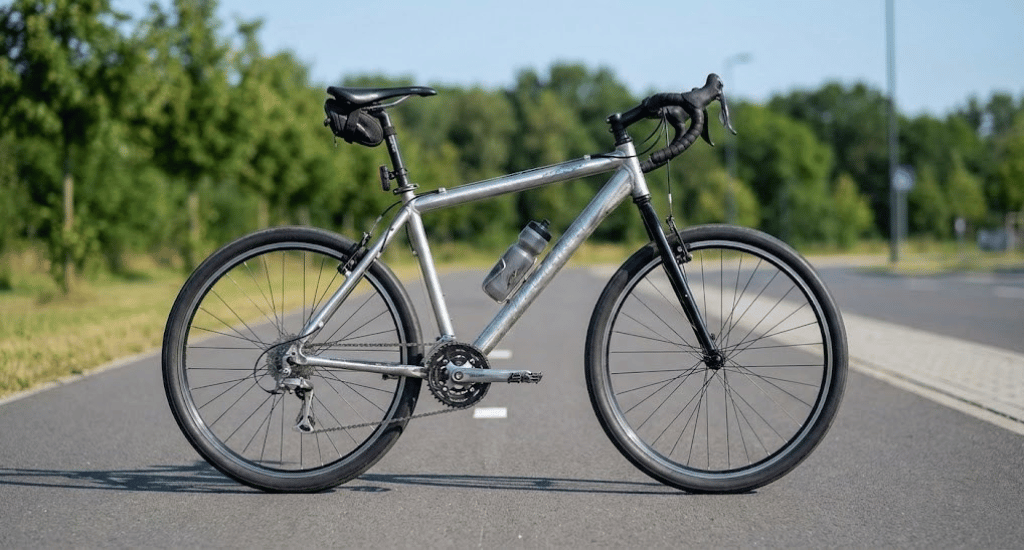
Converting a mountain bike to a road bike can give you a smooth, fast ride without spending a lot on a new bike. By replacing heavy tires, swapping the suspension for a rigid fork, and changing flat bars to road-style handlebars, your mountain bike can glide over pavement like a proper road bike.
This conversion is ideal for commuters facing city streets, fitness riders looking for longer rides, or anyone who enjoys casual road cycling. You save money, keep a bike you already love, and make it easier to ride on asphalt.
Read this blog to learn how to convert a mountain bike to a road bike step by step and make your ride faster and more comfortable.
Key Takeaway: Convert Mountain Bike to Road Bike
- Save money by upgrading your existing bike instead of buying a new one.
- Swap tires, handlebars, and gears for smoother, faster road rides.
- Ideal for commuting, fitness rides, and casual road cycling.
- Adjust the saddle, pedals, and suspension for better comfort and efficiency.
- Keep realistic expectations; converted bikes won’t match high-performance road bikes.
How to Convert a Mountain Bike to a Road Bike
Converting a mountain bike to a road bike is easier than it sounds. By changing tires, handlebars, gearing, and a few key parts, your MTB can ride smoothly on pavement while saving money compared to buying a new road bike.
Step 1: Swap to Road or Slick Tires
Road or slick tires reduce rolling resistance and make pedaling on asphalt easier. For most conversions, choose tires between 28mm and 40mm wide. Keep tire pressure around 70-90 psi for smooth, fast riding without sacrificing comfort. This change alone can make your mountain bike feel much faster.
Step 2: Change the Handlebars
Flat bars are common on mountain bikes, but they limit your riding positions. Drop bars let you lean forward and pedal efficiently, while alternative bars offer multiple hand positions for comfort. Pick a handlebar that fits your riding style and helps you maintain a natural, relaxed posture.
Step 3: Adjust the Gearing
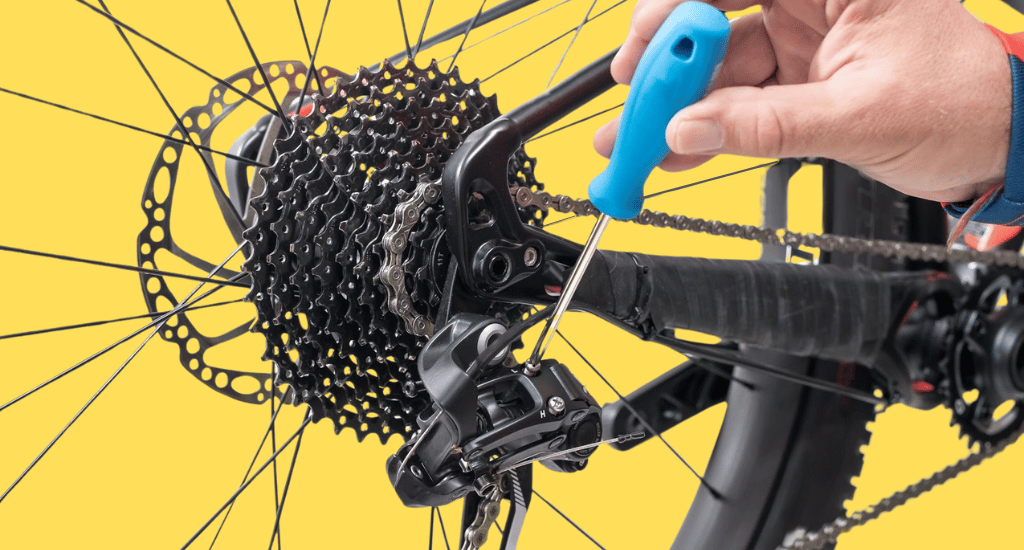
Mountain bike gears are made for climbing trails. Switching the cassette or chainrings to a road-friendly setup improves cadence and keeps pedaling smooth at higher speeds. This lets you cover longer distances without feeling tired too quickly.
Step 4: Lock Out or Replace Suspension
Suspension absorbs bumps on trails but wastes energy on roads. Use a fork lockout if your suspension allows it, or replace the fork with a rigid one. This makes pedaling more efficient and keeps your ride stable on smooth surfaces.
Step 5: Lower and Reposition the Saddle
Saddle height affects comfort and pedaling efficiency. Lower or adjust it slightly forward for road riding to optimize leg extension. A proper position reduces fatigue and helps maintain a strong, steady pedaling rhythm.
Step 6: Upgrade to Road Pedals
Flat pedals are fine, but clipless pedals connect you to the bike and transfer power more efficiently. They help your feet push and pull during each pedal stroke. Choose what feels comfortable, but any upgrade improves speed and control.
Step 7: Fine-Tune Brakes and Bike Fit
Road tires need careful brake adjustment to prevent rubbing. Check caliper alignment and pad position. Adjust stem length and handlebar reach to improve comfort. Small fit tweaks make a big difference in control, safety, and riding enjoyment.
Parts You May Need for the Conversion
Converting a mountain bike to a road bike requires a few key parts. These changes make riding on pavement faster, smoother, and more comfortable for beginners or casual riders.
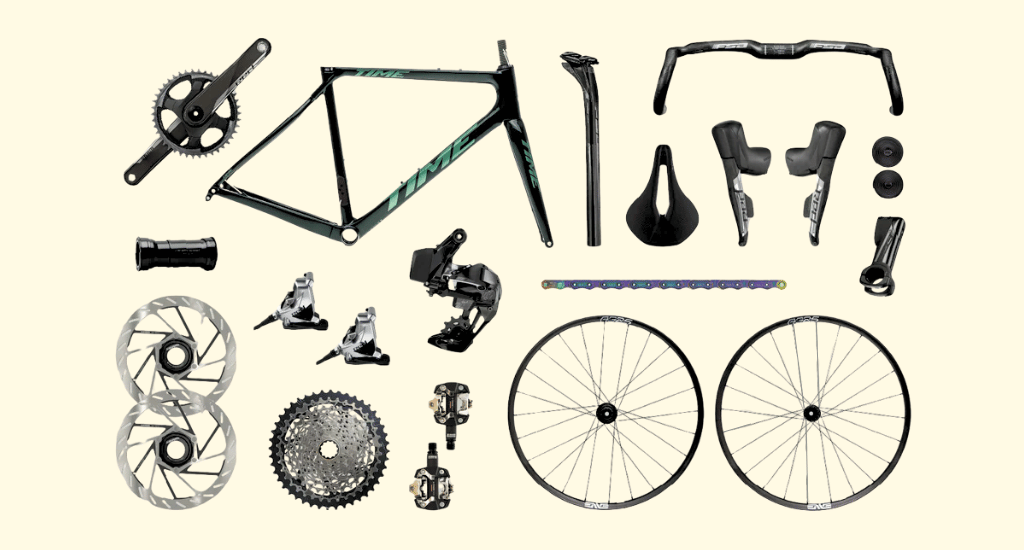
- Road or hybrid tires: Narrower tires reduce friction and let your bike roll easily on roads.
- Handlebars and stem: Drop bars or alternative bars improve hand positions and riding comfort.
- Cassette or chainring: Road gears help maintain a steady cadence for faster pedaling.
- Rigid fork (optional): Replacing suspension with a rigid fork increases pedaling efficiency.
- Pedals and saddle upgrades: Clipless or better flat pedals improve power transfer and comfort.
- Brake pads and calipers: Adjust or replace to fit thinner tires and ensure safe stopping.
- Grips or bar tape: Provide a secure, comfortable hold for longer rides.
- Wheelset: Road wheels with matching hubs can improve speed and stability.
- Seatpost: Adjustable seatposts help position the saddle correctly for efficiency.
- Tire pumps and pressure gauge: Maintain proper tire pressure for smooth, safe riding.
- Chain and chainring bolts: Upgrading worn parts prevents slipping and keeps gears smooth.
- Spacers and headset components: Adjust stem and handlebar height for correct fit.
These parts cover most MTB to road bike conversions. You don’t need to replace everything at once; focus on the items that improve comfort, speed, and safety first.
Cost vs Buying a Road Bike
Converting a mountain bike to a road bike usually costs less than buying a new one. With some parts and adjustments, you can ride comfortably on roads while saving money.
Typical Conversion Cost Range
Most MTB to road bike conversions cost between $150 and $500, depending on parts.
- Tires and tubes: $50-$100
- Handlebars and stem: $40-$120
- Gearing and drivetrain: $80-$200
- Pedals, saddle, and small upgrades: $30-$80
This range gives a faster, smoother bike without the high price of a full road bike.
When Conversion Makes Sense
Converting is smart if:
- You already own a mountain bike
- You ride mostly on roads
- You want a cost-effective upgrade
- You enjoy customizing your bike for comfort and speed
Situations Where a Road Bike Is a Better Choice
Buying a new road bike is better when:
- Your mountain bike frame is too heavy or too small
- You want very high-performance components
- You plan long-distance road racing
- Your MTB requires many expensive replacements
Balancing Cost and Benefit
Weigh how much you’ll use the bike, the cost of parts, and your riding goals. Converting can save money and create a comfortable road-ready bike, but a new road bike may suit serious riders better.
Pros and Cons of Converting a Mountain Bike
Converting a mountain bike to a road bike has clear benefits and a few limits. It can save money and improve road performance, but it may not match a true road bike.
Pros
- Lower cost: Use your existing bike, so total spending stays much lower than buying a new one.
- Better road speed: Slick tires and road gears make pedaling easier on smooth surfaces.
- Comfortable ride: Upright frame and wider tires reduce strain during long city rides.
- Flexible use: You can still ride light trails after simple part changes.
- Easy upgrades: Parts can be changed step by step without technical knowledge.
Cons
- Heavier frame: Mountain bike frames weigh more and reduce top speed on long rides.
- Limited geometry: The frame shape does not suit aggressive road posture.
- Extra costs: Many small parts add up over time.
- Not race-ready: Converted bikes cannot match real road bikes in competitions.
- Compatibility issues: Some road parts may not fit older mountain bike frames.
Wrapping Up
Convert mountain bike to a road bike can improve road speed, riding comfort, and overall efficiency without a high budget. Simple upgrades like tires, gearing, and handlebars make daily rides smoother, but the bike still remains heavier than a true road bike.
Keep realistic goals in mind before you start. This approach suits commuting, fitness riding, and casual road trips. If your aim includes racing or high performance, buying a proper road bike will give better long-term results.


