
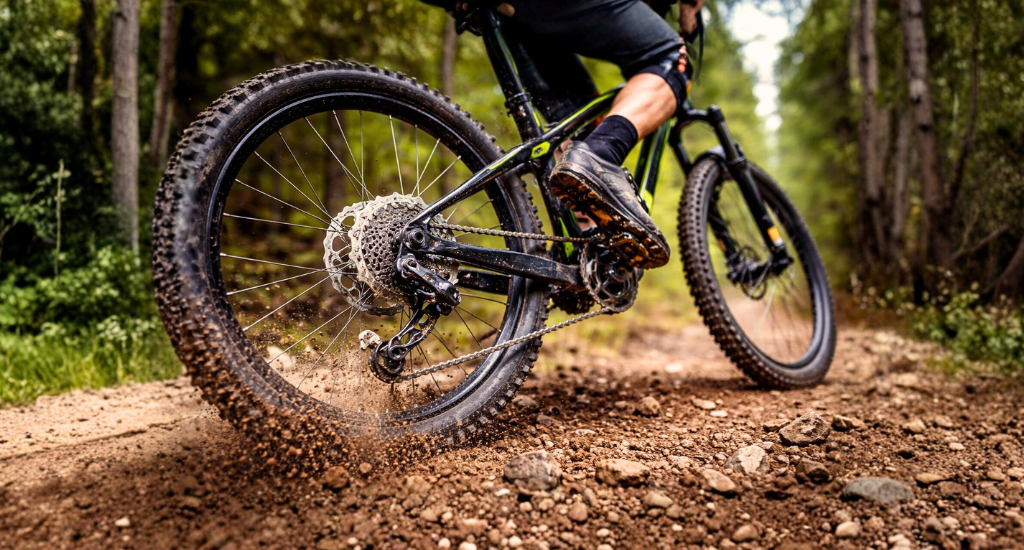
Power feels great, until your bike fights back. Bike chain skipping under load happens when you press hard on the pedals and the chain slips instead of gripping the gear. This often shows up while climbing hills, sprinting, or riding in higher gears. The pedals may jerk forward. The chain may jump to another cog without warning.
The main cause is simple. The chain and cassette wear out together over time. A worn chain cannot sit tight on worn teeth. Small issues like poor gear indexing or dry links can also add to the problem.
This guide will help you check the real cause step by step. You will learn clear fixes that work and know when parts need replacement. Keep reading and fix it with confidence.
Key Takeaways: Bike Chain Skipping Under Load
- Bike Chain Skipping Under Load usually means a worn chain and cassette.
- Replace the chain at 0.5% to 0.75% wear. Never reach 1%.
- New chain + old cassette often causes skipping.
- Check indexing, cables, stiff links, and hanger.
- Clean and inspect parts regularly.
Why Is My Bike Chain Skipping Under Load? (Complete Diagnosis Guide)
When your bike slips as you press hard on the pedals, the cause is usually not random. Bike chain skipping under load has clear reasons. This guide breaks them down in simple steps so you can check your bike with confidence.
1. Worn Drivetrain (Most Common Cause)
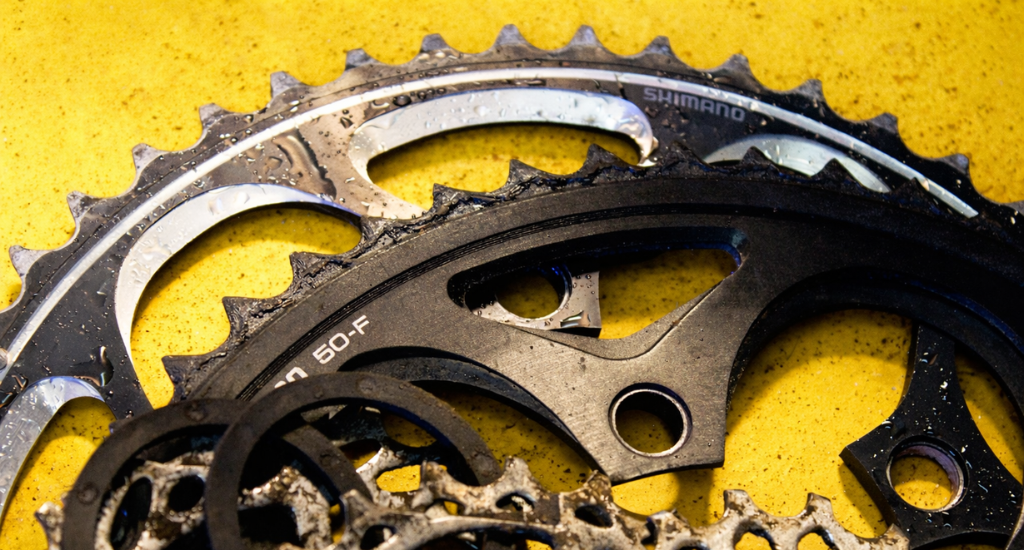
A worn drivetrain is the top reason for chain skipping. The drivetrain means the chain, cassette, and chainrings. These parts work as one system. When they wear out together, the chain cannot grip the teeth well, so it slips under pressure.
How Chains “Stretch” (They Don’t Actually Stretch)
Chains do not truly stretch like rubber. The metal links stay the same length. Wear happens inside at the small pins and rollers.
Over time, tiny gaps grow between these parts. About one percent wear over five inches is already too much. Worn rollers sink deeper between cassette teeth. This poor fit causes skipping when you pedal hard.
Signs Your Chain Is Worn
High gears slip first because they hold less chain on the cog. The chain may slip while climbing a hill. You can check wear with a chain checker tool. For 11 or 12-speed bikes, replace the chain at 0.5 percent wear. For most other bikes, replace it between 0.75 and 1 percent wear to prevent damage.
Worn Cassette or Chainrings
Look closely at the gear teeth. Healthy teeth look even and flat at the top. Worn teeth look sharp or shaped like a shark fin. Skipping may happen only on certain gears. This often starts after you put a new chain on an old cassette.
A new chain on worn teeth will almost certainly skip under load. The fix is simple. Replace the chain and cassette together. If the front chainrings look badly worn, change them too.
2. Incorrect Rear Derailleur Indexing
If the rear derailleur is not set right, the chain cannot sit straight on the cogs. The chain may try to jump between two gears. You may hear light clicking sounds. Skipping can happen in many gears, not just one.
This problem often shows up after a cable stretch or a small fall. The derailleur moves by cable tension. If the tension is off, gear shifts lose accuracy.
How to Adjust Barrel Adjuster
Find the small round barrel adjuster near the rear derailleur or shifter. If the chain skips toward smaller cogs, turn the barrel adjuster clockwise to reduce cable tension. If the chain jumps toward larger cogs, turn it counterclockwise to increase cable tension.
Make small one-quarter turns only. After each turn, pedal hard and test under load. Stop when shifting feels smooth and steady.
3. Stiff or Damaged Chain Links
Sometimes the chain skips in a steady rhythm. It may slip once during each full pedal turn. This points to one stiff or damaged link. Dirt can lock a link in place. Rust can freeze the small parts inside. A tight pin after poor installation can also cause this fault. A damaged quick link may bend and stop smooth movement.
First, clean the chain well with a soft brush and mild degreaser. Wipe it dry and apply fresh chain oil. Move the stiff link side to side with your hands to loosen it. If the link stays tight or bent, replace the chain for safety.
4. Bent Derailleur Hanger
The derailleur hanger is a small metal piece that holds the rear derailleur. It keeps the chain lined up with the cassette. If it bends, shifting becomes erratic. The chain may skip under pressure. You may also see the derailleur sit at a slight angle. This often happens when the bike falls on the drive side.
Fix:
A hanger alignment tool is needed to check and correct the angle. Most riders visit a bike shop for this. If the hanger is badly bent, replacement is the safe choice.
5. Cable Stretch or Tension Problems
Gear cables lose tightness over time. This is very common on new bikes after the first few rides. As the cable settles, tension drops. The derailleur then fails to line up well with the middle cassette gears. This leads to light skipping or slow gear response.
Quick Fix:
Use the barrel adjuster to correct tension. Turn in small steps and test after each change. If the cable feels rough or the problem keeps returning, replace the cable and housing. Fresh cables restore clean shifting.
6. Chain Length Issues (Too Long or Too Short)
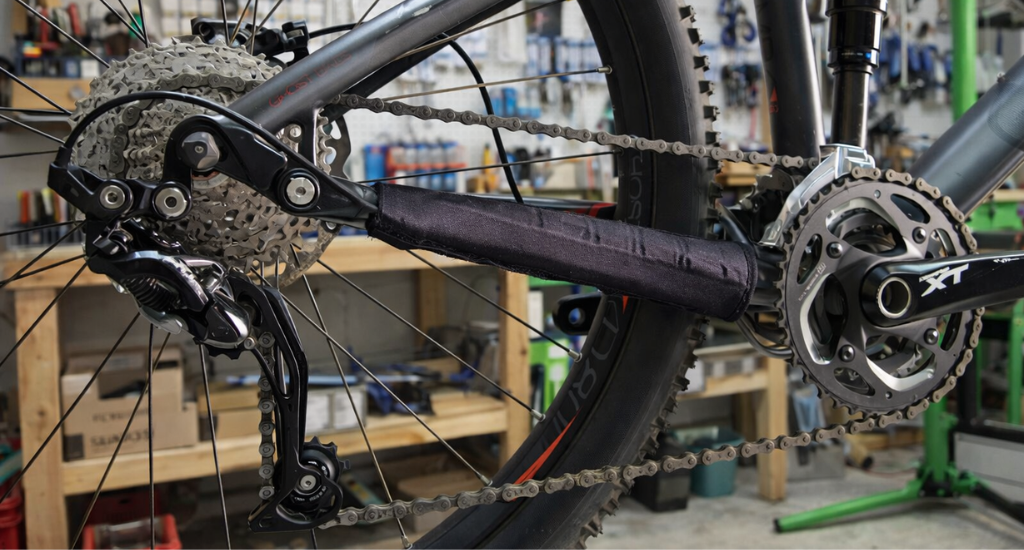
Chain length must match your bike setup. A chain that is too long hangs loose. Slack can cause skipping when you press hard. A chain that is too short puts stress on the drivetrain. This often happens when the old chain was removed before proper measurement.
Check Method:
You should place the chain on the big front ring and the biggest rear cog. Do not route it through the derailleur. Pull both ends tight. Add two full links to that length. This gives a safe and correct size.
Immediate Steps to Fix Chain Skipping (Quick Checklist)
Chain skipping can feel serious, but many cases have simple fixes. Stay calm and check each part step by step. Many skipping issues are solved within five minutes with proper indexing adjustment.
Clean And Lubricate Chain
Dirt blocks smooth chain movement. Wipe the chain with a clean cloth. Use a mild degreaser if needed. Dry it fully. Apply fresh chain oil to each link. A dry or dirty chain often slips under pressure.
Inspect Cassette Teeth For Shark-Fin Wear
Look closely at the cassette teeth. They should look even and flat on top. If teeth appear sharp or curved like a fin, they are worn. Worn teeth cannot hold the chain firmly.
Check Chain Wear With Chain Checker Tool
Use a chain checker tool to measure wear. Place it on the chain and read the scale. If wear reaches 0.5 percent on modern bikes, plan replacement soon. Higher numbers require quick action.
Adjust Barrel Adjuster (¼ Turn Increments)
Locate the barrel adjuster near the rear derailleur or shifter. Turn only one quarter at a time. Test the bike under firm pedal pressure after each turn. Small changes often restore smooth shifting fast.
Inspect Stiff Links
Spin the pedals slowly and watch the chain. If one link moves stiffly or jumps, mark that spot. Flex the link gently side to side. If it stays tight, chain replacement may be necessary.
Check Derailleur Hanger Alignment
Stand behind the bike and check if the derailleur looks straight. A bent hanger shifts the chain out of line. This causes uneven gear contact. A bike shop can measure and correct alignment safely.
Confirm Chain Length
Shift to the largest front ring and largest rear cog. The chain should feel firm but not stretched tight. Too much slack leads to skipping. Excess tightness stresses the drivetrain parts.
Why Does Chain Skipping Happen More in Higher Gears?
Chain skipping often shows up in higher gears first. Many riders notice it only when they pedal hard. The reason is simple: mechanical pressure and how the chain sits on smaller cogs.
Higher gears use smaller rear cogs. Small cogs have fewer teeth. That means fewer teeth hold the chain at one time. When you press hard on the pedals, all your force goes through those few teeth. This creates high pressure on a small contact area.
If the chain or cassette is worn, those teeth cannot hold the chain firmly. The chain climbs over the worn edges and slips forward. This feels like a sudden jerk in the pedals. The problem becomes clear during hill climbs, fast sprints, or strong acceleration in a high gear.
In lower gears, larger cogs have more teeth. More teeth share the load. Pressure spreads out better, so skipping is less common there.
Pay attention to when it happens. Skipping only under load usually points to a worn chain or cassette. Skipping during light pedaling often means poor derailleur indexing or cable tension issues.
When To Replace Chain, Cassette, And Chainrings
Drivetrain parts wear slowly, so the damage is easy to miss. Timely replacement prevents skipping and saves money. Clear limits help you decide before small wear turns into costly gear failure.
Replace Chain At The Right Wear Limit
Use a chain checker tool to measure wear. For 11 or 12-speed bikes, replace the chain at 0.5 percent wear. These systems are narrow and wear faster. For 9 or 10-speed bikes, replace at 0.75 percent wear. Never let the wear reach 1 percent. At that point, the cassette likely suffers damage too.
Replace Cassette When New Chain Skips
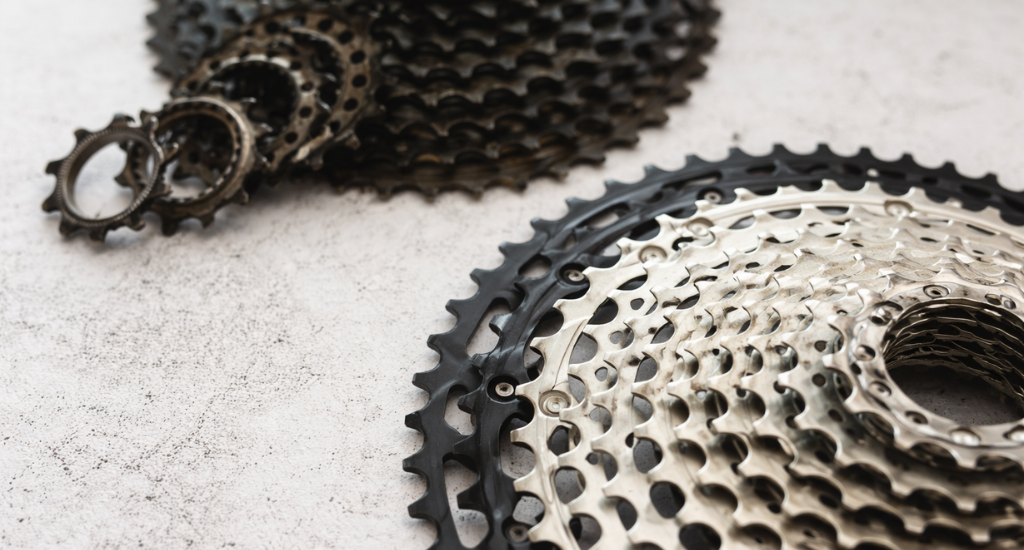
Install a fresh chain and test under firm pedal pressure. If the chain skips, the cassette teeth are worn. Look for sharp or shark-fin-shaped teeth. Worn teeth cannot match a new chain. Replace the cassette to restore proper grip and smooth power transfer.
Replace Chainrings If Front Gears Slip
Front chainrings last longer than chains and cassettes. Still, they wear over time. If skipping happens only in front gears, inspect the teeth. Hooked or pointed teeth signal wear. Replace chainrings if damage is clear.
Conclusion
Most bike chain skipping under load happens because of a worn drivetrain. The chain and cassette wear out together and lose grip. In most cases, replace both at the same time. Smaller issues can also cause skipping, like poor indexing, loose cable tension, or a stiff chain link.
Regular care prevents this problem. Clean and oil the chain often. Replace the chain before wear reaches one percent. Check gear teeth for sharp edges. With proper diagnosis, bike chain skipping under load is usually an easy and permanent fix.


