

One bike is built to conquer dirt, the other to dominate pavement, and the Mountain Bike vs Fixie debate starts right there with purpose, terrain demands, and how much complexity a rider needs.
Mountain bikes prioritize comfort, control, suspension, and gears to handle rough trails, climbs, and unpredictable surfaces, while fixies strip everything down to a direct-drive system built for speed, efficiency, and responsive city riding.
This guide breaks down terrain, weight, maintenance, riding feel, and real-world use cases so you can decide which bike fits your lifestyle, skill level, and daily routes—read on to choose with confidence.
Mountain Bike vs Fixie: Core Differences Explained
Mountain bikes and fixies may look similar at a glance, but they are built for entirely different riding realities. Their differences in terrain use, drivetrain design, comfort, weight, safety, and maintenance directly affect performance and rider experience.
Intended Terrain and Riding Environment
Terrain determines how a bike behaves under pressure, and this is where the difference becomes most obvious. Each bike is optimized for specific surfaces and conditions.
Mountain Bikes
Mountain bikes are designed for dirt, gravel, rocks, roots, steep inclines, and uneven ground. Their frames, wide tires, and suspension systems are built to handle unpredictable and technical trails where traction constantly changes.
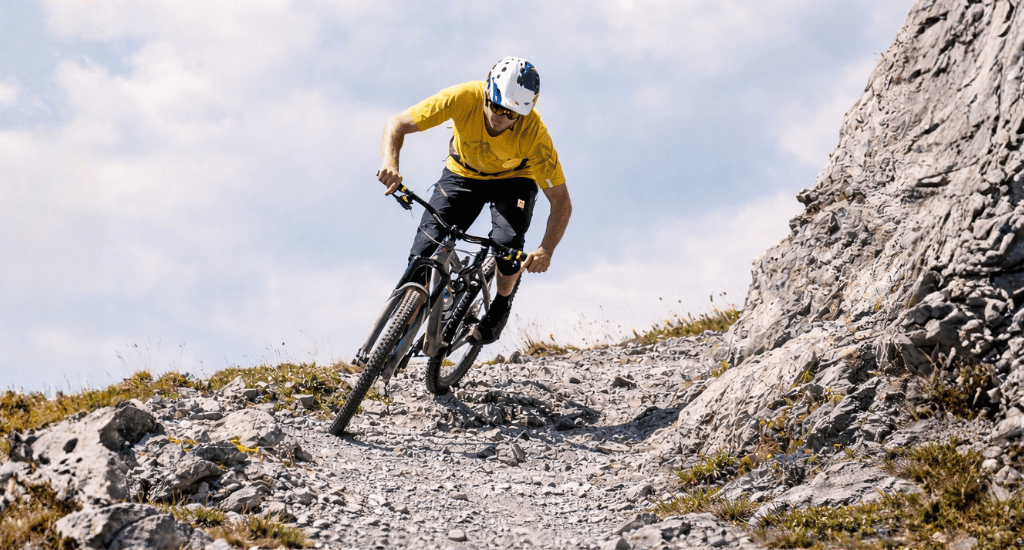
These bikes excel on off-road routes, rough backroads, forest paths, and mixed terrain where stability and control matter more than speed.
Fixies
Fixies are designed for flat, predictable pavement. Smooth city streets, bike lanes, and well-maintained roads allow their rigid frames and narrow tires to perform efficiently. They shine in urban commuting and short-distance rides where constant pedaling and quick acceleration are beneficial.
Drivetrain and Gearing System
The drivetrain defines how power transfers from the rider to the wheels and how adaptable the bike is to changing conditions.
Fixie Drivetrain
A fixie uses a direct-drive rear hub with no freewheel mechanism. The pedals rotate whenever the rear wheel moves, meaning there is no coasting. This creates a constant connection between rider and bike, improving cadence awareness and control.
The simplicity also means fewer mechanical losses and “no time wasted searching for the right gear,” which many riders appreciate in stop-and-go city traffic.
Mountain Bike Drivetrain
Mountain bikes feature multi-speed drivetrains with cassettes, derailleurs, and freehubs. This allows riders to coast, shift gears, and adapt instantly to climbs, descents, and changing terrain.
Lower gears help on steep climbs, while higher gears support speed on flats and downhills, making the system essential for trail riding.
Weight and Component Complexity
Weight reflects how much work a bike is built to handle and how many components support that purpose.
Mountain Bikes
Mountain bikes are heavier due to suspension forks or full-suspension systems, reinforced frames, disc brakes, and complex drivetrains.
These components add durability and control but increase mass. Most mountain bikes weigh approximately 28-35 lbs, depending on materials and design.
Fixies
Fixies follow a minimalist approach. They often lack derailleurs, suspension, and sometimes even brakes. Fewer components reduce weight and mechanical complexity.
Most fixies weigh around 18-22 lbs, making them easy to carry, accelerate, and maneuver in tight spaces.
Comfort, Control, and Riding Feel
Ride quality affects fatigue, confidence, and long-term enjoyment.
Mountain Bikes
Mountain bikes prioritize comfort and stability. Suspension absorbs shocks from uneven terrain, reducing strain on the rider’s body.
Upright geometry improves balance and visibility, while wide handlebars enhance steering control. On rough surfaces, mountain bikes feel forgiving and stable.
Fixies
Fixies deliver a stiff, direct riding feel. Without suspension, every road detail transfers to the rider, creating a high-cadence, connected pedaling experience.
This requires constant attention and leg control. Fixies amplify road feedback, which some riders prefer for responsiveness and awareness.
Braking and Safety Differences
Stopping power becomes critical when conditions change suddenly.
Fixies
Many fixies rely partly or fully on pedal resistance, known as skid stopping. Some include a front brake, while others do not. This setup requires higher skill, anticipation, and concentration, especially in traffic or wet conditions.
Mountain Bikes
Mountain bikes use mechanical or hydraulic disc brakes designed for consistent stopping power. They perform well in mud, rain, and steep descents, offering reliable control and improved safety.
Maintenance and Long-Term Ownership
Maintenance influences cost, time investment, and ride readiness.
Fixies
Fixies are extremely low-maintenance. With fewer moving parts and a straight chain line, upkeep is minimal. Basic chain care, tire checks, and bolt tightening cover most needs. Less complexity also means a quieter, simpler riding experience.
Mountain Bikes
Mountain bikes require regular maintenance, including gear indexing, brake servicing, and suspension tuning. While this increases upkeep, it ensures the bike performs safely and reliably on demanding terrain over time.
When Should You Choose a Mountain Bike?
A mountain bike is the right choice when versatility, comfort, and control matter more than speed or simplicity. It’s built to handle challenging terrain, unpredictable surfaces, and longer rides without sacrificing safety or rider confidence.
Mountain Bikes Are Best If You:
Mountain bikes excel when riding conditions vary, and comfort becomes essential. They are designed to adapt to different surfaces and riding styles, making them a reliable all-purpose option.
- You regularly ride trails, gravel paths, dirt roads, or uneven surfaces where traction and stability are critical.
- Your commute includes rough pavement, potholes, hills, or unpredictable road conditions.
- You prioritize comfort over long distances, especially on imperfect terrain.
- You want one bike that can go almost anywhere, from city streets to off-road paths.
- You value control and confidence more than lightweight speed.
Beginner Considerations
For new riders, mountain bikes offer a forgiving learning curve despite their size. Their design helps reduce mistakes while building confidence and riding skills.
- The heavier feel can take time to adjust to, especially when accelerating or climbing.
- A higher upfront cost is common for decent-quality models due to suspension and components.
- More forgiving handling helps with balance, braking errors, and sudden obstacles.
- Strong brakes and stable geometry make them safer for riders still developing control.
If you’re starting out and want flexibility without constant worry about road conditions, a mountain bike offers reassurance and adaptability.
When Does a Fixie Make More Sense?
A fixie becomes the smarter choice when simplicity, efficiency, and urban performance outweigh the need for versatility. It’s designed for riders who value direct control, low maintenance, and fast movement through predictable city environments.
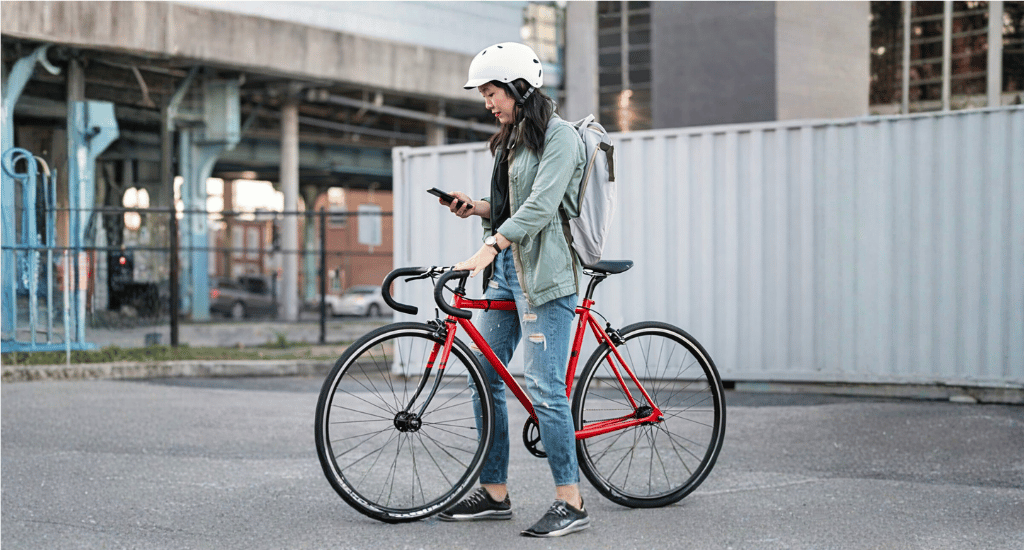
Fixies Are Ideal If You:
Fixies perform best in controlled, urban settings where smooth roads and short distances allow their minimalist design to shine without compromising safety or comfort.
- You live in a flat city with minimal elevation changes.
- You want a lightweight bike (18-22 lbs) for quick acceleration and easy carrying.
- You prefer simple mechanics and low maintenance over complex systems.
- You commute short to medium distances on predictable pavement.
- You enjoy a more direct, connected riding experience where pedaling never stops.
Why Riders Prefer Fixies
Many fixie riders choose this setup not just for transportation, but for the unique riding feel and physical benefits it offers.
- Improved pedaling efficiency due to a direct-drive system.
- Increased fitness from constant pedaling and cadence control.
- Clean, minimalist design aesthetic with fewer visible components.
- Quiet drivetrain improves road awareness and rider focus.
- Fewer parts mean less distraction and a stronger rider-to-bike connection.
End Note
Choosing between a mountain bike and a fixie ultimately depends on where and how you ride. Mountain bikes offer comfort, control, and versatility for rough terrain and unpredictable conditions, while fixies deliver simplicity, efficiency, and a direct riding feel for flat urban environments.
Neither bike is universally better; each excels in its intended setting. By understanding terrain, maintenance, comfort, and skill requirements, you can confidently choose the bike that fits your lifestyle, riding goals, and daily routes best.


